
-
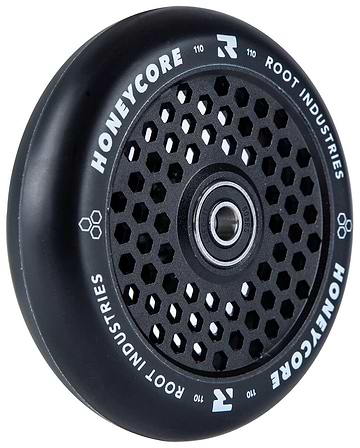
Root Industries Honeycore 110mm Stunt Scooter Wheel - Black / Black
Save 6%Regular price £29.95Regular priceUnit price / per£31.95Sale price £29.95Sale -
Root Industries Honeycore 110mm Stunt Scooter Wheel - Black / Blue
Save 6%Regular price £29.95Regular priceUnit price / per£31.95Sale price £29.95Sale -
 SALE Save 20%
Chubby 110mm Hollowcore Stunt Scooter Wheel - Ice Cream
Save 20% SALERegular price £22.45Regular priceUnit price / per£27.95Sale price £22.45Sale -
Chubby 110mm Hollowcore Stunt Scooter Wheel - Marshmallow
Save 19% SALERegular price £22.75Regular priceUnit price / per£27.95Sale price £22.75Sale -
Root Industries Honeycore 110mm Stunt Scooter Wheel - Black / Purple
Regular price £31.95Regular priceUnit price / per£31.95Sale price £31.95 -
Chubby Doughnut 110mm Hollowcore Stunt Scooter Wheel - Classic Doughnut
Save 20% SALERegular price £22.45Regular priceUnit price / per£27.95Sale price £22.45Sale -
Root Industries Lotus 110mm Scooter Wheel - Black
Save 8%Regular price £27.45Regular priceUnit price / per£29.95Sale price £27.45Sale -
Chubby Doughnut 110mm Hollowcore Stunt Scooter Wheel - Oreo Blue
Save 20% SALERegular price £22.45Regular priceUnit price / per£27.95Sale price £22.45Sale -
Root Industries Honeycore 110mm Stunt Scooter Wheel - Black / Red
Regular price £31.95Regular priceUnit price / per£31.95Sale price £31.95 -
Root Industries Honeycore 120mm Stunt Scooter Wheel - Black / Black
Save 14% SALERegular price £29.95Regular priceUnit price / per£34.95Sale price £29.95Sale -
Root Industries Honeycore 110mm Stunt Scooter Wheel - Black / Rocket Fuel Neochrome
Save 6%Regular price £29.95Regular priceUnit price / per£31.95Sale price £29.95Sale -
Chubby Doughnut 110mm Hollowcore Stunt Scooter Wheel - Oreo White
Save 20% SALERegular price £22.45Regular priceUnit price / per£27.95Sale price £22.45Sale -
Root Industries Lotus 110mm Scooter Wheel - Radiant Pink
Regular price £29.95Regular priceUnit price / per£29.95Sale price £29.95 -
Root Industries Lotus 110mm Scooter Wheel - Radiant Blue
Regular price £29.95Regular priceUnit price / per£29.95Sale price £29.95 -
CORE Hollow Core V2 110mm Stunt Scooter Wheel - Black
Save 6%Regular price £29.95Regular priceUnit price / per£31.95Sale price £29.95Sale -
Root Industries Honeycore 110mm Stunt Scooter Wheel - Black / Green
Save 8%Regular price £29.45Regular priceUnit price / per£31.95Sale price £29.45Sale -
CORE Hollow Core V2 110mm Stunt Scooter Wheel - Mint Blue
Save 8%Regular price £29.45Regular priceUnit price / per£31.95Sale price £29.45Sale -
Root Industries Honeycore 110mm Stunt Scooter Wheel - White / Mirror Chrome
Save 6%Regular price £29.95Regular priceUnit price / per£31.95Sale price £29.95Sale -
Root Industries Lotus 110mm Scooter Wheel - Neochrome Rocket Fuel
Regular price £29.95Regular priceUnit price / per£29.95Sale price £29.95 -
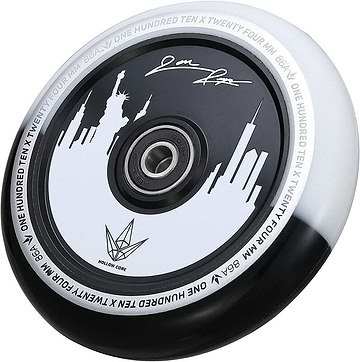
Blunt Envy 110mm Jon Reyes Signature Hollow Core Stunt Scooter Wheel - Black / White
Save 22% SALERegular price £24.95Regular priceUnit price / per£31.95Sale price £24.95Sale -
 SALE Save 24%
Revolution Hollowcore 110mm Stunt Scooter Wheel - Black
Save 24% SALERegular price £18.95Regular priceUnit price / per£24.95Sale price £18.95Sale -
Root Industries Lotus 110mm Stunt Scooter Wheel - Glow / Pink
Save 10%Regular price £26.95Regular priceUnit price / per£29.95Sale price £26.95Sale -
 SALE Save 23%
CORE Hollow Core V2 110mm Stunt Scooter Wheel - Red
Save 23% SALERegular price £24.45Regular priceUnit price / per£31.95Sale price £24.45Sale -
Chubby Hollowcore 110mm Stunt Scooter Wheel - Devil Doughnut
Save 14%Regular price £23.95Regular priceUnit price / per£27.95Sale price £23.95Sale -
 SALE Save 23%
CORE Hollow Core V2 110mm Stunt Scooter Wheel - Blue
Save 23% SALERegular price £24.45Regular priceUnit price / per£31.95Sale price £24.45Sale -
CORE Hollow Core V2 110mm Stunt Scooter Wheel - Pink / Blue
Save 17%Regular price £26.55Regular priceUnit price / per£31.95Sale price £26.55Sale -
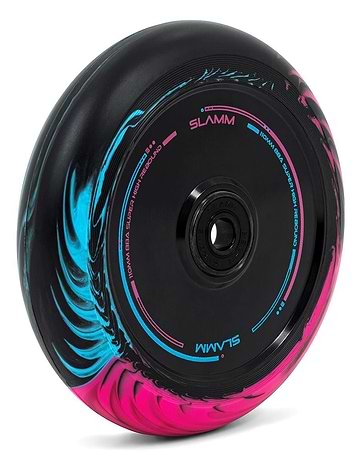
Slamm Swirl 110mm Stunt Scooter Wheel - Black / Blue / Pink
Save 20%Regular price £19.95Regular priceUnit price / per£24.95Sale price £19.95Sale -
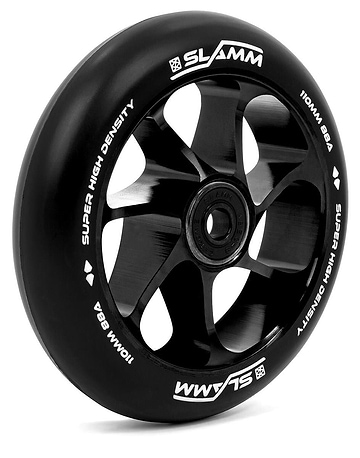
Slamm Team 110mm Stunt Scooter Wheel - Black
Regular price £15.95Regular priceUnit price / per£15.95Sale price £15.95 -
Root Industries Honeycore 110mm Stunt Scooter Wheel - White / Gold
Save 6%Regular price £29.95Regular priceUnit price / per£31.95Sale price £29.95Sale -
Root Industries Lotus 110mm Scooter Wheel - Blu Ray / Black
Regular price £29.95Regular priceUnit price / per£29.95Sale price £29.95 -
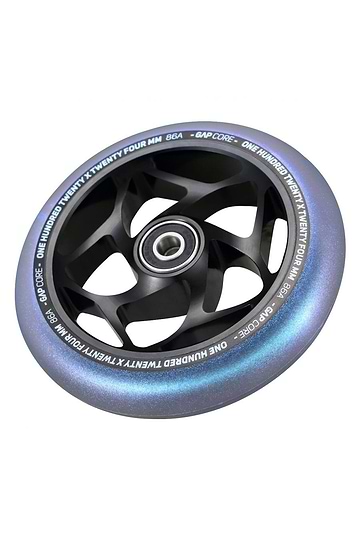
Blunt Envy 120mm GAP Core Stunt Scooter Wheel - Black / Galaxy
Save 63% SALERegular price £10.95Regular priceUnit price / per£29.95Sale price £10.95Sale -
Root Industries Honeycore 120mm Stunt Scooter Wheel - Black / Mirror Chrome
SALERegular price £34.95Regular priceUnit price / per£34.95Sale price £34.95 -
Chubby Hollowcore 110mm Stunt Scooter Wheel - Skull Pizza
Save 29% SALERegular price £19.95Regular priceUnit price / per£27.95Sale price £19.95Sale -
Revolution Hollowcore 110mm Stunt Scooter Wheel - Neochrome
Save 16% SALERegular price £20.95Regular priceUnit price / per£24.95Sale price £20.95Sale -
Root Industries Honeycore 110mm Stunt Scooter Wheel - White / Rocket Fuel Neochrome
Save 6%Regular price £29.95Regular priceUnit price / per£31.95Sale price £29.95Sale -
CORE Hollow Core V2 110mm Stunt Scooter Wheel - Purple
Save 8%Regular price £29.45Regular priceUnit price / per£31.95Sale price £29.45Sale -
 SALE Save 20%
Dare Motion 110mm Stunt Scooter Wheel - Neochrome
Save 20% SALERegular price £15.95Regular priceUnit price / per£19.95Sale price £15.95Sale -
Root Industries Honeycore 120mm Stunt Scooter Wheel - Black / Rocket Fuel Neochrome
SALERegular price £34.95Regular priceUnit price / per£34.95Sale price £34.95 -
Blunt Envy 120mm Jon Reyes Signature Hollow Core Stunt Scooter Wheel - Black / Teal
Save 42% SALERegular price £20.95Regular priceUnit price / per£35.95Sale price £20.95Sale -
Root Industries Lotus 110mm Scooter Wheel - Radiant Orange
Save 25% SALERegular price £22.45Regular priceUnit price / per£29.95Sale price £22.45Sale -
Root Industries AIR Hollowcore 110mm Stunt Scooter Wheel - Black / Black
Save 28% SALERegular price £22.95Regular priceUnit price / per£31.95Sale price £22.95Sale -
Root Industries Lotus 110mm Scooter Wheel - Radiant Green
Save 7%Regular price £27.95Regular priceUnit price / per£29.95Sale price £27.95Sale -
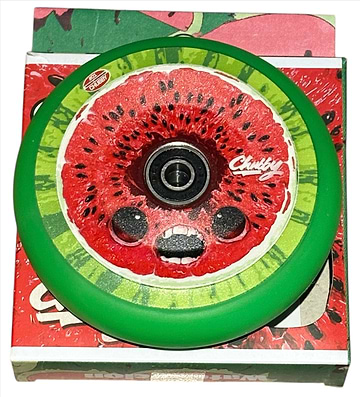
Chubby Hollowcore 110mm Stunt Scooter Wheel - Watermelon
Save 18%Regular price £22.95Regular priceUnit price / per£27.95Sale price £22.95Sale -

 SALE Save 12%
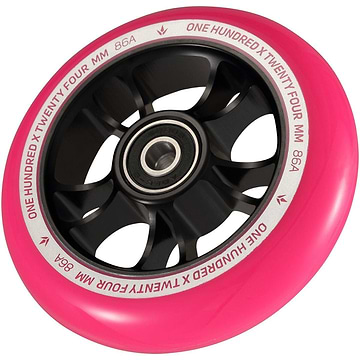
Blunt Envy 100mm Stunt Scooter Wheel - Black / Pink
Save 12% SALERegular price £14.95Regular priceUnit price / per£16.95Sale price £14.95Sale










Why buy Stunt Scooter Wheels?
What does wheel width mean?
Standard wheels are 24 mm wide, while wide wheels (28–30 mm) provide more contact and stability. Wide wheels suit street and downhill riding, but require compatible forks and decks.
How do cores affect wheels?
Cores support the urethane and come in spoked, hollow or full core designs. Hollow cores reduce weight; full cores maximise strength. Metal cores resist deformation during heavy landings.
What is wheel durometer?
Durometer measures urethane hardness (typically 85A–92A). Softer wheels (85A–88A) absorb shock and grip surfaces; harder wheels (88A–92A) roll faster and last longer, ideal for street conditions.
Do wheels come with bearings?
Many wheels include pre‑installed ABEC‑rated or branded bearings and spacers. Check the product description. If bearings aren’t included, you’ll need to install your own.
How often should I rotate wheels?
Rotate wheels every few weeks to avoid uneven wear. Swap front and back wheels and flip them to distribute wear across the urethane evenly.
Can I mix wheel sizes?
You can, but it affects handling. For example, a 110 mm wheel in front and a 120 mm in back may change the scooter’s balance. Most riders keep wheel sizes consistent to maintain predictable handling.
How do I install wheels?
Remove the axle bolt, slide out the old wheel, insert the new wheel with bearings and spacers aligned, and tighten the bolt. Avoid overtightening, which can crush bearings.
What does wheel width mean?
What does wheel width mean?
Standard wheels are 24 mm wide, while wide wheels (28–30 mm) provide more contact and stability. Wide wheels suit street and downhill riding, but require compatible forks and decks.
How do cores affect wheels?
How do cores affect wheels?
Cores support the urethane and come in spoked, hollow or full core designs. Hollow cores reduce weight; full cores maximise strength. Metal cores resist deformation during heavy landings.
What is wheel durometer?
What is wheel durometer?
Durometer measures urethane hardness (typically 85A–92A). Softer wheels (85A–88A) absorb shock and grip surfaces; harder wheels (88A–92A) roll faster and last longer, ideal for street conditions.
Do wheels come with bearings?
Do wheels come with bearings?
Many wheels include pre‑installed ABEC‑rated or branded bearings and spacers. Check the product description. If bearings aren’t included, you’ll need to install your own.
How often should I rotate wheels?
How often should I rotate wheels?
Rotate wheels every few weeks to avoid uneven wear. Swap front and back wheels and flip them to distribute wear across the urethane evenly.
Can I mix wheel sizes?
Can I mix wheel sizes?
You can, but it affects handling. For example, a 110 mm wheel in front and a 120 mm in back may change the scooter’s balance. Most riders keep wheel sizes consistent to maintain predictable handling.
How do I install wheels?
How do I install wheels?
Remove the axle bolt, slide out the old wheel, insert the new wheel with bearings and spacers aligned, and tighten the bolt. Avoid overtightening, which can crush bearings.


