
-
Supreme Del Rey Adjustable Quad Roller Skates - Black
Regular price £89.95Regular priceUnit price / per£89.95Sale price £89.95 -
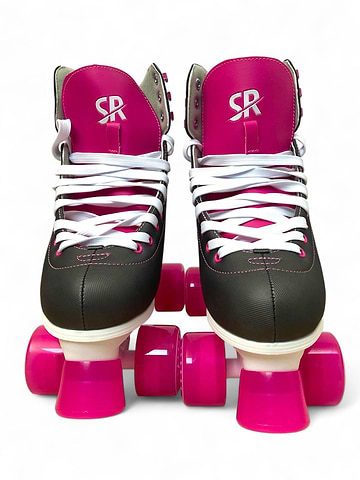
Supreme Malibu Quad Roller Skates - Black / Pink
Save 13%Regular price £59.95Regular priceUnit price / per£68.95Sale price £59.95Sale -
CREAM Scoop Vivid Adjustable Quad Roller Skates - Black / Blue
Regular price £50.00Regular priceUnit price / per£50.00Sale price £50.00 -
CREAM Scoop Hearts Adjustable Quad Roller Skates - Pink / Teal
Regular price £50.00Regular priceUnit price / per£50.00Sale price £50.00 -
CREAM Scoop Vivid Adjustable Quad Roller Skates - Black / Pink
Regular price £50.00Regular priceUnit price / per£50.00Sale price £50.00 -
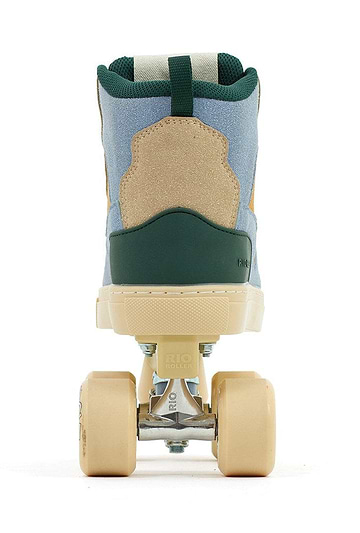
Rio Roller Beats Quad Roller Skates - Blue / Tan
Regular price £99.95Regular priceUnit price / per£99.95Sale price £99.95 -
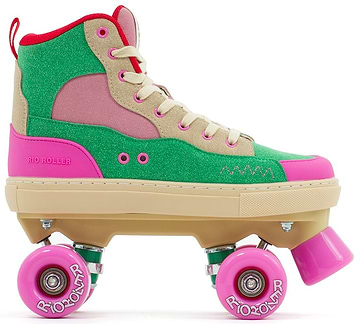
Rio Roller Beats Quad Roller Skates - Pink / Green
Regular price £99.95Regular priceUnit price / per£99.95Sale price £99.95 -
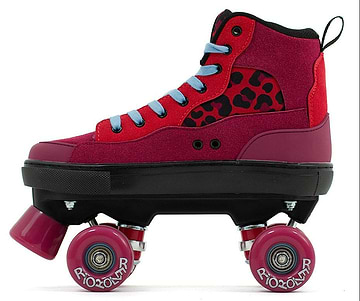
Rio Roller Beats Quad Roller Skates - Red / Leopard
Regular price £99.95Regular priceUnit price / per£99.95Sale price £99.95 -

 UK 2UK 3UK 4UK 5UK 6UK 7UK 7.5UK 8.5UK 9.5UK 10UK 11UK 11.5
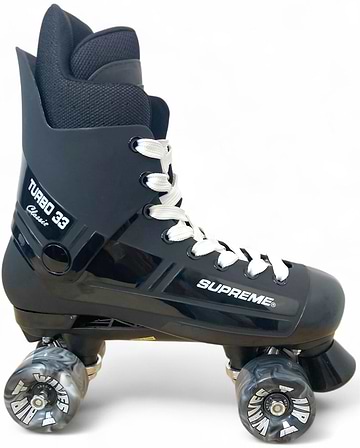
Supreme Turbo 33 Nylon Quad Roller Skates - Black / Black Swirl Wheels
Regular price £169.95Regular priceUnit price / per£169.95Sale price £169.95 -

 UK 2UK 3UK 4UK 5UK 6UK 7UK 7.5UK 8.5UK 9.5UK 10UK 11UK 11.5
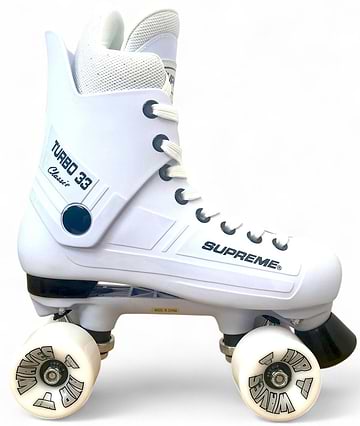
Supreme Turbo 33 Nylon Quad Roller Skates - White / White Wheels
Regular price £169.95Regular priceUnit price / per£169.95Sale price £169.95 -

 UK 2UK 3UK 4UK 5UK 6UK 7UK 7.5UK 8.5UK 9.5UK 10UK 11UK 11.5
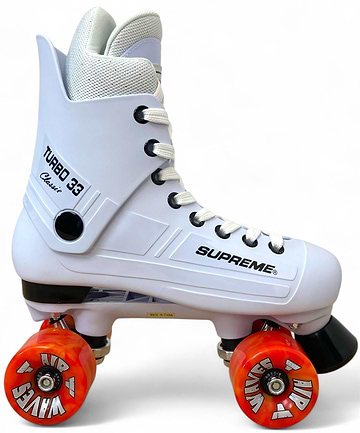
Supreme Turbo 33 Nylon Quad Roller Skates - White / Red Swirl Wheels
Regular price £169.95Regular priceUnit price / per£169.95Sale price £169.95 -

 UK 2UK 3UK 4UK 5UK 6UK 7UK 7.5UK 8.5UK 9.5UK 10UK 11UK 11.5
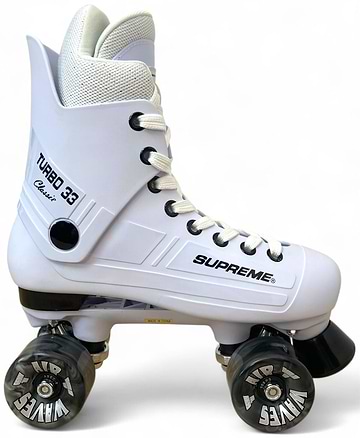
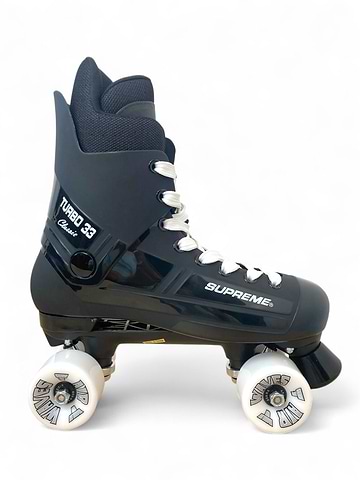
Supreme Turbo 33 Nylon Quad Roller Skates - White / Black Swirl Wheels
Regular price £169.95Regular priceUnit price / per£169.95Sale price £169.95 -

 UK 2UK 3UK 4UK 5UK 6UK 7UK 7.5UK 8.5UK 9.5UK 10UK 11UK 11.5
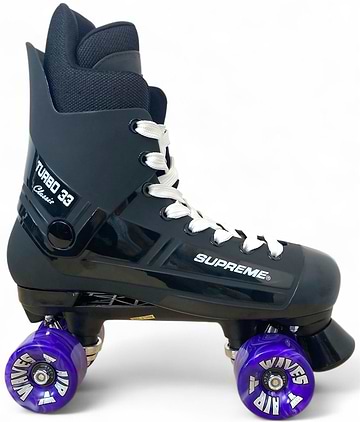
Supreme Turbo 33 Nylon Quad Roller Skates - Black / White Wheels
Regular price £169.95Regular priceUnit price / per£169.95Sale price £169.95 -

 UK 2UK 3UK 4UK 5UK 6UK 7UK 7.5UK 8.5UK 9.5UK 10UK 11UK 11.5
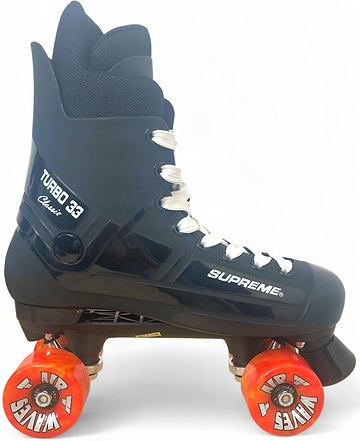
Supreme Turbo 33 Nylon Quad Roller Skates - Black / Purple Swirl Wheels
Regular price £169.95Regular priceUnit price / per£169.95Sale price £169.95 -

 UK 2UK 3UK 4UK 5UK 6UK 7UK 7.5UK 8.5UK 9.5UK 10UK 11UK 11.5
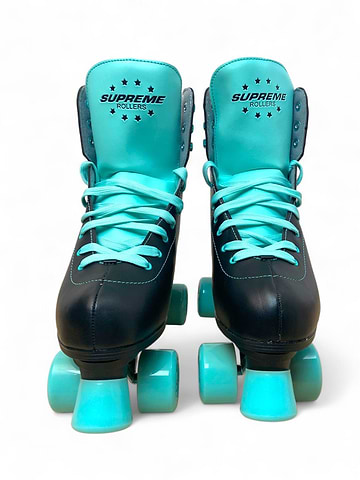
Supreme Turbo 33 Nylon Quad Roller Skates - Black / Red Swirl Wheels
Regular price £169.95Regular priceUnit price / per£169.95Sale price £169.95






Why buy Adult Quad Roller Skates?
Which material is best—leather or synthetic?
Leather offers superior support and molds to your foot over time, providing a custom fit. Synthetic materials are lighter, easier to clean and generally more affordable. Choose leather if you skate frequently or at a high level; choose synthetic for light recreational use.
How do I choose the right wheels?
Soft wheels (78A–85A) grip outdoor surfaces, while hard wheels (88A–101A) slide easily on indoor floors. Wheel diameter also matters: larger wheels (62–65 mm) roll faster and handle cracks better; smaller wheels (57–60 mm) accelerate quickly and improve manoeuvrability.
Do I need adjustable toe stops?
Adjustable toe stops let you fine-tune stopping height. Beginners often benefit from a lower toe stop, making braking easier. Experienced skaters may prefer smaller stops or toe plugs for dance moves.
What plate material should I choose?
Nylon plates are lightweight and flexible, great for beginners and fitness skaters. Aluminium plates are rigid and transfer energy efficiently—perfect for derby or dance. Some high-end plates use magnesium or carbon fibre for high performance.
How do I size adult skates?
Measure the length of your foot and refer to the brand’s size chart. Some brands run larger or smaller than street shoe sizes. Ensure a snug fit with enough toe room to wiggle; too loose skates cause blisters, while too tight skates cramp your toes.
Are adult skates expensive?
Prices vary widely. Entry-level skates cost less but may offer fewer features. Premium skates cost more due to better materials and craftsmanship. Investing in quality skates pays off in comfort, durability and performance.
How should I maintain them?
Dry boots and plates after use, clean bearings and wheels, rotate wheels to even wear and replace toe stops and laces when worn. A well-maintained skate provides safe, consistent performance.
Which material is best—leather or synthetic?
Which material is best—leather or synthetic?
Leather offers superior support and molds to your foot over time, providing a custom fit. Synthetic materials are lighter, easier to clean and generally more affordable. Choose leather if you skate frequently or at a high level; choose synthetic for light recreational use.
How do I choose the right wheels?
How do I choose the right wheels?
Soft wheels (78A–85A) grip outdoor surfaces, while hard wheels (88A–101A) slide easily on indoor floors. Wheel diameter also matters: larger wheels (62–65 mm) roll faster and handle cracks better; smaller wheels (57–60 mm) accelerate quickly and improve manoeuvrability.
Do I need adjustable toe stops?
Do I need adjustable toe stops?
Adjustable toe stops let you fine-tune stopping height. Beginners often benefit from a lower toe stop, making braking easier. Experienced skaters may prefer smaller stops or toe plugs for dance moves.
What plate material should I choose?
What plate material should I choose?
Nylon plates are lightweight and flexible, great for beginners and fitness skaters. Aluminium plates are rigid and transfer energy efficiently—perfect for derby or dance. Some high-end plates use magnesium or carbon fibre for high performance.
How do I size adult skates?
How do I size adult skates?
Measure the length of your foot and refer to the brand’s size chart. Some brands run larger or smaller than street shoe sizes. Ensure a snug fit with enough toe room to wiggle; too loose skates cause blisters, while too tight skates cramp your toes.
Are adult skates expensive?
Are adult skates expensive?
Prices vary widely. Entry-level skates cost less but may offer fewer features. Premium skates cost more due to better materials and craftsmanship. Investing in quality skates pays off in comfort, durability and performance.
How should I maintain them?
How should I maintain them?
Dry boots and plates after use, clean bearings and wheels, rotate wheels to even wear and replace toe stops and laces when worn. A well-maintained skate provides safe, consistent performance.


