
Pogo Stick Buying Guide - How to Choose the Right Pogo Stick for Your Child or Teen
If you're looking for an outdoor toy that’s active, fun and endlessly entertaining, a pogo stick might be just the thing. Whether your child is just discovering bouncing toys or you’re shopping for a teenager ready for more of a challenge, choosing the right pogo stick is important for both safety and enjoyment.
In this guide, we’ll walk you through everything you need to know before buying — from age suitability to key features, safety tips and our top product recommendations.
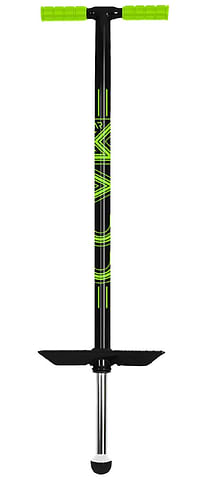
Why Buy a Pogo Stick?
The Benefits of Pogo Sticks for Kids and Teens
Pogo sticks have been around for decades, but they’ve come a long way since their early designs. Today, they offer a brilliant way for children and teens to stay active while building a wide range of physical skills. Regular use can help improve balance, coordination, core strength and stamina — all without feeling like hard work.
A Fun Alternative to Screens and Indoor Play
With so much time spent indoors and on screens, finding toys that encourage outdoor movement is a win for both kids and parents. A pogo stick offers a healthy, screen-free outlet for energy, helping to boost physical fitness and mood while keeping children entertained for hours.
What Age Are Pogo Sticks Suitable For?
Choosing a pogo stick that’s right for your child’s age and size is essential for both safety and performance. Here’s a rough guide based on age groups:
Ages 5–7
At this stage, look for beginner-friendly pogo sticks with lower bounce resistance, smaller frames, and soft, comfortable handles. These models are designed to help build confidence without being too powerful for younger users.
Ages 8–12
Children in this group can handle slightly larger pogo sticks with stronger springs and more bounce. Look for models with reinforced foot pegs and wider handlebars for extra stability.
Teenagers (13+)
Teen pogo sticks are built for older children who are stronger, more coordinated, and able to control more advanced equipment. These models are usually taller, with higher bounce potential and durable construction. However, they are still recreational — not designed for stunts or extreme sports.
Tip: Always check the manufacturer’s weight and height recommendations. A child’s age is a good starting point, but size and strength also matter.
How to Choose the Right Pogo Stick
With so many options available, it’s worth understanding the key features to look out for when choosing a pogo stick:
Weight and Height Compatibility
Each pogo stick is designed to work best within a certain weight range. Too light, and your child may struggle to compress the spring. Too heavy, and it may bottom out or wear out faster.
Spring Type and Bounce Resistance
Most beginner pogo sticks use a concealed metal spring to generate bounce. The stiffness of the spring affects how much energy is needed to jump — softer springs are easier for younger users, while firmer springs are better for older children and teens.
Handlebar Design and Grip
Look for handlebars with a comfortable, non-slip grip to help your child keep control while jumping. Foam or rubber grips are ideal for absorbing vibration and preventing blisters.
Foot Pegs and Non-Slip Surfaces
A stable foot platform with anti-slip features adds an extra layer of safety. Make sure the pegs are wide enough to accommodate growing feet.
Indoor vs Outdoor Use
Most pogo sticks are designed for outdoor use, ideally on flat, hard surfaces like tarmac or concrete. Using them indoors can cause damage to floors and furniture unless explicitly stated as indoor-safe.
Safety Tips for Using a Pogo Stick
Like any active toy, safety comes first. Here’s how to keep things fun and accident-free:
Use Safety Gear
A helmet is a must — especially for beginners. We also recommend knee and elbow pads to reduce the risk of scrapes or knocks during falls.
Choose the Right Practice Area
Start on a flat, hard surface away from traffic, pets or obstacles. Avoid grass or uneven ground, as it can cause instability.
Supervise Younger Users
Children under 10 should be supervised while they’re learning. Set realistic expectations and allow time for them to build confidence at their own pace.
Maintenance & Care Tips
To keep your pogo stick performing at its best:
-
Check it regularly – Look out for loose parts, worn grips or squeaky springs.
-
Clean it properly – Wipe down the handles and foot pegs after use, especially if used on wet or muddy surfaces.
-
Store it indoors – Prolong the life of your pogo stick by storing it somewhere dry, away from the elements.
Frequently Asked Questions
At what age can my child start using a pogo stick?
Most children can start using beginner pogo sticks from age five, provided they meet the minimum weight requirement and are supervised.
Are pogo sticks safe for young children?
Yes — as long as the right size is chosen and proper safety gear is worn. Start with models designed specifically for younger users.
Can pogo sticks be used indoors?
In general, no. Most are intended for outdoor use due to the impact and bounce. Only use indoors if the product is marked safe for indoor surfaces.
How high can you jump on a beginner pogo stick?
Beginner sticks are designed for control rather than height. Expect a small bounce (a few inches) until skill and confidence improve.
Ready to Choose? Browse Our Full Range
Whether you're buying for a five-year-old or a teenager, our range of pogo sticks offers something for every age and ability level. Each model is carefully selected for safety, durability and fun — so you can shop with confidence.


