
Scooter Handlebars Buying Guide
Choosing the right handlebars can greatly improve your stunt scooter experience. Whether you're replacing old bars, upgrading, or customising your scooter, handlebars play a crucial role in your riding performance and comfort.
This guide covers everything you need to know, including bar sizes, materials, compatibility, and fitting advice, helping you make the best choice possible.
Why Upgrade Your Scooter Bars?
Upgrading scooter bars can:
- Improve strength and durability for tricks
- Reduce overall scooter weight
- Offer a better fit and more comfort
- Personalise your scooter's appearance and style
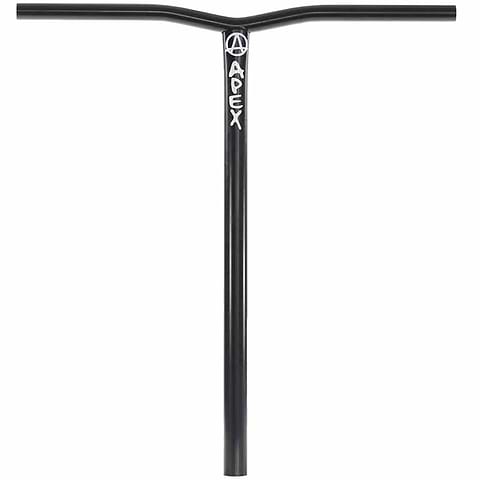
Scooter Bar Sizes and Dimensions
Bar Height
Ideally, your handlebars should be between your hips and belly button when standing on your scooter deck. For beginners or those uncertain about sizing, opt for slightly taller bars, as they're easier to control.
Bar Width
Handlebar width should roughly match your shoulder width plus a couple of centimetres for comfort. Wider bars offer stability, while narrower bars help with spins and tricks.
Diameter: Standard vs Oversized
- Standard bars: 32mm outer diameter. Suitable for most scooters and lighter setups.
- Oversized bars: 35mm outer diameter. More robust and ideal for heavier riders or more aggressive riding styles.
Always check compatibility with your compression system.
Scooter Bar Materials: Which is Best?
Choosing the right material depends on your riding style, weight, and budget.
Steel (Chromoly) Bars
Steel bars are durable, affordable, and perfect for heavy street riding.
- Pros: Extremely strong, affordable, widely available
- Cons: Heavier, may limit aerial trick performance
Aluminium Bars
Aluminium bars are ideal for riders looking for reduced weight and agility, particularly suited to park riders.
- Pros: Lightweight, agile, responsive for tricks
- Cons: Less durable, can bend under heavy impacts
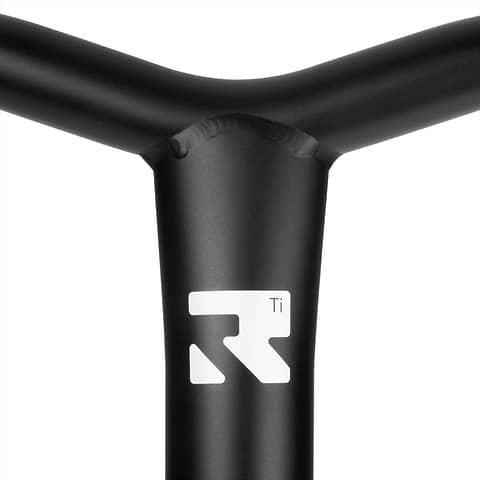
Titanium Scooter Bars
Titanium bars offer the ultimate balance of strength and weight and are popular among professionals.
- Pros: Excellent strength-to-weight ratio, highly durable, professional-grade performance
- Cons: More expensive, stiffness can feel unusual for beginners, potential to snap under extreme stress rather than bend
Material Comparison
|
Material |
Weight |
Strength |
Cost |
Recommended Riders |
|
Steel |
Heavy |
Very High |
Low |
Beginners, street riders |
|
Aluminium |
Very Light |
Moderate |
Moderate |
Younger riders, park enthusiasts |
|
Titanium |
Ultra Light |
Very High |
High |
Advanced riders, professionals |
Bar Shapes and Styles
- T-Bars: Simple and robust, popular among street riders.
- Y-Bars: Extra reinforcement, ideal for mid-range setups.
- BMX Bars: Curved design increases strength.
- Batwing Bars: High-end hybrid bars combining strength and style.
Popular Scooter Bar Brands
Different brands are known for different bar styles and compression standards:
- Ethic DTC: the Tenacity, Dryade and Wolpertinger bars are popular lightweight aluminium and steel options.
- Core: dependable bars (including the SL2) offering great value.
- Apex: the Bol bars are a long-standing favourite for their strength and clean look.
- Envy (Blunt Envy): Union bars are a go-to for park riders.
Whichever brand you choose, always match the bars to your compression system (SCS / HIC / IHC / ICS) — see the compatibility section below.
Compression System Compatibility
Different bars suit different compression systems:
- SCS: Requires bars without a slit
- HIC: Requires bars with a slit
- IHC: Requires bars with a slit
- ICS: Requires bars with slit and internal star nut
Always double-check your scooter's current compression system before buying.
Choosing the Right Scooter Bars
Select handlebars according to your:
- Age and physical size
- Skill level
- Riding style (park, street, mixed)
Fitting and Adjusting Your Scooter Bars
When fitting bars:
- Check compatibility with your compression system
- Ensure bar height is comfortable; trim if necessary
- Align bars with the scooter’s front wheel before tightening clamps
- Tighten clamps evenly and gradually to secure bars safely
FAQs
Are titanium scooter bars worth the extra cost? Yes, if you're an advanced rider looking for optimal performance and weight reduction.
What are the lightest scooter bars? Titanium bars are the lightest, offering an ultra-light weight with very high strength, which is why professionals favour them. Aluminium bars are the next lightest and a more affordable option for park riders, while steel bars are the heaviest but the toughest. You can compare all three in the material table above.
Can different scooter brands be mixed? Generally, yes, but always check compatibility with your scooter’s compression system.
What bar size is best for kids? Bars reaching between their hips and navel while standing on the scooter deck are ideal.
How do I know if bars will fit my scooter? Check your compression system and ensure bar dimensions match your scooter’s clamp and fork.
Can I cut scooter bars myself? Yes, but use proper tools and safety precautions. If unsure, seek professional assistance.
Are wider bars better? It depends on preference; wider bars offer more stability, narrower bars are better for spins.
What is the strongest scooter bar material? Steel and titanium bars are the strongest. Steel is heavier, while titanium provides superior strength-to-weight performance.
How long do scooter bars typically last? Durability depends on usage and material. Steel bars last longest, while aluminium bars tend to have a shorter lifespan.
Need Help? Get Expert Advice
Not sure which bars to choose? Contact our team directly—we're happy to help you find the perfect set. Browse our wide selection online or reach out for personalised advice.


