
The Ultimate Guide to Building a Custom Stunt Scooter
Building your own stunt scooter is a fantastic way to get exactly what you want in terms of performance, style, and functionality. However, choosing the right components and making sure everything fits together properly is critical. This guide will help you select the right parts, ensure compatibility, and choose components suited to your riding style and skill level.
Why Build a Custom Scooter?
Custom-built stunt scooters offer better performance, personalised aesthetics, and often higher quality components compared to standard pre-built scooters. They're ideal for riders looking to progress or stand out at the skatepark. However, they're typically more expensive and require a clear understanding of part compatibility.
Essential Components You'll Need
To build your scooter from scratch, you'll need:
- Deck
- Fork
- Wheels
- Headset
- Compression System
- Handlebars
- Clamp
- Grips
- Griptape
- Brake or Fender
- Optional: Pegs & Bar Ends
Understanding Scooter Compatibility (Why It’s Crucial)
Ensuring parts are compatible is essential to prevent performance issues or damage. Key compatibility areas include compression systems, fork and wheel sizes, and handlebar diameter.
Component-by-Component Breakdown
Deck
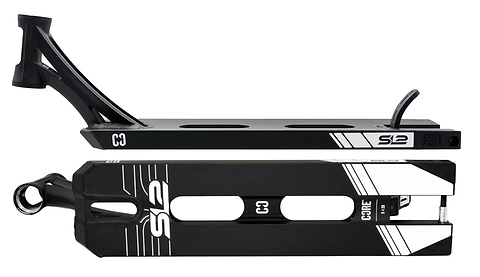
The deck size and shape determine stability and manoeuvrability. Wider decks suit street riding, while narrower ones favour park tricks. Ensure your deck matches your chosen headset type (integrated or standard).
Scooter Decks Guide - Park and Street Decks
Fork
Forks connect your wheels and handlebars. Choose between threaded (older style, budget-friendly) or threadless forks (modern, superior performance). Forks must match your wheel size and compression system.
Scooter Forks Guide - Different Compression Types
Wheels
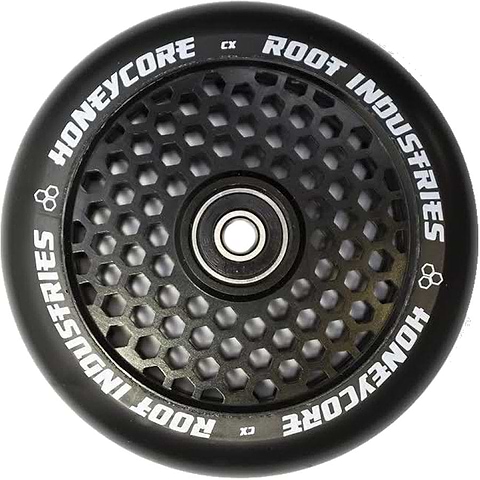
Common sizes are 100mm, 110mm, and 120mm. Larger wheels roll faster and smoother but may reduce trick agility. Check compatibility with forks and deck.
Scooters Wheels Guide - Different sizes 100mm - 120mm
Headset
Headsets must match your deck type: integrated (most common), semi-integrated, or standard. Integrated headsets are smoother and easier to install.
Scooter Headsets - Buying Guide
Compression System
Compression systems include SCS, HIC, IHC, and ICS. SCS is robust, HIC is popular for intermediate riders, and ICS/IHC offer lightweight alternatives. Compression systems determine compatibility between forks and handlebars.
Handlebars
Bars come in standard or oversized diameters and various styles (T-bars, Y-bars). Standard bars fit ICS/IHC systems, while oversized bars are needed for HIC. Choose bar height and width based on your height and riding preference.
Scooter Bars Guide - Types, Materials - Alum, Steel, Super Steel, Titanium
Clamp
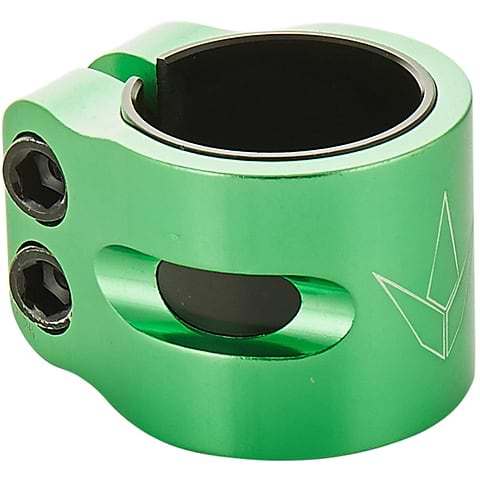
The clamp must match your bar diameter. Single or double clamps are lighter, suitable for younger riders or beginners, while triple or quad clamps provide better strength for aggressive riding.
Grips
Choose comfortable, durable grips for control. Most grips fit standard handlebar sizes, but always double-check.
Scooter Grips Guide - Different Lengths and Tactiness
Griptape
Essential for grip. Match griptape width to your deck. Custom designs allow personalisation.
Brake or Fender
Select a brake compatible with your deck and wheel size. Fenders offer protection but no braking capability.
Optional Add-ons: Pegs & Bar Ends
Pegs enhance grinding capability, while bar ends protect handlebars. Ensure compatibility with your fork and deck setup.
What Type of Rider Are You? Choose Parts to Match Your Style
- Park Riders: Prefer lightweight setups for agility and technical tricks.
- Street Riders: Opt for stronger, wider decks and larger bars to handle impact.
- All-Round Riders: Balance durability and weight.
Skill Level Matters: Beginner, Intermediate, or Pro?
- Beginner Riders: Start with affordable, durable parts suitable for learning basics.
- Intermediate Riders: Upgrade to lighter, stronger components as your skill improves.
- Pro Riders: Select premium, specialised components optimised for high-level tricks and durability.
Tools You’ll Need for Assembly
- Allen keys
- Spanners
- Screwdrivers
- Rubber mallet (for delicate adjustments)
- Optional: grease or lubricant for bearings and bolts
Common Compatibility Mistakes
- Mismatched Bars and Clamps: Always confirm bar diameter before purchasing clamps.
- Incorrect Wheel Size: Match wheel size precisely with forks and deck specifications.
- Compression System Errors: Ensure chosen bars and forks match your compression system.
Top Tips for Colour Matching and Style
- Choose two or three complementary colours to avoid visual clutter.
- Consider finishes (matte, gloss, anodised) carefully to ensure cohesive aesthetics.
- Avoid mixing clashing colours or shades from different brands.
FAQs
Can I mix compression systems?
No. Compression systems must match the fork and bars precisely.
Are 120mm wheels suitable for beginners?
Not usually. Beginners typically start with 100mm or 110mm wheels for easier control.
What if my bar is too wide?
Bars can often be professionally cut down to size. Consult a specialist or experienced scooter shop.
Can I reuse old parts?
Yes, if they're in good condition and compatible with your new parts.
What’s the difference between integrated and standard headsets?
Integrated headsets fit directly into integrated decks and are smoother. Standard headsets require cups pressed into the deck, making installation slightly more complicated.
How often should I replace bearings?
Replace bearings when wheels stop spinning smoothly, typically every 6-12 months depending on usage and conditions.
Are titanium bars worth the extra cost?
Titanium bars are lighter and extremely durable, making them ideal for serious riders and pros. Beginners or casual riders may not notice a significant difference.
Do I really need scooter pegs?
Pegs aren't essential but are recommended if you want to perform grinding tricks.
How tight should I make my clamp bolts?
Bolts should be tight enough to prevent slipping, but don't overtighten as this can damage the clamp and bars. Hand-tighten evenly, using firm pressure.
Final Thoughts
Building a custom stunt scooter is one of the most rewarding ways to elevate your riding experience, but it requires careful planning and attention to compatibility. From selecting the right compression system to ensuring your bars and forks are a perfect match, every part must work together seamlessly. Use this guide to navigate the key decisions, avoid common pitfalls, and build a scooter that fits your style, skill level and goals. Whether you're heading to the skatepark or the street, your custom setup should feel like an extension of you — built to perform, and built to last.


