
Kids’ Protection Gear Buying Guide for Scooters, Bikes, Skates and Skateboards
Why Protection Matters
Whether your child rides a scooter to school, practises tricks at the skatepark, or enjoys family bike rides, protection gear is essential. Falls and scrapes are part of learning, but serious injuries don’t have to be. In the UK, thousands of children are treated each year for cycling, skating and scootering accidents. The most common injuries are to the head, wrists, elbows and knees. The right protective equipment helps prevent broken bones, cuts and concussions, and it gives children the confidence to enjoy themselves safely. For parents, investing in good quality gear provides peace of mind and helps ensure play stays fun.
Essential Protective Gear
Helmets
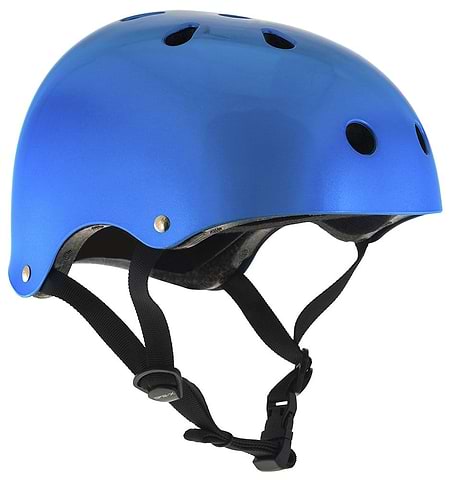
A helmet is the most important piece of protective gear. It reduces the risk of head injuries and should always be worn for cycling, scootering, skating and skateboarding. Look for helmets that meet European safety standards (CE EN1078 for cyclists and skaters). A well-fitting helmet should sit level on the head, not tilt back, and the straps should form a snug “V” shape under the ears. Measure your child’s head circumference to find the right size and adjust the straps so the helmet stays in place when they shake their head.
Knee Pads
Knee pads protect against impacts and are particularly useful for beginners who are more likely to fall forwards. They should fit securely without sliding up or down and offer enough padding to absorb knocks while still allowing free movement. Children will often be on their knees after a tumble, so durable padding makes a real difference to comfort and safety.
Elbow Pads
Although often overlooked, elbow pads are vital for younger riders and anyone learning new tricks. Falls onto elbows can cause painful bruising or even fractures. Pads should wrap comfortably around the joint and stay in place without cutting into the arm. As with knee pads, if they slip too easily, they are not the right size.
Wrist Guards
When children fall, they instinctively put their hands out. Wrist guards protect against sprains and fractures and can also prevent painful grazes. For scooters and skateboards, where falls onto the hands are common, they are highly recommended. A good pair should secure firmly with Velcro straps and not restrict grip on handlebars.
Pad Sets
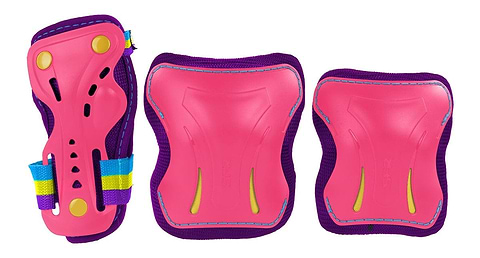
Buying a full set of pads is often the most cost-effective way to ensure complete protection. These sets usually include knee, elbow and wrist guards designed to work together. They are also easier to match in size and style, making it simpler to kit your child out quickly.
Choosing Gear by Age and Activity
Toddlers (Ages 2–4): At this stage children are usually on balance bikes or three-wheel scooters. A lightweight helmet and simple knee and elbow pads provide enough protection for short rides and early falls. Comfort and ease of use are key, as young children are more likely to keep gear on if it feels natural.
Young Children (Ages 5–7): Transitioning to two wheeled scooters means bigger risks. Helmets remain essential, and adding wrist guards becomes a smart choice. A small, adjustable pad set is ideal for growing children.
Primary School (Ages 8–12): Confidence and speed increase at this age, whether it’s on a bike, scooter, skateboard or inline skates. A full set of protective gear is strongly recommended, especially if your child is trying tricks or riding in skateparks. Look for gear with more robust padding and adjustable straps to keep up with growth spurts.
Teens (13+): Older children often ride for commuting as well as fun. For stunts or higher-speed riding, pro-level helmets and pads provide better durability and impact protection. Style can be just as important at this age, so involving them in the choice helps ensure they actually wear the gear.
How to Make Sure Gear Fits Properly
Measure before buying, particularly for helmets. Most brands provide size charts, and it’s worth taking the time to check. Pads should be snug but not restrictive, and straps should fasten securely without digging into the skin. A helmet that rocks back and forth or pads that slide down an arm are not protecting properly. Encourage your child to move, bend and shake their head while trying gear to make sure everything stays put.
Encouraging Children to Wear Protection
The biggest challenge for parents is often not buying the gear but getting children to wear it. Involving them in the choice, letting them pick colours or styles, can make a big difference. Setting an example by wearing a helmet yourself when cycling or skating also helps normalise it. Remind children that professional riders always wear protection, and frame it as part of the sport rather than a restriction.
Maintenance and Replacement
Protective gear doesn’t last forever. Helmets should be replaced after any significant impact, even if they look fine, as the internal structure may be damaged. Pads and wrist guards should be checked regularly for worn straps, cracked plastic or flattened padding. Keeping gear clean by wiping it down and airing it out after use will also make it last longer and feel more comfortable.
Frequently Asked Questions
Can my child use a bike helmet for skateboarding?
Yes, as long as it meets CE EN1078 safety standards. However, skateboard-specific helmets often cover more of the back of the head, offering extra protection for falls in skateparks.
Are wrist guards safe for scooters?
Yes, they protect against hand and wrist injuries. Make sure they don’t interfere with gripping the handlebars.
How often should helmets be replaced?
Apart from after a heavy fall, helmets should generally be replaced every five years, as materials can weaken over time.
Is it better to buy a full set or individual pads?
For younger children, pad sets are usually the best option as they are convenient and good value. Older children may prefer upgrading individual pads as they grow or take on more advanced riding.


