
Ice Skates Buying Guide
Choosing the right pair of ice skates makes all the difference between wobbling uncomfortably and gliding with confidence. Whether you’re an adult looking to take up skating for fun or fitness, or a parent buying for your child, this guide covers everything you need to know to make the right choice.
Why Buy Your Own Skates?
Hiring skates can be convenient, but owning your own offers far more comfort, support and consistency. The right fit improves control, reduces the risk of injury and helps you progress faster. For children, their own skates also give them confidence and a sense of ownership. Over time, buying your own pair often works out cheaper than repeated rentals, especially if you skate regularly.
Types of Ice Skates
Before you choose, think about how the skates will be used:
Recreational skates are soft, comfortable and easy to use, designed for casual skating at public sessions or outdoor rinks. Ideal for beginners of any age.
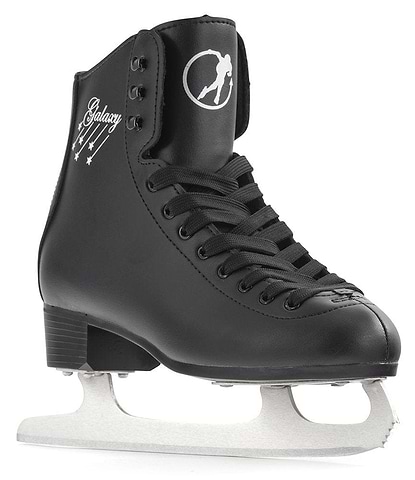
Figure skates feature a stiff boot, long flat blade and a toe pick at the front, making them perfect for spins, jumps and dance routines. They’re the standard choice for lessons and performance.
Hockey skates have a lower boot and curved blade, built for speed, agility and quick turns. They’re tougher and suit anyone interested in the sport.
Kids’ double-blade skates or adjustable models are available for very young beginners, offering extra stability and room to grow.
Fit and Sizing for Adults and Kids
Skates should fit snugly, with toes just brushing the front and no excess heel lift. They mustn’t be so tight they cut off circulation, but they should hold the foot firmly for proper ankle support. Adults should usually buy their true shoe size, though some brands run differently, so checking size charts is important. For children, going up half a size can leave room for growth, but don’t size up too much or they’ll lose control. Adjustable kids’ skates are a good option if you want them to last through growth spurts.
Boot Construction and Blades
Adult skates often come with leather or stiff synthetic boots for strength and control, while children’s skates may favour softer padding for comfort. Figure skates always have a toe pick, essential for jumps and take-offs, while hockey skates are shorter and curved for manoeuvrability. Whatever the style, make sure blades are sharpened before first use, as factory edges are rarely skate-ready.
Choosing by Skill Level
For beginners (kids or adults), comfort and support are the top priorities—recreational skates or entry-level figure skates are ideal.
For progressing skaters, consider moving into stiffer boots or discipline-specific models to help refine technique.
For serious skaters, investing in higher-end figure or hockey skates will provide durability and responsiveness for performance.
Safety and Protective Gear
Ice can be unforgiving, so protective gear is always recommended. Helmets are strongly advised for children and new adult skaters. Wrist guards, knee pads and padded clothing can prevent common falls from turning into injuries. Teaching kids how to fall safely—by bending knees and rolling to the side rather than putting out their hands—can also reduce risk.
Accessories and Maintenance
A pair of blade guards is essential to protect edges when walking off the ice. Always dry blades thoroughly after skating to prevent rust blade soakers are great for this. A skate bag makes carrying and storing skates far easier. Regular sharpening keeps blades in top condition; expect to sharpen every 10–20 hours of skating, or sooner if edges feel dull.
Frequently Asked Questions
What age can children start ice skating?
Most children can start from around four or five years old. Very young skaters may benefit from double-blade skates for extra balance.
Should adults buy beginner skates or jump straight into figure or hockey skates?
It depends on your goals. If you want to learn skills or take lessons, figure skates are best. For casual skating, recreational skates work fine. If hockey is your interest, start with hockey skates.
Do skates need to be sharpened before use?
Yes—factory blades are not usually sharpened for skating. Always get them sharpened before hitting the ice.
Are adjustable skates good for kids?
Yes, they’re practical for growing children and can last several seasons. However, they may not be as supportive as fixed-size boots for more advanced skating.
How should skates feel when laced up?
They should feel snug around the ankle and foot, with firm support but no pinching. You shouldn’t be able to lift your heel inside the boot.
How often do blades need sharpening?
It varies with use, but a good rule is every 10–20 hours on the ice. Dull blades make skating harder and less safe.
Are there women’s ice skates, or do I just buy my normal size?
Most recreational and figure skates are unisex — women should usually order their normal UK shoe size and check the brand’s size chart, as some boots run small. Popular beginner figure skates such as the SFR Galaxy range are a common choice for women starting out. Browse the SFR ice skates range or our full ice skates collection to compare fits.


