
-
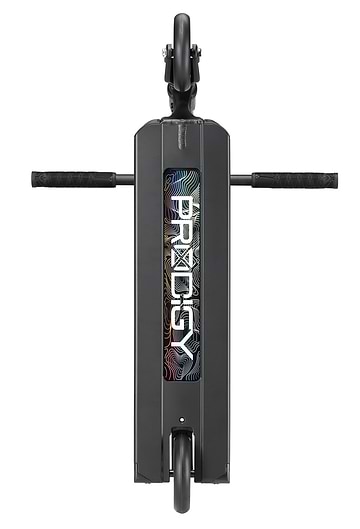
Blunt Envy Prodigy X ONE Street Edition Complete Stunt Scooter - Black
Save 10%Regular price £179.95Regular priceUnit price / per£199.90Sale price £179.95Sale -
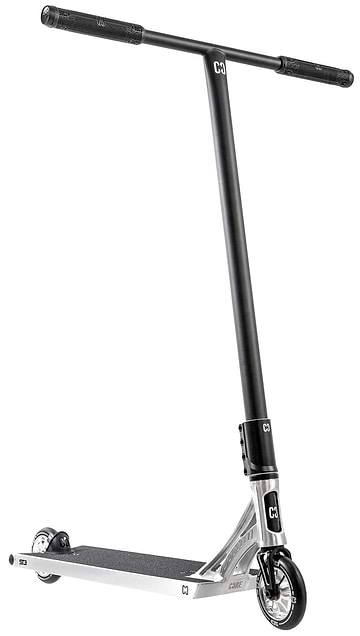
CORE ST3 Complete Stunt Scooter - Polished
Save 12%Regular price £214.95Regular priceUnit price / per£244.95Sale price £214.95Sale -

 SALE Save 14%
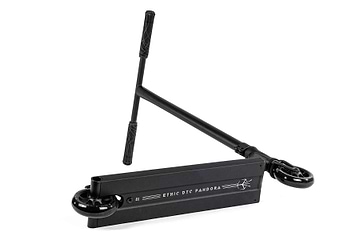
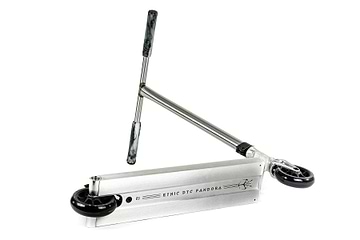
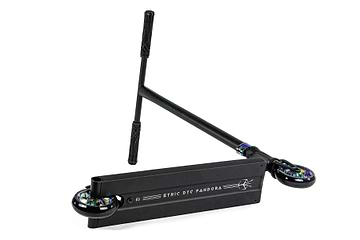
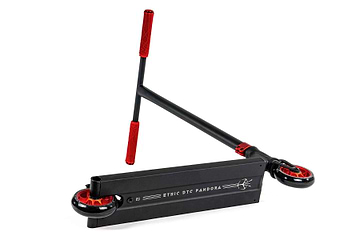
Ethic DTC Pandora Complete Stunt Scooter (M) - Black
Save 14% SALERegular price £213.95Regular priceUnit price / per£249.95Sale price £213.95Sale -
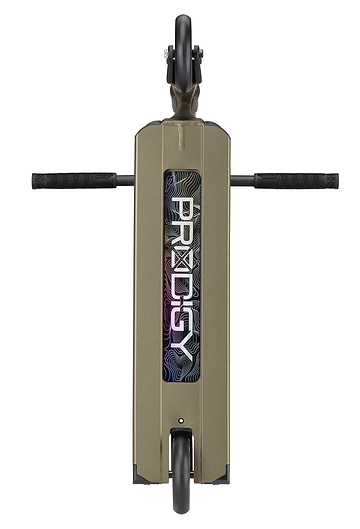
Blunt Envy Prodigy X ONE Street Edition Complete Stunt Scooter - Olive
Save 10% SALERegular price £179.95Regular priceUnit price / per£199.90Sale price £179.95Sale -

 SALE Save 14%
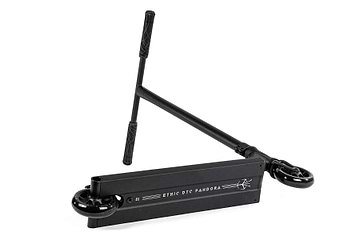
Ethic DTC Pandora Complete Stunt Scooter (L) - Black
Save 14% SALERegular price £213.95Regular priceUnit price / per£249.95Sale price £213.95Sale -
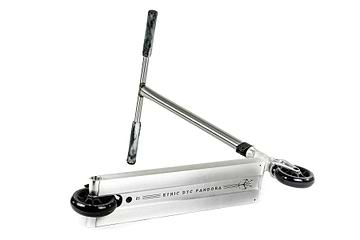
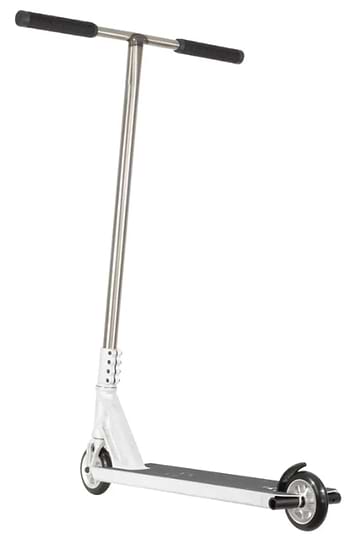
Ethic DTC Pandora Complete Stunt Scooter (M) - Brushed Silver
Save 8%Regular price £229.95Regular priceUnit price / per£249.95Sale price £229.95Sale -

 SALE Save 24%
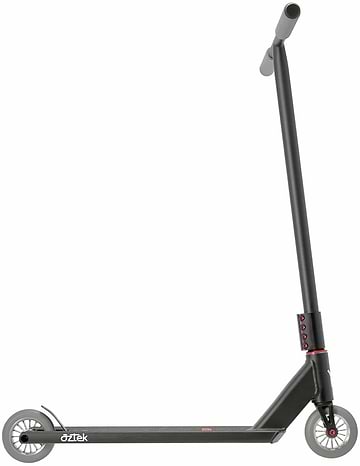
Aztek Architect 2 Complete Stunt Scooter - Satin Black
Save 24% SALERegular price £144.95Regular priceUnit price / per£190.00Sale price £144.95Sale -
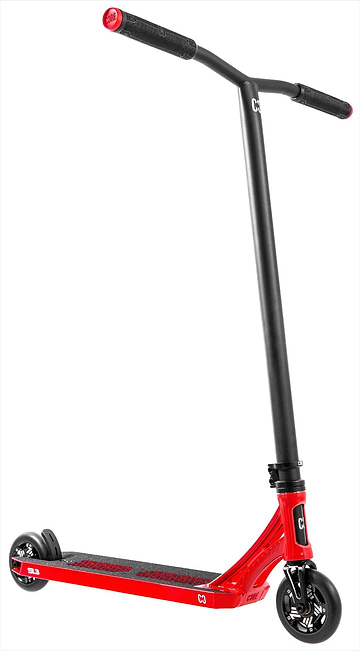
CORE SL3 Complete Stunt Scooter - Red / Black
Save 8%Regular price £224.95Regular priceUnit price / per£244.95Sale price £224.95Sale -
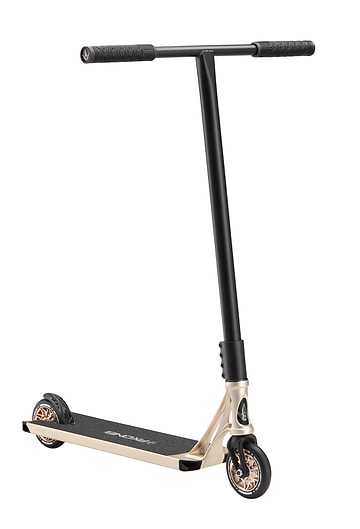
Blunt Envy Prodigy X ONE Street Edition Complete Stunt Scooter - Ivory
Save 10%Regular price £179.95Regular priceUnit price / per£199.90Sale price £179.95Sale -
Ethic DTC Pandora Complete Stunt Scooter (L) - Brushed Silver
Save 15% SALERegular price £229.95Regular priceUnit price / per£269.95Sale price £229.95Sale -

 SALE Save 15%
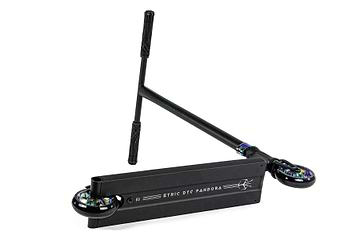
Ethic DTC Pandora Complete Stunt Scooter (L) - Neochrome
Save 15% SALERegular price £229.95Regular priceUnit price / per£269.95Sale price £229.95Sale -
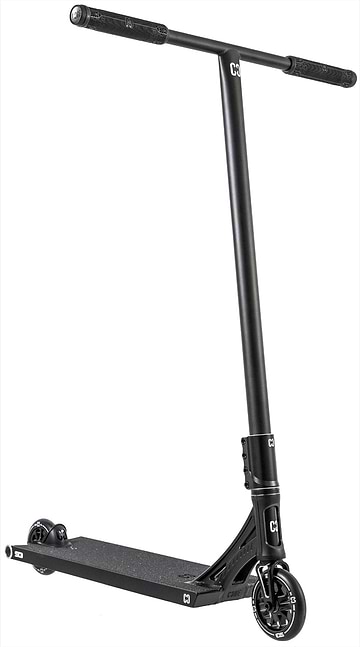
CORE ST3 Complete Stunt Scooter - Black
Save 8%Regular price £224.95Regular priceUnit price / per£244.95Sale price £224.95Sale -

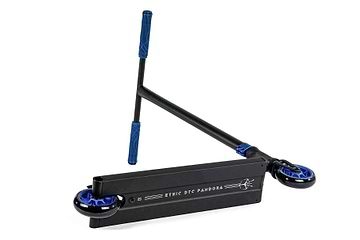 SALE Save 14%
Ethic DTC Pandora Complete Stunt Scooter (M) - Blue
Save 14% SALERegular price £213.95Regular priceUnit price / per£249.95Sale price £213.95Sale -
Ethic DTC Pandora Complete Stunt Scooter (M) - Neochrome
Save 8% SALERegular price £229.95Regular priceUnit price / per£249.95Sale price £229.95Sale -

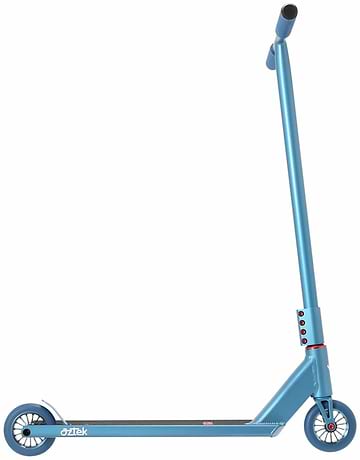 SALE Save 24%
Aztek Architect 2 Complete Stunt Scooter - Neptune Blue
Save 24% SALERegular price £144.95Regular priceUnit price / per£190.00Sale price £144.95Sale -

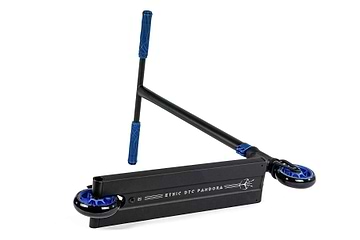 SALE Save 14%
Ethic DTC Pandora Complete Stunt Scooter (L) - Blue
Save 14% SALERegular price £213.95Regular priceUnit price / per£249.95Sale price £213.95Sale -
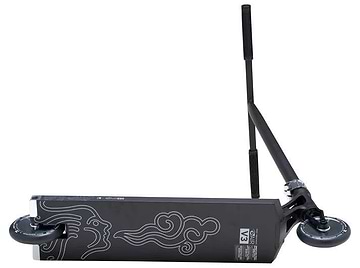
Root Industries AIR RS V3 Complete Stunt Scooter - Black
Save 5%Regular price £217.95Regular priceUnit price / per£229.95Sale price £217.95Sale -
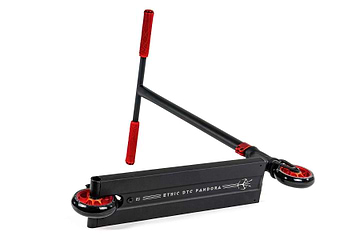
Ethic DTC Pandora Complete Stunt Scooter (M) - Red
Save 14%Regular price £213.95Regular priceUnit price / per£249.95Sale price £213.95Sale -

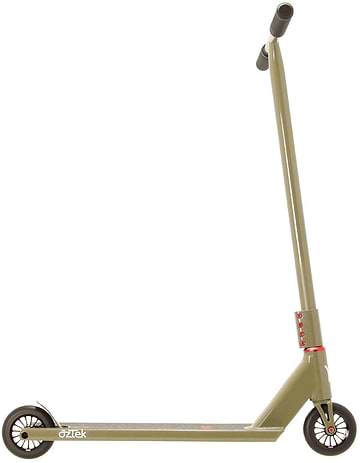 SALE Save 22%
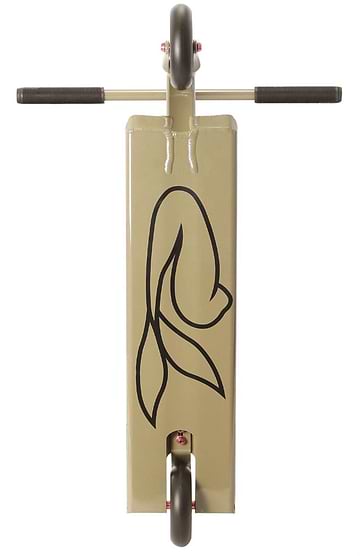
Aztek Architect 2 Complete Stunt Scooter - Zircon Sand
Save 22% SALERegular price £148.95Regular priceUnit price / per£190.00Sale price £148.95Sale -
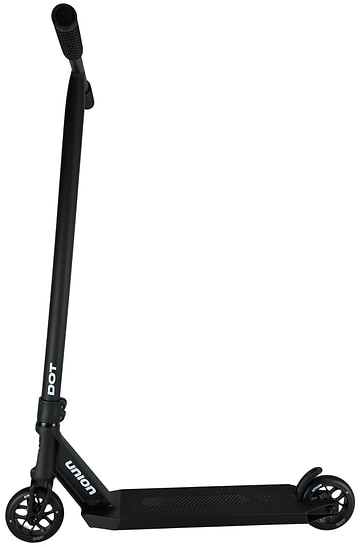
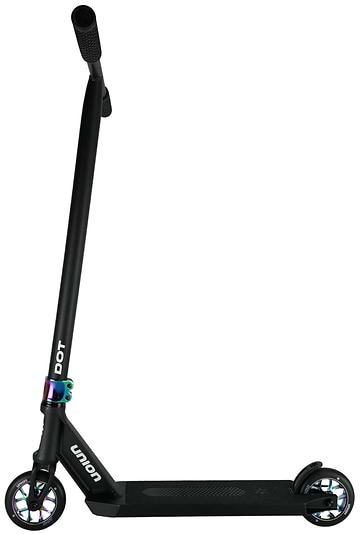
Union Dot Complete Stunt Scooter - Black
Regular price £174.95Regular priceUnit price / per£174.95Sale price £174.95 -
Union Dot Complete Stunt Scooter - Black / Neochrome
Regular price £179.95Regular priceUnit price / per£179.95Sale price £179.95 -
Ethic DTC Pandora Complete Stunt Scooter (L) - Red
Save 14%Regular price £213.95Regular priceUnit price / per£249.95Sale price £213.95Sale -
Native Canopy Pro Complete Stunt Scooter - Raw
Save 9%Regular price From £249.95Regular priceUnit price / per£274.95Sale price From £249.95Sale -
Aztek Siren Complete Street Stunt Scooter - Zircon Sand
Save 10%Regular price £214.95Regular priceUnit price / per£239.95Sale price £214.95Sale -
Aztek Fountain 2026 Complete Stunt Scooter - Satin Black
Regular price £229.90Regular priceUnit price / per£229.90Sale price £229.90 -
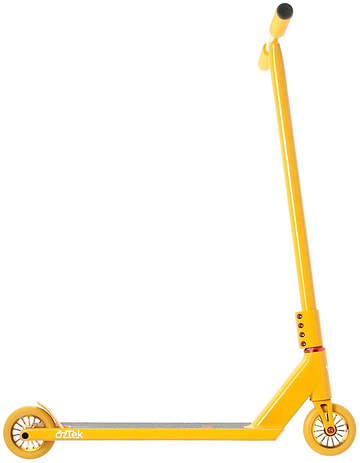
Aztek Architect 2 Complete Stunt Scooter - Sunburst Yellow
Regular price £155.95Regular priceUnit price / per -
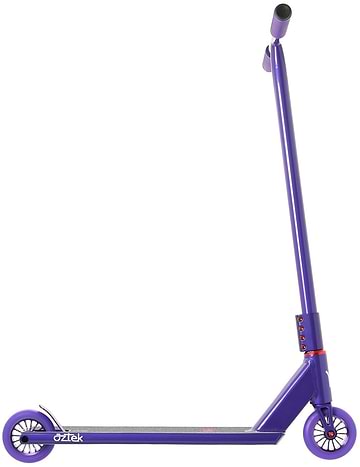
Aztek Architect 2 Complete Stunt Scooter - Viola Purple
Regular price £155.95Regular priceUnit price / per -
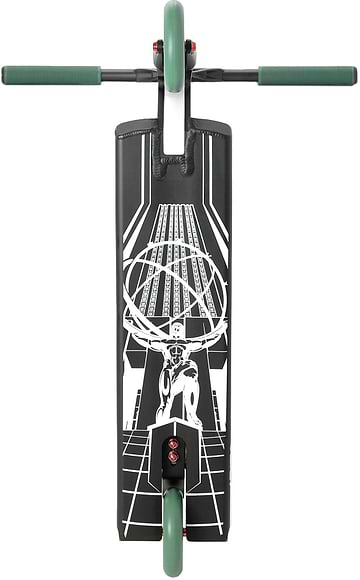
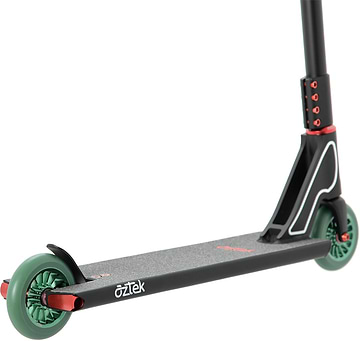
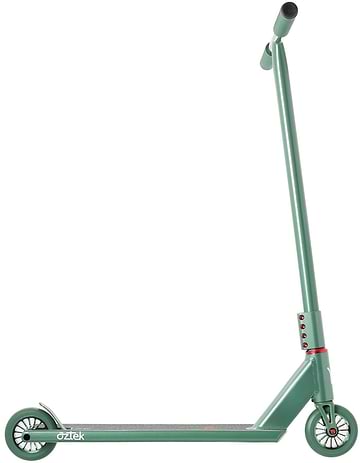
Aztek Architect 2 Complete Stunt Scooter - Sage Green
Regular price £155.95Regular priceUnit price / per -
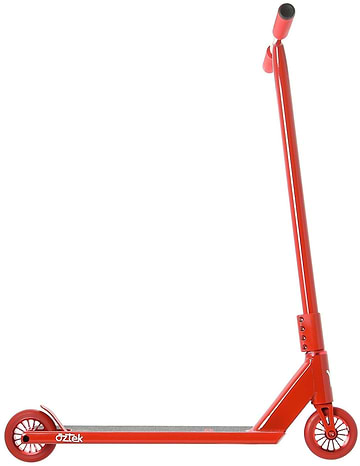
Aztek Architect 2 Complete Stunt Scooter - Cardinal Red
Regular price £155.95Regular priceUnit price / per




















Why buy Street Scooters?
How do street scooters differ from park scooters?
Park scooters are lighter and narrower for aerial tricks; street scooters focus on strength and stability. They’re heavier due to thicker materials, but they withstand grinding and big drops better.
Are street scooters good for beginners?
They’re heavier and may feel cumbersome for new riders. Beginners often start with lighter scooters and progress to street setups as they develop the strength and skill needed for advanced tricks.
What compression systems are common?
SCS is preferred for street scooters because it provides the strongest connection and reduces bar slippage. Some riders use HIC, but it’s less common. IHC is rarely used for pure street builds.
Can I use a street scooter in skateparks?
Yes, but it’s heavier for spins and flips. If you ride both street and park, consider a hybrid setup or different scooters for each terrain.
How do I maintain a street scooter?
Check welds and dropouts for cracks, tighten SCS bolts evenly, rotate wheels, and replace bearings as they wear. Lubricate the headset and compression system periodically for smooth bar spins.
Can I customise a street scooter?
Yes. Many riders upgrade wheels to 115–120 mm, install stronger pegs or change bars and forks. Ensure parts are compatible with your deck’s width and compression type.
Why are street scooters more expensive?
They use more material and stronger construction to withstand impacts. High‑end street decks and bars undergo intensive testing, which increases manufacturing costs.
How do street scooters differ from park scooters?
How do street scooters differ from park scooters?
Park scooters are lighter and narrower for aerial tricks; street scooters focus on strength and stability. They’re heavier due to thicker materials, but they withstand grinding and big drops better.
Are street scooters good for beginners?
Are street scooters good for beginners?
They’re heavier and may feel cumbersome for new riders. Beginners often start with lighter scooters and progress to street setups as they develop the strength and skill needed for advanced tricks.
What compression systems are common?
What compression systems are common?
SCS is preferred for street scooters because it provides the strongest connection and reduces bar slippage. Some riders use HIC, but it’s less common. IHC is rarely used for pure street builds.
Can I use a street scooter in skateparks?
Can I use a street scooter in skateparks?
Yes, but it’s heavier for spins and flips. If you ride both street and park, consider a hybrid setup or different scooters for each terrain.
How do I maintain a street scooter?
How do I maintain a street scooter?
Check welds and dropouts for cracks, tighten SCS bolts evenly, rotate wheels, and replace bearings as they wear. Lubricate the headset and compression system periodically for smooth bar spins.
Can I customise a street scooter?
Can I customise a street scooter?
Yes. Many riders upgrade wheels to 115–120 mm, install stronger pegs or change bars and forks. Ensure parts are compatible with your deck’s width and compression type.
Why are street scooters more expensive?
Why are street scooters more expensive?
They use more material and stronger construction to withstand impacts. High‑end street decks and bars undergo intensive testing, which increases manufacturing costs.


