
-

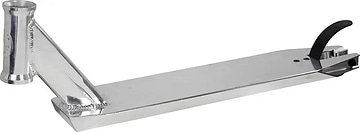 SALE Save 30%
UrbanArtt Primo Raw Stunt Scooter Deck - 4.6" x 21.25"
Save 30% SALERegular price £69.95Regular priceUnit price / per£99.95Sale price £69.95Sale -

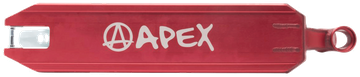 SALE Save 15%
Apex Pro Red Stunt Scooter Deck - 4.5" x 20.1"
Save 15% SALERegular price £246.97Regular priceUnit price / per£289.95Sale price £246.97Sale -

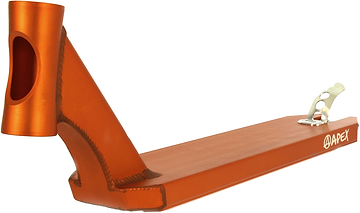 SALE Save 20%
Apex Pro Orange Stunt Scooter Deck - 4.5" x 20.1"
Save 20% SALERegular price £232.97Regular priceUnit price / per£289.95Sale price £232.97Sale -
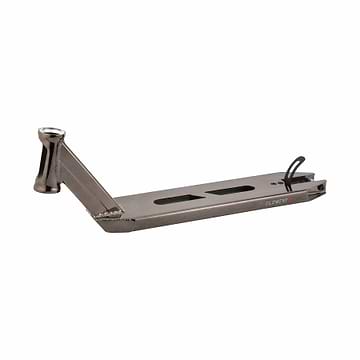
Drone Element 2 Feather-Light Smoked Chrome Stunt Scooter Deck - 4.5" x 19"
Save 29%Regular price £99.95Regular priceUnit price / per£139.99Sale price £99.95Sale -

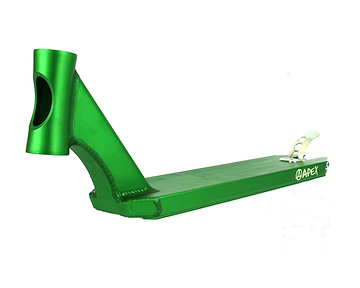 SALE Save 20%
Apex Pro Green Stunt Scooter Deck - 4.5" x 19.3"
Save 20% SALERegular price £232.97Regular priceUnit price / per£289.95Sale price £232.97Sale -

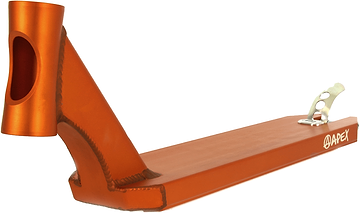 SALE Save 20%
Apex Pro Orange Stunt Scooter Deck - 4.5" x 19.3"
Save 20% SALERegular price £232.97Regular priceUnit price / per£289.95Sale price £232.97Sale -
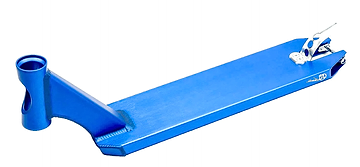
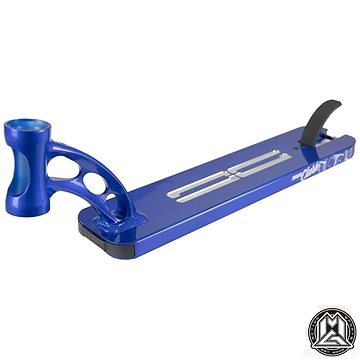
Apex Pro Camille Bonnet Signature Blue Stunt Scooter Deck - 4.5" x 19.3"
Save 26% SALERegular price £227.97Regular priceUnit price / per£309.95Sale price £227.97Sale -
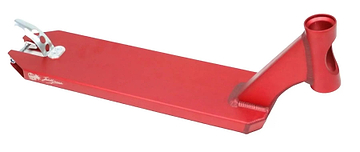
Apex Pro Jett Williams Signature Red Stunt Scooter Deck - 5" x 19.3"
Save 7%Regular price £279.95Regular priceUnit price / per£299.95Sale price £279.95Sale -
Madd Gear MGP VX9 Blue Jordan Clark Signature Stunt Scooter Deck - 4.5" x 19.5"
Save 14%Regular price £119.95Regular priceUnit price / per£139.95Sale price £119.95Sale -
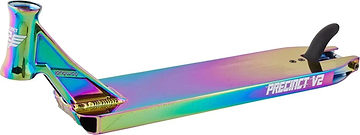
Longway Precinct V2 Neochrome Stunt Scooter Deck - 4.9" x 22"
Save 25% SALERegular price £81.95Regular priceUnit price / per£109.95Sale price £81.95Sale -
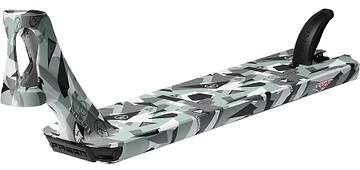
Fasen Team Edy Fluckinger Stunt Scooter Deck - 4.7" x 20"
Save 38% SALERegular price £99.95Regular priceUnit price / per£159.95Sale price £99.95Sale






Why buy Park Scooter Decks?
How do park decks differ from street decks?
Street decks are wider (5.0–6.0 inches) with boxed ends for grinding rails and ledges. Park decks have angled dropouts and rounded edges to prevent catching during tricks. Street riders prioritise stability and grind surface, while park riders prioritise weight and responsiveness.
What materials are used?
Most park decks use 6061‑T6 aluminium for a balance of weight and strength. Some incorporate hydroformed tubing or hollow sections to remove material without reducing structural integrity.
How do I choose the right size?
Consider your height and riding style. Smaller riders and those who focus on park tricks may prefer shorter decks (19–19.5 inches), while taller riders might opt for longer decks up to 20.5 inches for added foot space.
What headtube angle do park decks use?
Park decks often feature steeper headtube angles (around 83–84 degrees) to facilitate faster bar spins and whips. This geometry makes the deck more responsive during rotational tricks.
Are park decks durable?
Yes. Despite their lightweight construction, reputable brands reinforce stress points. However, park decks are not built to handle heavy street grinds and may wear out faster if used primarily on rough surfaces.
Can park decks be used for street riding?
They can, but they may not last as long if used for heavy grinding. Street decks offer more stability and grind surface for rails and ledges. Park decks are best reserved for skateparks and smooth surfaces.
Can I customise a park deck?
Absolutely. You can add your preferred wheels, forks and bars. Just ensure that the deck’s headtube and brake are compatible with the components you choose.
How do park decks differ from street decks?
How do park decks differ from street decks?
Street decks are wider (5.0–6.0 inches) with boxed ends for grinding rails and ledges. Park decks have angled dropouts and rounded edges to prevent catching during tricks. Street riders prioritise stability and grind surface, while park riders prioritise weight and responsiveness.
What materials are used?
What materials are used?
Most park decks use 6061‑T6 aluminium for a balance of weight and strength. Some incorporate hydroformed tubing or hollow sections to remove material without reducing structural integrity.
How do I choose the right size?
How do I choose the right size?
Consider your height and riding style. Smaller riders and those who focus on park tricks may prefer shorter decks (19–19.5 inches), while taller riders might opt for longer decks up to 20.5 inches for added foot space.
What headtube angle do park decks use?
What headtube angle do park decks use?
Park decks often feature steeper headtube angles (around 83–84 degrees) to facilitate faster bar spins and whips. This geometry makes the deck more responsive during rotational tricks.
Are park decks durable?
Are park decks durable?
Yes. Despite their lightweight construction, reputable brands reinforce stress points. However, park decks are not built to handle heavy street grinds and may wear out faster if used primarily on rough surfaces.
Can park decks be used for street riding?
Can park decks be used for street riding?
They can, but they may not last as long if used for heavy grinding. Street decks offer more stability and grind surface for rails and ledges. Park decks are best reserved for skateparks and smooth surfaces.
Can I customise a park deck?
Can I customise a park deck?
Absolutely. You can add your preferred wheels, forks and bars. Just ensure that the deck’s headtube and brake are compatible with the components you choose.


