
-
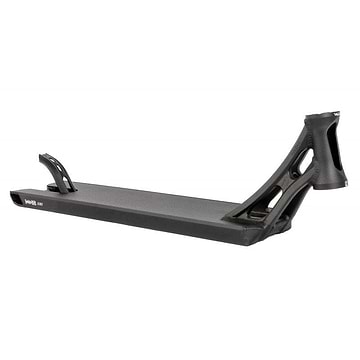
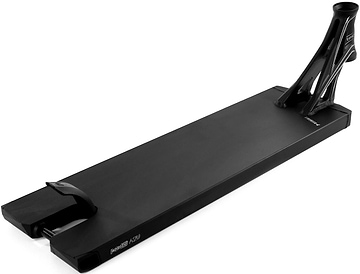
Ethic DTC Lindworm V4 Black Stunt Scooter Deck - 5.9" x 22.8"
Regular price £197.97Regular priceUnit price / per£189.95Sale price £197.97 -
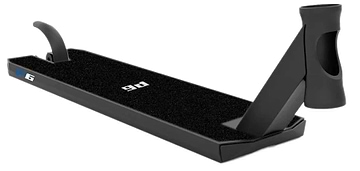
Lucky Prospect P6 Pro Black Stunt Scooter Deck - 6" x 22"
Regular price £124.95Regular priceUnit price / per£124.95Sale price £124.95 -
Blunt Envy AOS V6 Squad Olive Stunt Scooter Deck - 6" x 22"
Regular price £144.90Regular priceUnit price / per£144.95Sale price £144.90Sale -

 SALE Save 11%
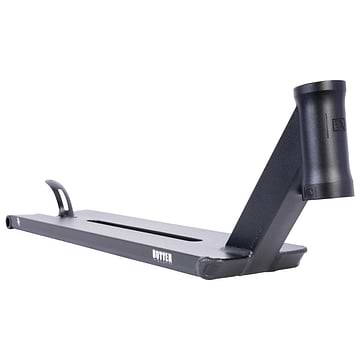
Urbanartt Butter Black Stunt Scooter Deck - 5.5" x 22"
Save 11% SALERegular price £88.97Regular priceUnit price / per£99.99Sale price £88.97Sale -
Ethic DTC Vulcain Boxed 12 STD Black Stunt Scooter Deck - 5.1" x 22"
Save 14% SALERegular price £128.97Regular priceUnit price / per£149.95Sale price £128.97Sale -
Ethic DTC Lindworm V4 Raw Stunt Scooter Deck - 6.7" x 22.8" / 24.4"
Save 14%Regular price £205.95Regular priceUnit price / per£239.99Sale price £205.95Sale -
Ethic DTC Lindworm V4 Black Stunt Scooter Deck - 6.7" x 22.8" / 24.4"
Save 14%Regular price £205.95Regular priceUnit price / per£239.99Sale price £205.95Sale -
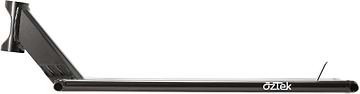
Aztek Europa 2 Black Magic Stunt Scooter Deck - 7" x 24"
Regular price £199.90Regular priceUnit price / per£199.90Sale price £199.90 -
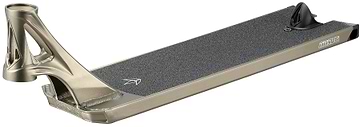
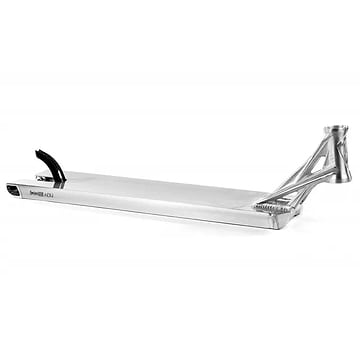
Ethic DTC Lindworm V4 Raw Silver Stunt Scooter Deck - 5.9" x 21.25"
Save 21% SALERegular price £172.97Regular priceUnit price / per£219.95Sale price £172.97Sale -
Ethic DTC Lindworm V4 Raw Silver Stunt Scooter Deck - 6.2" x 22"
Save 15% SALERegular price £187.97Regular priceUnit price / per£219.95Sale price £187.97Sale -
Blunt Envy AOS V6 Squad Grey Stunt Scooter Deck - 5.5" x 22"
Regular price £144.90Regular priceUnit price / per£144.95Sale price £144.90Sale -
Madd Gear MGP VX9 Blue Jordan Clark Signature Stunt Scooter Deck - 4.5" x 19.5"
Save 14%Regular price £119.95Regular priceUnit price / per£139.95Sale price £119.95Sale -
Lucky Chris Farris Signature V1 Black Stunt Scooter Deck - 6" x 22"
Regular price £124.95Regular priceUnit price / per£124.95Sale price £124.95 -
Root Industries AIR Boxed Black Stunt Scooter Deck - 5.1" x 22"
Save 31% SALERegular price £109.95Regular priceUnit price / per£159.95Sale price £109.95Sale -

 SALE Save 39%
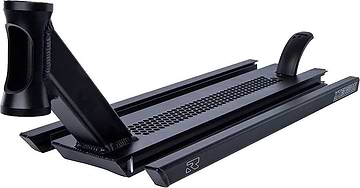
Root Industries Xtension Black Stunt Scooter Deck - 21"
Save 39% SALERegular price £88.97Regular priceUnit price / per£144.95Sale price £88.97Sale -
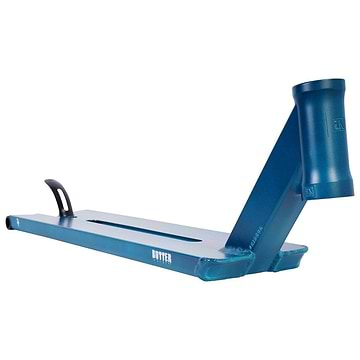
Urbanartt Butter Arctic Blue Stunt Scooter Deck - 5.5" x 23"
Save 11% SALERegular price £88.97Regular priceUnit price / per£99.99Sale price £88.97Sale -
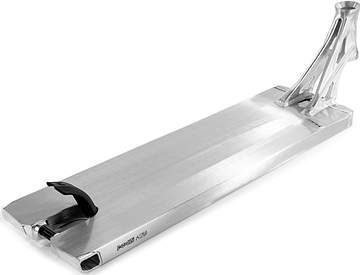
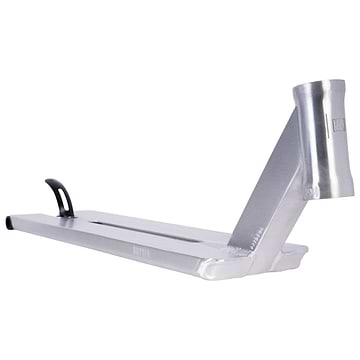
UrbanArtt Butter Raw Brushed Silver Stunt Scooter Deck - 5.5" x 22"
Save 11% SALERegular price £88.97Regular priceUnit price / per£99.99Sale price £88.97Sale -
UrbanArtt Butter Raw Brushed Silver Stunt Scooter Deck - 5.5" x 23"
Save 11% SALERegular price £88.97Regular priceUnit price / per£99.99Sale price £88.97Sale -

 SALE Save 20%
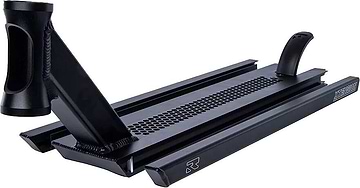
Root Industries Xtension Black Stunt Scooter Deck - 22"
Save 20% SALERegular price £113.97Regular priceUnit price / per£142.95Sale price £113.97Sale










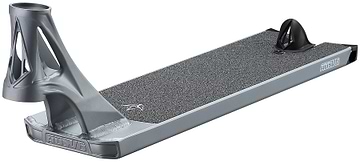

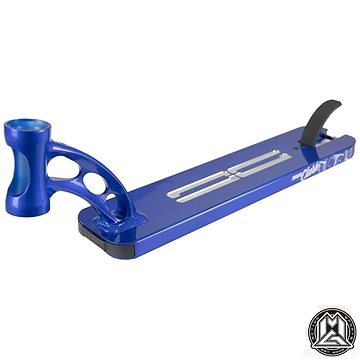

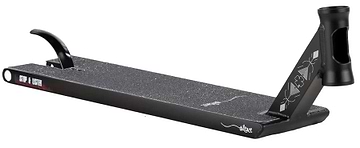

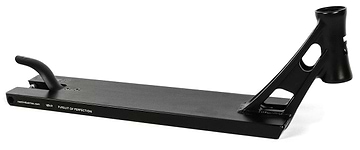



Why buy Street Scooter Decks?
How wide should a street deck be?
Common widths range from 5.0 to 6.0 inches. Wider decks provide more foot space and stability, making it easier to lock onto grinds. Choose based on your shoe size and riding preferences.
What length works for street riding?
Lengths from 20–23 inches offer a balance between manoeuvrability and stability. Shorter decks spin faster during tricks, while longer decks provide better control and landing platform.
Are boxed ends necessary?
Boxed ends create a flat surface for consistent grinds and prevent catching on rails. They also help distribute impact forces across the deck, enhancing durability.
How do headtube angles affect street decks?
Street decks often have headtube angles around 83.5–84.5 degrees, providing stability and responsiveness for manuals and nose blunts. Steeper angles (85+) spin faster but may feel less stable.
Can I use a street deck for park?
Yes, but it may feel heavier and slower on aerial tricks. If you ride both street and park, a hybrid deck around 5.25–5.5 inches may be a versatile option.
How should I maintain a street deck?
Check for cracks around the headtube and welds. Rotate wheels, tighten axle bolts, and replace the brake if it wears down. Avoid dropping the deck from excessive heights without landing properly to reduce stress.
Do street decks come with brakes or fenders?
Most come with a flex fender brake or fender. You can often replace them with aftermarket options to suit your style—fenders allow more foot clearance for tricks without brake interference.
How wide should a street deck be?
How wide should a street deck be?
Common widths range from 5.0 to 6.0 inches. Wider decks provide more foot space and stability, making it easier to lock onto grinds. Choose based on your shoe size and riding preferences.
What length works for street riding?
What length works for street riding?
Lengths from 20–23 inches offer a balance between manoeuvrability and stability. Shorter decks spin faster during tricks, while longer decks provide better control and landing platform.
Are boxed ends necessary?
Are boxed ends necessary?
Boxed ends create a flat surface for consistent grinds and prevent catching on rails. They also help distribute impact forces across the deck, enhancing durability.
How do headtube angles affect street decks?
How do headtube angles affect street decks?
Street decks often have headtube angles around 83.5–84.5 degrees, providing stability and responsiveness for manuals and nose blunts. Steeper angles (85+) spin faster but may feel less stable.
Can I use a street deck for park?
Can I use a street deck for park?
Yes, but it may feel heavier and slower on aerial tricks. If you ride both street and park, a hybrid deck around 5.25–5.5 inches may be a versatile option.
How should I maintain a street deck?
How should I maintain a street deck?
Check for cracks around the headtube and welds. Rotate wheels, tighten axle bolts, and replace the brake if it wears down. Avoid dropping the deck from excessive heights without landing properly to reduce stress.
Do street decks come with brakes or fenders?
Do street decks come with brakes or fenders?
Most come with a flex fender brake or fender. You can often replace them with aftermarket options to suit your style—fenders allow more foot clearance for tricks without brake interference.


