
-

 SALE Save 8%
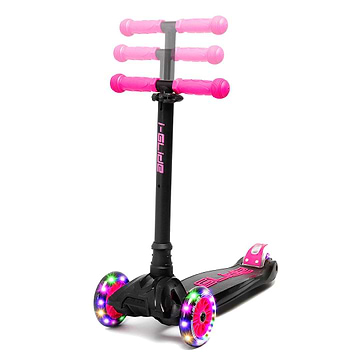
i-Glide 3-Wheel LED Kids Scooter - Black/Pink
Save 8% SALERegular price £54.95Regular priceUnit price / per£59.95Sale price £54.95Sale -

 SALE Save 8%
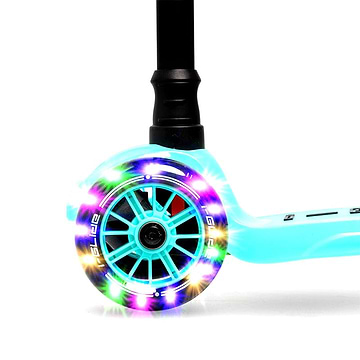
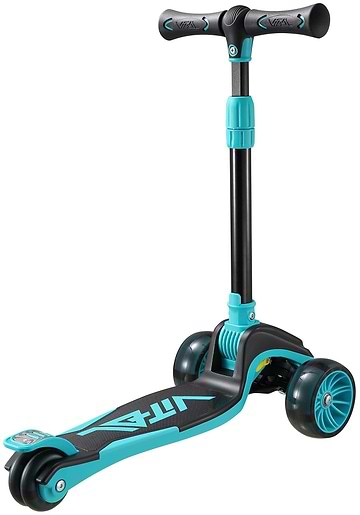
i-Glide 3-Wheel LED Kids Scooter - Aqua
Save 8% SALERegular price £54.95Regular priceUnit price / per£59.95Sale price £54.95Sale -

 SALE Save 60%
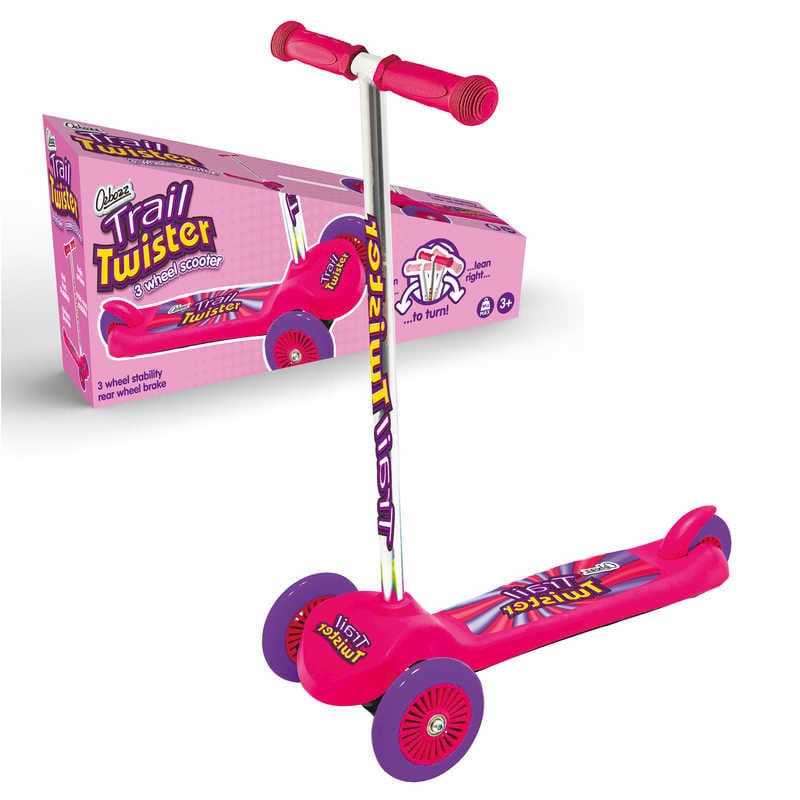
Ozbozz Trail Twist V4 Kids Tri-Scooter - Pink
Save 60% SALERegular price £11.95Regular priceUnit price / per£29.95Sale price £11.95Sale -
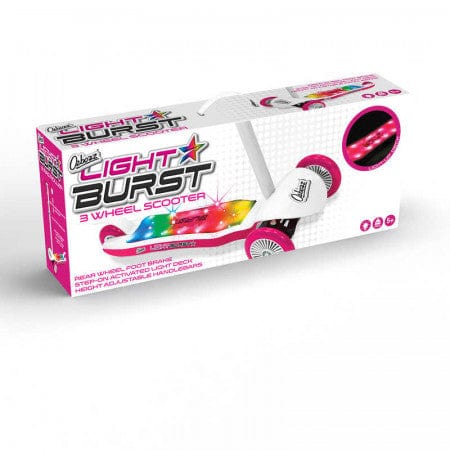
Ozbozz Light Burst Light Up Kids Tri-Scooter - Pink / White
Save 44% SALERegular price £24.95Regular priceUnit price / per£44.95Sale price £24.95Sale -

 SALE Save 30%
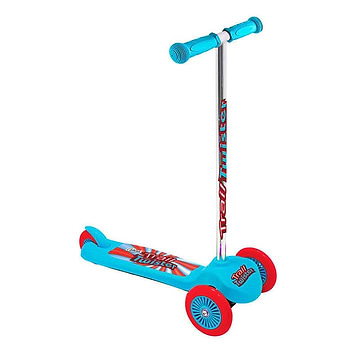
Ozbozz Trail Twist V4 Kids Tri-Scooter - Blue
Save 30% SALERegular price £20.90Regular priceUnit price / per£29.95Sale price £20.90Sale -
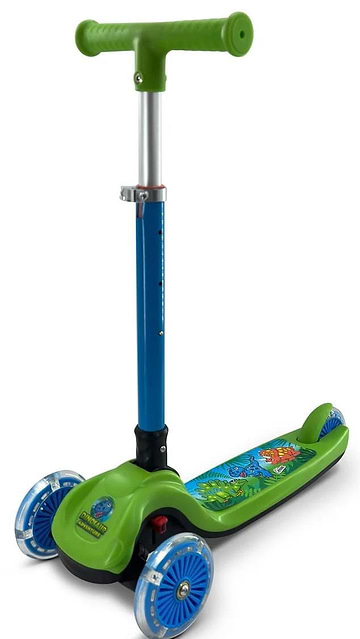
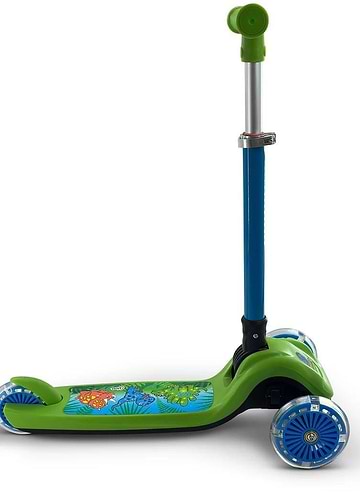
Ozbozz Dinosaur Trail Twist LED Kids Tri Scooter - Blue / Green
Regular price £24.95Regular priceUnit price / per£24.95Sale price £24.95 -
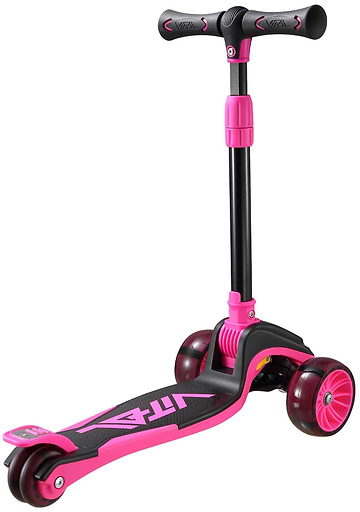
Vital Tyke 3 Wheel Kids Scooter - Pink
Regular price £64.95Regular priceUnit price / per -
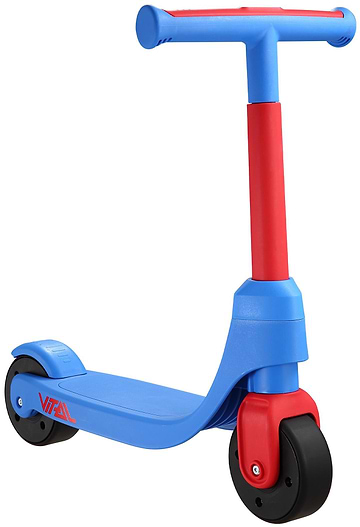
Vital First Kids Scooter - Red / Blue
Regular price £34.95Regular priceUnit price / per -
Zycom C100 Mini Cruz Complete Scooter - Purple / Turquoise
SALERegular price £49.95Regular priceUnit price / per£49.99Sale price £49.95Sale -
Ozbozz Unicorn Bubble Kids Tri Scooter - Pink / White
Regular price £29.95Regular priceUnit price / per£29.95Sale price £29.95 -
Vital Tyke 3 Wheel Kids Scooter - Red
Regular price £64.95Regular priceUnit price / per -
Zycom C100 Mini Cruz Complete Scooter - Blue / Pink
Regular price £29.95Regular priceUnit price / per -
 SALE Save 40%
Zycom C100 Mini Cruz Complete Scooter - Pink / Lime
Save 40% SALERegular price £29.95Regular priceUnit price / per£49.95Sale price £29.95Sale -
 SALE Save 40%
Zycom C100 Mini Cruz Complete Scooter - Lime / Pink
Save 40% SALERegular price £29.95Regular priceUnit price / per£49.99Sale price £29.95Sale -
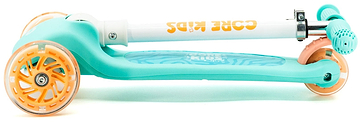
CORE Foldy 3 Wheel Kids Scooter - Teal / Peach
Regular price £34.95Regular priceUnit price / per£34.95Sale price £34.95 -
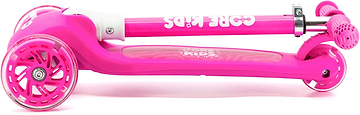
CORE Foldy 3 Wheel Kids Scooter - Pink
Regular price £34.95Regular priceUnit price / per£34.95Sale price £34.95 -
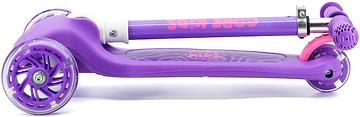
CORE Foldy 3 Wheel Kids Scooter - Purple
Regular price £34.95Regular priceUnit price / per£34.95Sale price £34.95 -
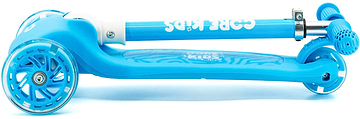
CORE Foldy 3 Wheel Kids Scooter - Blue
Regular price £34.95Regular priceUnit price / per£34.95Sale price £34.95 -
Ozbozz Dinosaur Bubble Kids Tri Scooter - Blue / Green
Regular price £29.95Regular priceUnit price / per£29.95Sale price £29.95 -
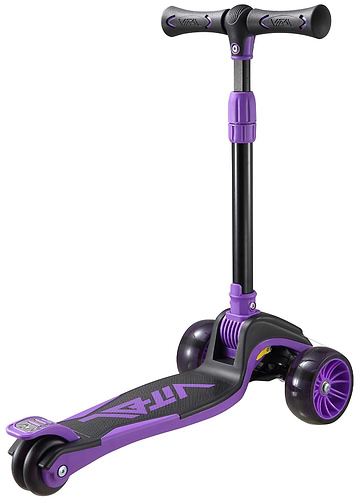
Vital Tyke 3 Wheel Kids Scooter - Purple
Regular price £64.95Regular priceUnit price / per -
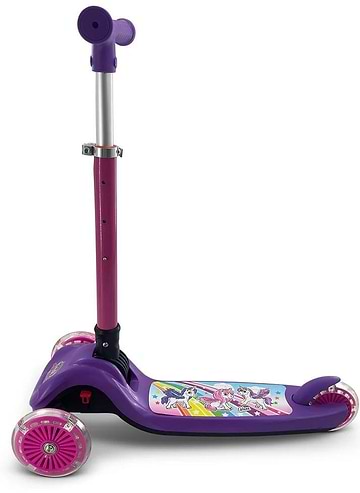
Ozbozz Unicorn Trail Twist LED Kids Tri Scooter - Purple / Pink
Regular price £24.95Regular priceUnit price / per£24.95Sale price £24.95 -
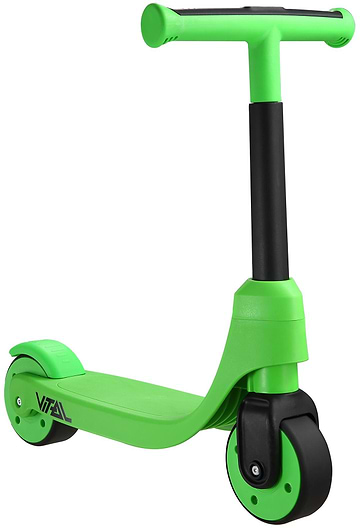
Vital First Kids Scooter - Green / Black
Regular price £34.95Regular priceUnit price / per -
Vital Tyke 3 Wheel Kids Scooter - Teal
Regular price £64.95Regular priceUnit price / per -
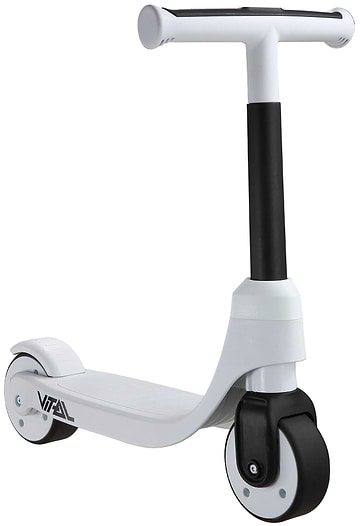
Vital First Kids Scooter - White / Black
Regular price £34.95Regular priceUnit price / per -
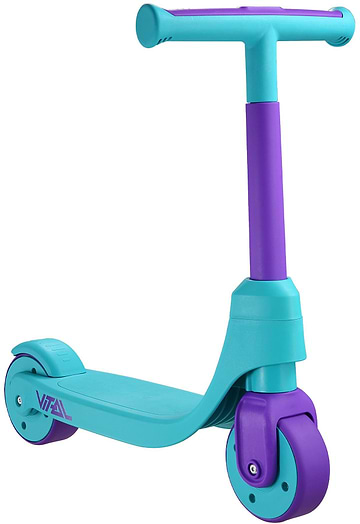
Vital First Kids Scooter - Teal / Purple
Regular price £34.95Regular priceUnit price / per -
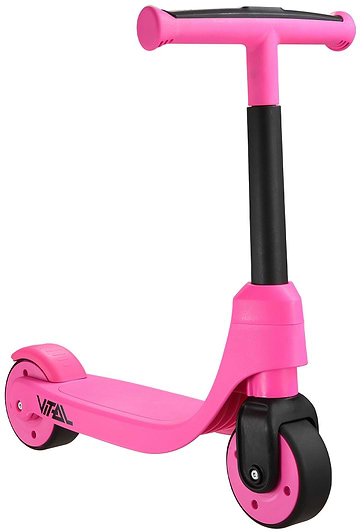
Vital First Kids Scooter - Pink / Black
Regular price £34.95Regular priceUnit price / per


















Why buy 3 Wheeled Scooters?
What’s the maximum weight?
Weight limits vary, but most three-wheeled scooters support 20–50 kg. Higher-end models may support up to 70 kg, accommodating older children or lighter adults. Always check weight ratings to avoid damaging the scooter.
Are there foldable three-wheeled scooters?
Some lean-to-steer scooters offer folding stems for easier transport. However, many are fixed for maximum stability and durability. If portability is essential, choose a model designed specifically for folding.
How does lean-to-steer work?
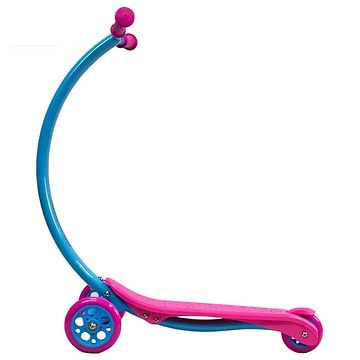
Riders tilt the handlebars and deck in the direction they want to turn, causing the wheels to pivot accordingly. This motion encourages weight transfer and helps children develop balancing skills more naturally than turning handlebars.
How do I choose between plastic and metal frames?
Plastic frames are lighter and more affordable, suitable for toddlers. Metal frames (aluminium or steel) add durability and can handle heavier children. If you plan to use the scooter on rough surfaces or for multiple children, choose a metal frame.
Do three-wheeled scooters have adjustable handlebars?
Many do. Adjustable handlebars extend the scooter’s life by accommodating a child’s growth. Models without adjustable bars may suit toddlers but become too short for older children.
Can I replace the wheels?
Generally yes. Light-up wheels and standard polyurethane wheels are replaceable. Check the wheel diameter and width before purchasing replacements, and ensure the axle fits the new wheels.
What age is appropriate to transition to a two-wheeled scooter?
Most children switch around age 5–6, after they’ve developed balance and coordination. However, each child is different. Once they ride confidently without relying on the third wheel for stability, they may be ready for a two-wheeled scooter.
What’s the maximum weight?
What’s the maximum weight?
Weight limits vary, but most three-wheeled scooters support 20–50 kg. Higher-end models may support up to 70 kg, accommodating older children or lighter adults. Always check weight ratings to avoid damaging the scooter.
Are there foldable three-wheeled scooters?
Are there foldable three-wheeled scooters?
Some lean-to-steer scooters offer folding stems for easier transport. However, many are fixed for maximum stability and durability. If portability is essential, choose a model designed specifically for folding.
How does lean-to-steer work?
How does lean-to-steer work?
Riders tilt the handlebars and deck in the direction they want to turn, causing the wheels to pivot accordingly. This motion encourages weight transfer and helps children develop balancing skills more naturally than turning handlebars.
How do I choose between plastic and metal frames?
How do I choose between plastic and metal frames?
Plastic frames are lighter and more affordable, suitable for toddlers. Metal frames (aluminium or steel) add durability and can handle heavier children. If you plan to use the scooter on rough surfaces or for multiple children, choose a metal frame.
Do three-wheeled scooters have adjustable handlebars?
Do three-wheeled scooters have adjustable handlebars?
Many do. Adjustable handlebars extend the scooter’s life by accommodating a child’s growth. Models without adjustable bars may suit toddlers but become too short for older children.
Can I replace the wheels?
Can I replace the wheels?
Generally yes. Light-up wheels and standard polyurethane wheels are replaceable. Check the wheel diameter and width before purchasing replacements, and ensure the axle fits the new wheels.
What age is appropriate to transition to a two-wheeled scooter?
What age is appropriate to transition to a two-wheeled scooter?
Most children switch around age 5–6, after they’ve developed balance and coordination. However, each child is different. Once they ride confidently without relying on the third wheel for stability, they may be ready for a two-wheeled scooter.


