
-
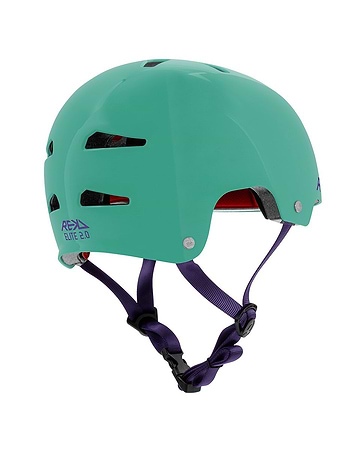
REKD Elite 2.0 Skate / Scooter Helmet - Gloss Teal
Regular price £39.95Regular priceUnit price / per£39.95Sale price £39.95 -

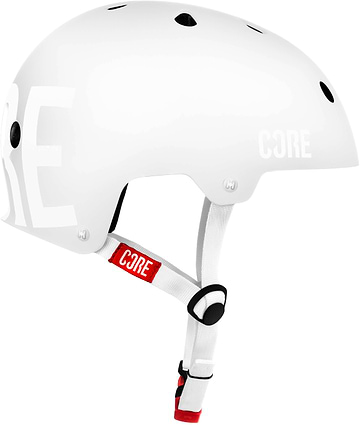 Extra Small / SmallSmall / MediumLarge / Extra Large
CORE Street Skate / Scooter Helmet - Stealth White
Regular price £40.00Regular priceUnit price / per£40.00Sale price £40.00 -
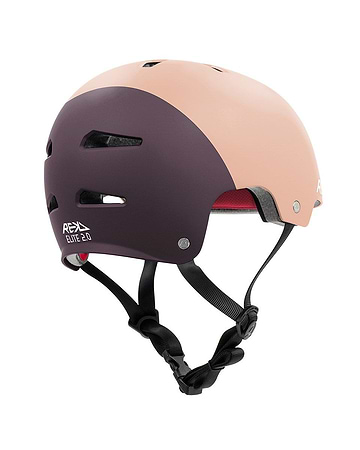
REKD Elite 2.0 Skate / Scooter Helmet - Peach / Purple
Regular price £39.95Regular priceUnit price / per£39.95Sale price £39.95 -

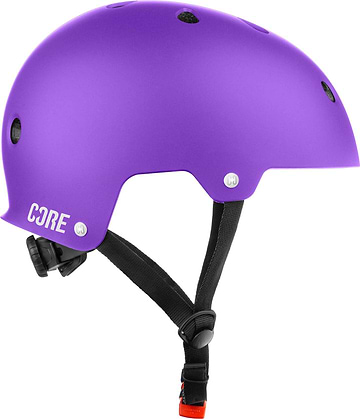 Extra Small / SmallSmall / MediumLarge / Extra Large
CORE Action Sports Skate / Scooter Helmet - Purple
Regular price £30.00Regular priceUnit price / per£30.00Sale price £30.00 -

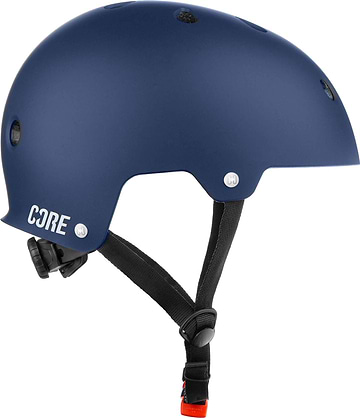 Extra Small / SmallSmall / MediumLarge / Extra Large
CORE Action Sports Skate / Scooter Helmet - Navy Blue
Regular price £30.00Regular priceUnit price / per£30.00Sale price £30.00 -

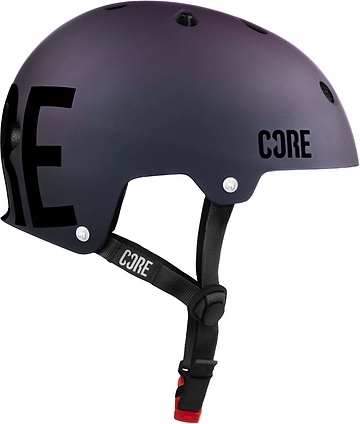 Extra Small / SmallSmall / MediumLarge / Extra Large
CORE Street Skate / Scooter Helmet - Neo / Black
Regular price £50.00Regular priceUnit price / per£50.00Sale price £50.00 -
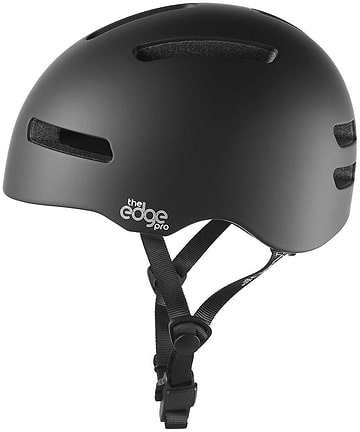
GAIN Protection The Edge Pro Skate / Scooter Helmet - Black
Save 8%Regular price £59.95Regular priceUnit price / per£64.95Sale price £59.95Sale -
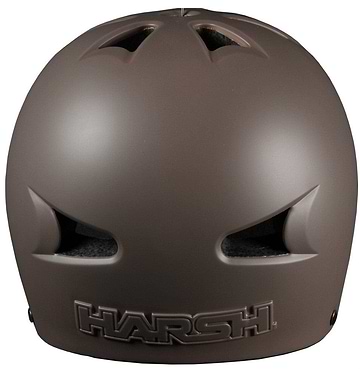
Harsh EPS Skate / Scooter Helmet - Bronze
Save 7%Regular price £26.95Regular priceUnit price / per£28.95Sale price £26.95Sale




Why buy Adult Helmets?
How do I find the right size?
Measure around your head at eyebrow level. Match the measurement to the manufacturer’s sizing chart. Use the helmet’s retention system (dial or straps) to fine-tune. The helmet should sit level and not rock forward or backward.
Do adult helmets have certifications?
Yes. Look for CE EN 1078, CPSC or ASTM certifications. Some helmets are dual-certified for biking and skating. Certifications indicate the helmet meets testing standards for impact absorption and strap retention.
What features should I consider?
Ventilation keeps your head cool; more vents mean better airflow. Retention systems (dials, ratchets or elastic bands) allow you to adjust fit quickly. Removable pads and washable liners keep the helmet fresh. Visors provide shade and additional facial protection in mountain biking and commuting.
When should I replace my helmet?
Replace it after any hard impact or every five years. The expanded polystyrene (EPS) foam degrades over time and loses its protective qualities. Even if you don’t see visible damage, micro-cracks can compromise safety.
Can I use one helmet for multiple sports?
Many skate-style helmets meet biking and skating certifications. However, road helmets aren’t recommended for skating due to less rear coverage. Check the certification and design to ensure appropriate use.
Are MIPS helmets necessary?
MIPS (Multi-directional Impact Protection System) helmets feature an inner liner that reduces rotational forces in angled impacts. They can offer extra protection, especially for riders at higher risk of crashes. Consider MIPS if you ride aggressively or frequently.
How do I clean an adult helmet?
Hand wash removable pads and let them air dry. Wipe the shell with a damp cloth. Avoid using solvents or harsh chemicals that can weaken the helmet material.
How do I find the right size?
How do I find the right size?
Measure around your head at eyebrow level. Match the measurement to the manufacturer’s sizing chart. Use the helmet’s retention system (dial or straps) to fine-tune. The helmet should sit level and not rock forward or backward.
Do adult helmets have certifications?
Do adult helmets have certifications?
Yes. Look for CE EN 1078, CPSC or ASTM certifications. Some helmets are dual-certified for biking and skating. Certifications indicate the helmet meets testing standards for impact absorption and strap retention.
What features should I consider?
What features should I consider?
Ventilation keeps your head cool; more vents mean better airflow. Retention systems (dials, ratchets or elastic bands) allow you to adjust fit quickly. Removable pads and washable liners keep the helmet fresh. Visors provide shade and additional facial protection in mountain biking and commuting.
When should I replace my helmet?
When should I replace my helmet?
Replace it after any hard impact or every five years. The expanded polystyrene (EPS) foam degrades over time and loses its protective qualities. Even if you don’t see visible damage, micro-cracks can compromise safety.
Can I use one helmet for multiple sports?
Can I use one helmet for multiple sports?
Many skate-style helmets meet biking and skating certifications. However, road helmets aren’t recommended for skating due to less rear coverage. Check the certification and design to ensure appropriate use.
Are MIPS helmets necessary?
Are MIPS helmets necessary?
MIPS (Multi-directional Impact Protection System) helmets feature an inner liner that reduces rotational forces in angled impacts. They can offer extra protection, especially for riders at higher risk of crashes. Consider MIPS if you ride aggressively or frequently.
How do I clean an adult helmet?
How do I clean an adult helmet?
Hand wash removable pads and let them air dry. Wipe the shell with a damp cloth. Avoid using solvents or harsh chemicals that can weaken the helmet material.


