
-
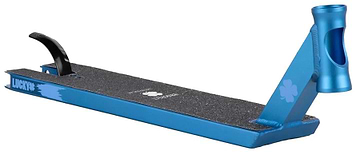
Lucky Prospect Limited Edition Royal Blue Stunt Scooter Deck - 5" x 20"
Regular price £124.95Regular priceUnit price / per£124.95Sale price £124.95 -
Lucky Prospect 2022 XL Matte Black Stunt Scooter Deck - 5.3" x 22"
Save 19% SALERegular price £108.97Regular priceUnit price / per£134.95Sale price £108.97Sale -
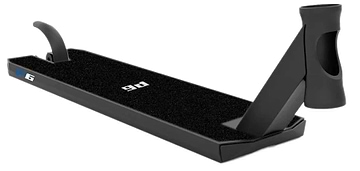
Lucky Prospect P6 Pro Black Stunt Scooter Deck - 6" x 22"
Regular price £124.95Regular priceUnit price / per£124.95Sale price £124.95 -
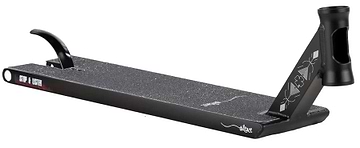
Lucky Chris Farris Signature V1 Black Stunt Scooter Deck - 6" x 22"
Regular price £124.95Regular priceUnit price / per£124.95Sale price £124.95




Why buy Lucky Pro Scooter Decks?
What widths and lengths are available?
Prospect decks measure around 4.5 inches wide and 19.5–20 inches long. Covenant decks come in widths up to 5.5 inches and lengths around 21.5–22 inches. Axis decks can be as wide as 5.0–5.5 inches with lengths up to 22 inches, providing extra space for foot placement.
What headtube angles do Lucky decks use?
Most Lucky decks have an 82.5–83.5° headtube angle. This angle supports responsive bar spins and tail whips while maintaining enough stability for manuals. Wider models may employ slightly shallower angles for better control on grinds.
Are Lucky decks light?
Yes. The Prospect deck weighs around 1.3 kg, while the Covenant is slightly heavier due to its size. Lucky uses butted tubing and extruded headtubes to remove excess material without sacrificing strength.
Do they come with brakes or fenders?
Yes. Lucky decks include a fitted flex brake or fender, depending on the model. You can replace them with aftermarket brakes or fenders, ensuring compatibility with the deck’s mounting holes and wheel size.
What wheels fit Lucky decks?
Most models support 110–120 mm wheels with standard 24 mm cores. The Axis deck sometimes allows up to 125 mm wheels, but check the deck clearance and brake fit.
Who should choose Lucky decks?
Intermediate to advanced riders looking for reliable performance and durability. Beginners may opt for narrower decks, while street riders will appreciate the Axis or wider Covenant for grinds and manuals.
How do I maintain a Lucky deck?
Inspect welds for cracks, tighten the axle and brake bolts regularly, clean dirt from the deck cutout and avoid prolonged exposure to moisture. Proper care extends the life of high-performance decks.
What widths and lengths are available?
What widths and lengths are available?
Prospect decks measure around 4.5 inches wide and 19.5–20 inches long. Covenant decks come in widths up to 5.5 inches and lengths around 21.5–22 inches. Axis decks can be as wide as 5.0–5.5 inches with lengths up to 22 inches, providing extra space for foot placement.
What headtube angles do Lucky decks use?
What headtube angles do Lucky decks use?
Most Lucky decks have an 82.5–83.5° headtube angle. This angle supports responsive bar spins and tail whips while maintaining enough stability for manuals. Wider models may employ slightly shallower angles for better control on grinds.
Are Lucky decks light?
Are Lucky decks light?
Yes. The Prospect deck weighs around 1.3 kg, while the Covenant is slightly heavier due to its size. Lucky uses butted tubing and extruded headtubes to remove excess material without sacrificing strength.
Do they come with brakes or fenders?
Do they come with brakes or fenders?
Yes. Lucky decks include a fitted flex brake or fender, depending on the model. You can replace them with aftermarket brakes or fenders, ensuring compatibility with the deck’s mounting holes and wheel size.
What wheels fit Lucky decks?
What wheels fit Lucky decks?
Most models support 110–120 mm wheels with standard 24 mm cores. The Axis deck sometimes allows up to 125 mm wheels, but check the deck clearance and brake fit.
Who should choose Lucky decks?
Who should choose Lucky decks?
Intermediate to advanced riders looking for reliable performance and durability. Beginners may opt for narrower decks, while street riders will appreciate the Axis or wider Covenant for grinds and manuals.
How do I maintain a Lucky deck?
How do I maintain a Lucky deck?
Inspect welds for cracks, tighten the axle and brake bolts regularly, clean dirt from the deck cutout and avoid prolonged exposure to moisture. Proper care extends the life of high-performance decks.


