
-
Lucky Cody Flom Signature Complete Stunt Scooter - Silver
Save 29% SALERegular price £169.95Regular priceUnit price / per£239.95Sale price £169.95Sale -
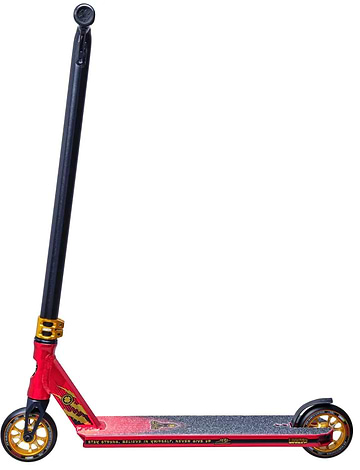
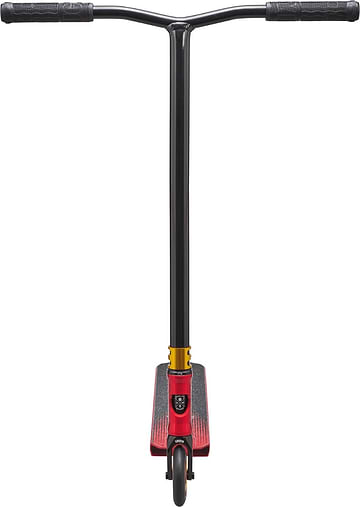
Lucky Jon Marco Gaydos Signature Stunt Scooter - Red / Gold / Black
Save 24%Regular price £171.95Regular priceUnit price / per£225.95Sale price £171.95Sale -
Lucky Jon Marco Gaydos JMG Signature Complete Stunt Scooter - Red
Save 11%Regular price £199.95Regular priceUnit price / per£224.95Sale price £199.95Sale -
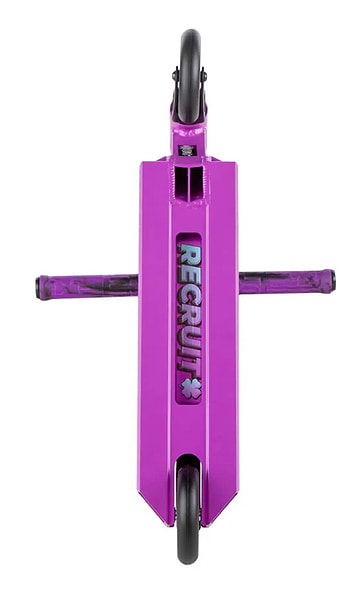
Lucky Recruit 2025 Complete Stunt Scooter - Motion Purple
Save 26% SALERegular price £99.95Regular priceUnit price / per£134.95Sale price £99.95Sale





Why buy Lucky Pro Stunt Scooters?
Which Lucky scooter is best for beginners?
The Lucky Crew is an excellent entry‑level complete, featuring a smaller deck and lightweight aluminium bars that are easy to manoeuvre. It offers a smooth ride while providing room to grow into trick riding.
What is the difference between the Prospect and Covenant?
The Prospect is a park‑oriented scooter with a lighter, narrower deck and 110 mm wheels. The Covenant is more versatile, offering a wider deck and compatibility with 120 mm wheels for improved stability during street riding.
Do Lucky scooters use SCS or IHC compression?
Higher‑end models like the Covenant and Axis use SCS compression for added strength, while entry‑level models like the Crew may use IHC for lighter weight and easy maintenance. Check the product details before purchasing.
Are Lucky parts interchangeable with other brands?
Most Lucky components adhere to standard industry sizing. You can mix and match bars, wheels and clamps, as long as you match the right diameters and compression types.
How should I care for a Lucky scooter?
Keep clamps tight, inspect the deck for cracks and check bearings for smooth rolling. Replace wheels when they become worn, and consider rotating them to extend their life.
Are there signature models?
Yes. Lucky collaborates with team riders like Tanner Fox and Jon Marco Gaydos to create signature decks and completes with custom graphics and specific dimensions.
How long do Lucky scooters last?
With proper care, Lucky scooters can last for years. However, frequent heavy tricks will eventually wear out wheels, bearings and grip tape. Budget for replacement parts to keep your ride in top shape.
Which Lucky scooter is best for beginners?
Which Lucky scooter is best for beginners?
The Lucky Crew is an excellent entry‑level complete, featuring a smaller deck and lightweight aluminium bars that are easy to manoeuvre. It offers a smooth ride while providing room to grow into trick riding.
What is the difference between the Prospect and Covenant?
What is the difference between the Prospect and Covenant?
The Prospect is a park‑oriented scooter with a lighter, narrower deck and 110 mm wheels. The Covenant is more versatile, offering a wider deck and compatibility with 120 mm wheels for improved stability during street riding.
Do Lucky scooters use SCS or IHC compression?
Do Lucky scooters use SCS or IHC compression?
Higher‑end models like the Covenant and Axis use SCS compression for added strength, while entry‑level models like the Crew may use IHC for lighter weight and easy maintenance. Check the product details before purchasing.
Are Lucky parts interchangeable with other brands?
Are Lucky parts interchangeable with other brands?
Most Lucky components adhere to standard industry sizing. You can mix and match bars, wheels and clamps, as long as you match the right diameters and compression types.
How should I care for a Lucky scooter?
How should I care for a Lucky scooter?
Keep clamps tight, inspect the deck for cracks and check bearings for smooth rolling. Replace wheels when they become worn, and consider rotating them to extend their life.
Are there signature models?
Are there signature models?
Yes. Lucky collaborates with team riders like Tanner Fox and Jon Marco Gaydos to create signature decks and completes with custom graphics and specific dimensions.
How long do Lucky scooters last?
How long do Lucky scooters last?
With proper care, Lucky scooters can last for years. However, frequent heavy tricks will eventually wear out wheels, bearings and grip tape. Budget for replacement parts to keep your ride in top shape.


