
-

 SALE Save 11%
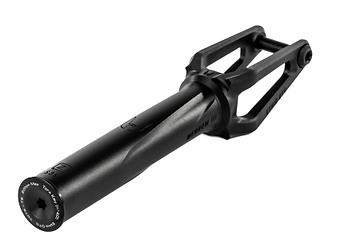
Ethic DTC Legion V2 HIC Stunt Scooter Forks - Black
Save 11% SALERegular price £44.45Regular priceUnit price / per£49.95Sale price £44.45Sale -

 SALE Save 13%
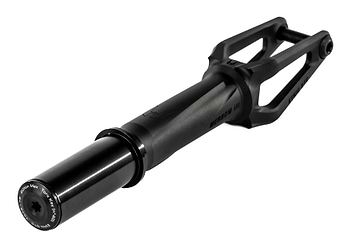
Ethic DTC Legion V2 IHC Stunt Scooter Forks - Black
Save 13% SALERegular price £43.45Regular priceUnit price / per£49.95Sale price £43.45Sale -

 SALE Save 15%
Ethic DTC Legion V2 SCS Stunt Scooter Forks - Black
Save 15% SALERegular price £42.45Regular priceUnit price / per£49.95Sale price £42.45Sale -

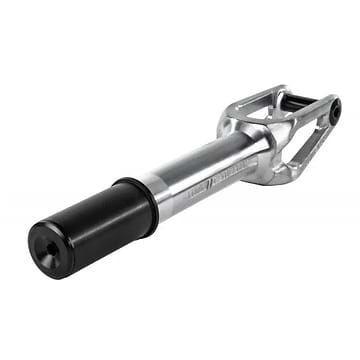 SALE Save 15%
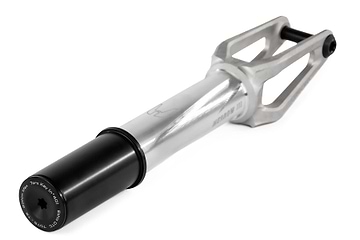
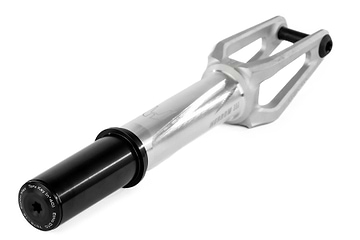
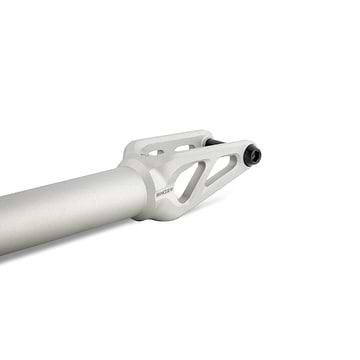
Ethic DTC Legion V2 IHC Stunt Scooter Forks - Raw Silver
Save 15% SALERegular price £42.45Regular priceUnit price / per£49.95Sale price £42.45Sale -

 SALE Save 15%
Ethic DTC Legion V2 SCS Stunt Scooter Forks - Raw Silver
Save 15% SALERegular price £42.45Regular priceUnit price / per£49.95Sale price £42.45Sale -
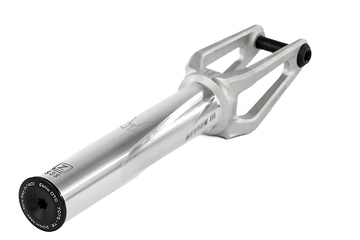
Ethic DTC Merrow V3 HIC Stunt Scooter Fork - Black
Save 6%Regular price £84.45Regular priceUnit price / per£89.95Sale price £84.45Sale -
Supremacy Spartan SCS/HIC Stunt Scooter Forks - Matte Black
Save 1% SALERegular price £44.45Regular priceUnit price / per£44.95Sale price £44.45Sale -

 SALE Save 25%
CORE SL2 IHC Stunt Scooter Forks - Black
Save 25% SALERegular price £52.45Regular priceUnit price / per£69.95Sale price £52.45Sale -

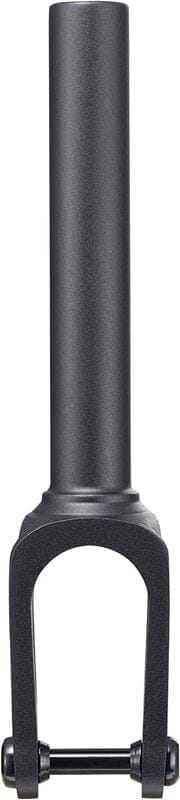 SALE Save 25%
Blunt Envy Diamond IHC Stunt Scooter Forks - Black
Save 25% SALERegular price £37.45Regular priceUnit price / per£49.95Sale price £37.45Sale -
Ethic DTC Merrow V3 SCS Stunt Scooter Fork - Black
Save 5%Regular price £85.45Regular priceUnit price / per£89.95Sale price £85.45Sale -
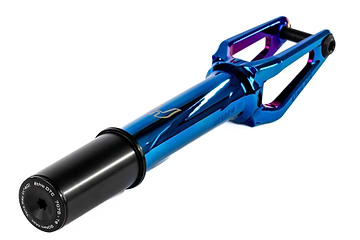
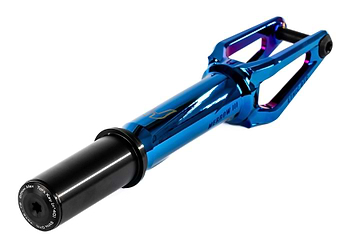
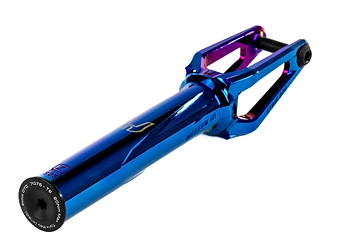
Ethic DTC Merrow V3 HIC Stunt Scooter Fork - Chrome Blue
Save 4%Regular price £86.45Regular priceUnit price / per£89.95Sale price £86.45Sale -
CORE Aura SCS/HIC Stunt Scooter Forks - Chrome
Save 8%Regular price £55.45Regular priceUnit price / per£59.95Sale price £55.45Sale -
Ethic DTC Merrow V3 HIC Stunt Scooter Fork - Raw Silver
Save 6%Regular price £84.45Regular priceUnit price / per£89.95Sale price £84.45Sale -
Ethic DTC Merrow V3 IHC Stunt Scooter Fork - Chrome Blue
Save 4%Regular price £86.45Regular priceUnit price / per£89.95Sale price £86.45Sale -
Ethic DTC Merrow V3 IHC Stunt Scooter Fork - Black
Save 6%Regular price £84.45Regular priceUnit price / per£89.95Sale price £84.45Sale -
Ethic DTC Merrow V3 IHC Stunt Scooter Fork - Raw Silver
Save 4%Regular price £86.45Regular priceUnit price / per£89.95Sale price £86.45Sale -
Ethic DTC Merrow V3 SCS Stunt Scooter Fork - Chrome Blue
Save 5%Regular price £85.45Regular priceUnit price / per£89.95Sale price £85.45Sale -
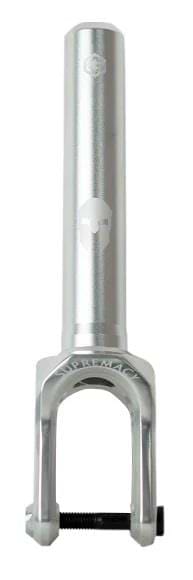
Supremacy Spartan SCS/HIC Stunt Scooter Forks - Chrome
Save 1%Regular price £44.45Regular priceUnit price / per£44.95Sale price £44.45Sale -

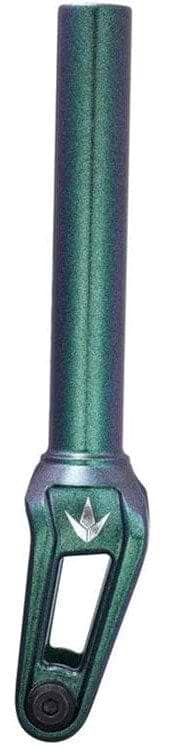 SALE Save 46%
Blunt Envy Declare V2 IHC Stunt Scooter Forks - Jade
Save 46% SALERegular price £29.45Regular priceUnit price / per£54.95Sale price £29.45Sale -
Apex Quantum Lite SCS/HIC Stunt Scooter Forks - Raw Silver
SALERegular price £119.45Regular priceUnit price / per£119.95Sale price £119.45Sale -
Ethic DTC Merrow V3 8/12STD IHC Stunt Scooter Forks - Black
Save 1%Regular price £86.45Regular priceUnit price / per£86.95Sale price £86.45Sale -
Root Industries AIR SCS/HIC Stunt Scooter Forks - Polished Chrome
Save 22% SALERegular price £54.45Regular priceUnit price / per£69.95Sale price £54.45Sale -
Ethic DTC Merrow V3 SCS Stunt Scooter Fork - Raw Silver
Save 5%Regular price £85.45Regular priceUnit price / per£89.95Sale price £85.45Sale -

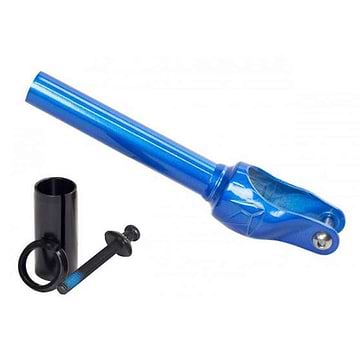 SALE Save 65%
Blunt Envy Colt IHC Stunt Scooter Forks - Trans Blue
Save 65% SALERegular price £10.45Regular priceUnit price / per£29.95Sale price £10.45Sale -
Ethic DTC Merrow V3 8/12STD HIC Stunt Scooter Forks - Black
Save 1%Regular price £86.45Regular priceUnit price / per£86.95Sale price £86.45Sale -
 SALE Save 26%
Revolution Mutiny IHC Stunt Scooter Fork - Chrome
Save 26% SALERegular price £44.45Regular priceUnit price / per£59.95Sale price £44.45Sale -
 SALE Save 15%
Root Industries AIR IHC Stunt Scooter Forks - Black
Save 15% SALERegular price £59.45Regular priceUnit price / per£69.95Sale price £59.45Sale -
 SALE Save 49%
Root Industries AIR IHC Stunt Scooter Forks - Gold
Save 49% SALERegular price £35.45Regular priceUnit price / per£69.95Sale price £35.45Sale -
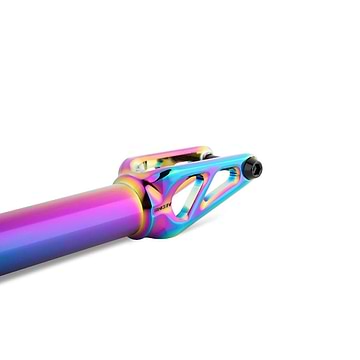
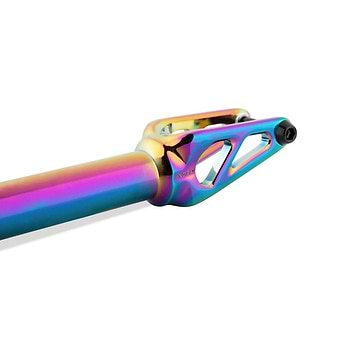
Blunt Envy Diamond IHC Stunt Scooter Forks - Oil Slick Neochrome
Save 25% SALERegular price £37.45Regular priceUnit price / per£49.95Sale price £37.45Sale -
Ethic DTC Merrow V3 8/12STD IHC Stunt Scooter Forks - Raw
Save 1%Regular price £86.45Regular priceUnit price / per£86.95Sale price £86.45Sale -
 SALE Save 29%
Root Industries AIR IHC Stunt Scooter Forks - Blu-Ray
Save 29% SALERegular price £49.45Regular priceUnit price / per£69.95Sale price £49.45Sale -
 SALE Save 46%
Dare Dimension SCS/HIC Stunt Scooter Forks - Gold
Save 46% SALERegular price £29.45Regular priceUnit price / per£54.95Sale price £29.45Sale -
Ethic DTC Merrow V3 8/12STD SCS Stunt Scooter Forks - Chrome Blue
Save 1%Regular price £86.45Regular priceUnit price / per£86.95Sale price £86.45Sale -
Blunt Envy Declare V2 IHC Stunt Scooter Forks - Oil Slick Neochrome
Save 19% SALERegular price £44.45Regular priceUnit price / per£54.95Sale price £44.45Sale -
Ethic DTC Merrow V3 8/12STD HIC Stunt Scooter Forks - Raw
Save 1%Regular price £86.45Regular priceUnit price / per£86.95Sale price £86.45Sale -
Drone Aeon 3 Feather-Light IHC Stunt Scooter Forks - Smoked Chrome
Save 14% SALERegular price £64.45Regular priceUnit price / per£74.95Sale price £64.45Sale -
Drone Aeon 3 Feather-Light SCS Stunt Scooter Forks - Silver
Save 8% SALERegular price £64.45Regular priceUnit price / per£69.95Sale price £64.45Sale -
Ethic DTC Merrow V3 8/12STD SCS Stunt Scooter Forks - Black
Save 1%Regular price £86.45Regular priceUnit price / per£86.95Sale price £86.45Sale -

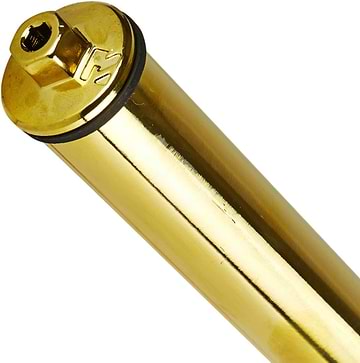 SALE Save 29%
Root Industries AIR SCS/HIC Stunt Scooter Forks - Gold
Save 29% SALERegular price £49.45Regular priceUnit price / per£69.95Sale price £49.45Sale -

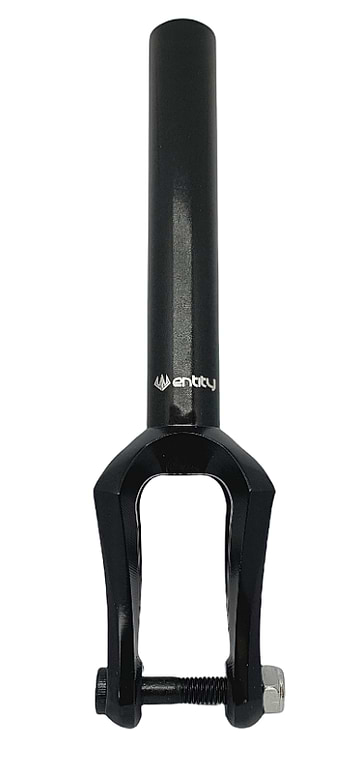 SALE Save 15%
Entity Era SCS/HIC Stunt Scooter Forks - Black
Save 15% SALERegular price £59.45Regular priceUnit price / per£69.95Sale price £59.45Sale -
 SALE Save 25%
Blunt Envy Colt IHC Stunt Scooter Forks - Trans Gold
Save 25% SALERegular price £22.45Regular priceUnit price / per£29.95Sale price £22.45Sale -
Drone Aeon 3 Feather-Light SCS Stunt Scooter Forks - Neochrome
Save 14% SALERegular price £64.45Regular priceUnit price / per£74.95Sale price £64.45Sale -

 SALE Save 12%
Lucky Huracan V2 SCS/HIC Stunt Scooter Fork - Neochrome
Save 12% SALERegular price £57.45Regular priceUnit price / per£64.95Sale price £57.45Sale -
Drone Aeon 3 Feather-Light IHC Stunt Scooter Forks - Neochrome
Save 14% SALERegular price £64.45Regular priceUnit price / per£74.95Sale price £64.45Sale



































Why buy Stunt Scooter Forks?
Which materials are used?
Aluminium forks offer a good balance of weight and strength, ideal for park riders. Steel forks are heavier but more durable for street riding. Titanium forks exist but are rare due to cost.
Do forks fit all wheels?
No. Ensure your fork supports your wheel’s diameter and width. Standard forks fit 100–110 mm wheels, while wide forks accommodate 115–125 mm wheels. Check the axle size and deck clearance.
How do I install a fork?
Press the headset bearings into the deck, slide the fork through the headtube, install the shim or compression system and attach the bars. Tighten compression bolts evenly for smooth rotation.
What is a crown race?
A crown race sits at the base of the fork and provides a smooth surface for the bearing. Many forks have an integrated crown race; otherwise, you need to install a separate race.
Can I use a HIC fork with IHC?
No. They’re different diameters. HIC forks have thicker steerer tubes for oversize bars, while IHC forks use smaller tubes for standard bars. Choose the fork that matches your compression system.
How do I maintain a fork?
Keep the headset clean and lubricated, inspect the steerer tube for cracks or dents and ensure axle bolts are tight. Replace the fork if it bends or shows stress cracks.
Do forks affect trick performance?
Lighter forks improve manoeuvrability for park tricks. Stronger forks provide confidence for heavy street landings. Choose based on your riding style and personal preferences.
Which materials are used?
Which materials are used?
Aluminium forks offer a good balance of weight and strength, ideal for park riders. Steel forks are heavier but more durable for street riding. Titanium forks exist but are rare due to cost.
Do forks fit all wheels?
Do forks fit all wheels?
No. Ensure your fork supports your wheel’s diameter and width. Standard forks fit 100–110 mm wheels, while wide forks accommodate 115–125 mm wheels. Check the axle size and deck clearance.
How do I install a fork?
How do I install a fork?
Press the headset bearings into the deck, slide the fork through the headtube, install the shim or compression system and attach the bars. Tighten compression bolts evenly for smooth rotation.
What is a crown race?
What is a crown race?
A crown race sits at the base of the fork and provides a smooth surface for the bearing. Many forks have an integrated crown race; otherwise, you need to install a separate race.
Can I use a HIC fork with IHC?
Can I use a HIC fork with IHC?
No. They’re different diameters. HIC forks have thicker steerer tubes for oversize bars, while IHC forks use smaller tubes for standard bars. Choose the fork that matches your compression system.
How do I maintain a fork?
How do I maintain a fork?
Keep the headset clean and lubricated, inspect the steerer tube for cracks or dents and ensure axle bolts are tight. Replace the fork if it bends or shows stress cracks.
Do forks affect trick performance?
Do forks affect trick performance?
Lighter forks improve manoeuvrability for park tricks. Stronger forks provide confidence for heavy street landings. Choose based on your riding style and personal preferences.


