
-
 SALE Save 94%
Dare Sports Mini Stunt Scooter Pegs - Black
Save 94% SALERegular price £0.45Regular priceUnit price / per£7.95Sale price £0.45Sale -
Blunt Envy Aluminium Stunt Scooter Pegs - Oil Slick Neochrome
Save 54% SALERegular price £6.95Regular priceUnit price / per£14.95Sale price £6.95Sale -
 SALE Save 21%
Revolution Aluminium Stunt Scooter Pegs - Black
Save 21% SALERegular price £14.95Regular priceUnit price / per£18.95Sale price £14.95Sale -
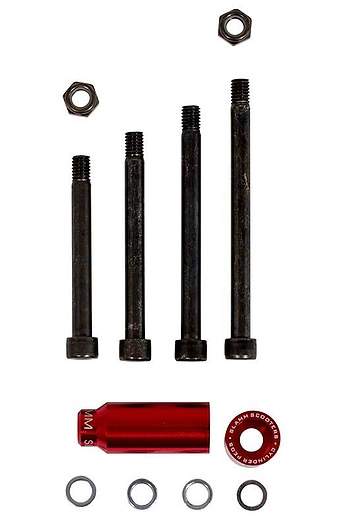
Slamm Cylinder Stunt Scooter Pegs - Red
Regular price £7.95Regular priceUnit price / per£7.95Sale price £7.95 -
 SALE Save 54%
Blunt Envy Aluminium Stunt Scooter Pegs - Chrome Silver
Save 54% SALERegular price £6.95Regular priceUnit price / per£14.95Sale price £6.95Sale -
 SALE Save 13%
Blunt Envy Aluminium Stunt Scooter Pegs - Black
Save 13% SALERegular price £12.95Regular priceUnit price / per£14.95Sale price £12.95Sale -
 SALE Save 60%
Ethic DTC Aluminium Stunt Scooter Pegs - Blue
Save 60% SALERegular price £9.95Regular priceUnit price / per£24.95Sale price £9.95Sale -
Blunt Envy Street Stunt Scooter Peg Oil Slick Neochrome - Front
Save 50% SALERegular price £6.95Regular priceUnit price / per£13.95Sale price £6.95Sale -
Blunt Envy Street Stunt Scooter Peg Oil Slick Neochrome - Back
Save 50% SALERegular price £6.95Regular priceUnit price / per£13.95Sale price £6.95Sale -
 SALE Save 46%
Blunt Envy Street Stunt Scooter Peg Chrome - Front
Save 46% SALERegular price £6.95Regular priceUnit price / per£12.95Sale price £6.95Sale -
 SALE Save 7%
Apex Bowie Aluminium Stunt Scooter Pegs - Black
Save 7% SALERegular price £27.95Regular priceUnit price / per£29.95Sale price £27.95Sale -
 SALE Save 54%
Blunt Envy Aluminium Stunt Scooter Pegs - Teal
Save 54% SALERegular price £6.95Regular priceUnit price / per£14.95Sale price £6.95Sale -
 SALE Save 60%
Ethic DTC Aluminium Stunt Scooter Pegs - Red
Save 60% SALERegular price £9.95Regular priceUnit price / per£24.95Sale price £9.95Sale -
 SALE Save 25%
Dare Sports Stunt Scooter Pegs - Black
Save 25% SALERegular price £14.95Regular priceUnit price / per£19.95Sale price £14.95Sale -
 SALE Save 46%
Blunt Envy Street Stunt Scooter Peg Black - Front
Save 46% SALERegular price £6.95Regular priceUnit price / per£12.95Sale price £6.95Sale -
 SALE Save 32%
Revolution Aluminium Stunt Scooter Pegs - Chrome
Save 32% SALERegular price £12.95Regular priceUnit price / per£18.95Sale price £12.95Sale -
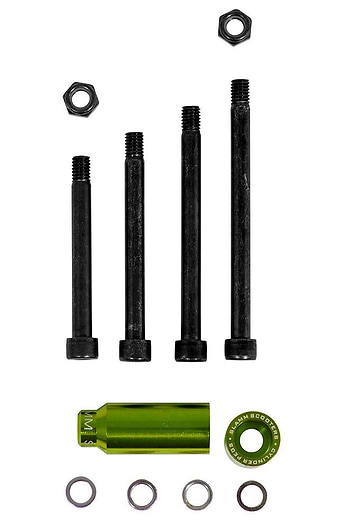
Slamm Cylinder Stunt Scooter Pegs - Green
Regular price £7.95Regular priceUnit price / per£7.95Sale price £7.95 -
 SALE Save 46%
Blunt Envy Street Stunt Scooter Peg Chrome - Back
Save 46% SALERegular price £6.95Regular priceUnit price / per£12.95Sale price £6.95Sale -
 SALE Save 33%
Apex Barnaynay Aluminium Stunt Scooter Pegs - Green
Save 33% SALERegular price £19.95Regular priceUnit price / per£29.95Sale price £19.95Sale -

 SALE Save 33%
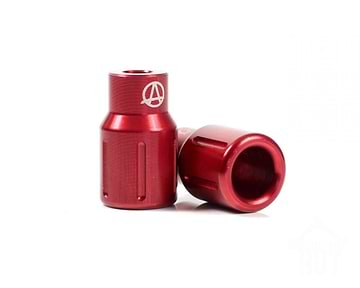
Apex Barnaynay Aluminium Stunt Scooter Pegs - Red
Save 33% SALERegular price £19.95Regular priceUnit price / per£29.95Sale price £19.95Sale




Why buy Scooter Pegs?
How do I install pegs?
Remove the axle bolt from your wheel, slide the peg over the axle, then insert a longer bolt through the wheel and into the fork or deck. Always use the correct bolt length to ensure secure installation.
Do I need pegs on both sides?
It depends on your riding style. Street riders often install two pegs on one side or four pegs to grind and stall from both sides. Park riders may use only rear pegs for specific tricks.
What length should I choose?
Shorter pegs (around 40 mm) reduce weight and avoid catching on obstacles, while longer pegs (up to 60 mm) offer more surface area for grinds. Beginners can start with standard-length pegs and experiment as skills progress.
Can pegs damage my scooter?
If installed incorrectly or used excessively on rough surfaces, pegs may stress the fork or deck. Choose pegs designed for your scooter’s axle type and avoid overtightening bolts.
Are axle adapters necessary?
Some pegs come with spacers or adapters. These ensure the peg sits flush against the deck or fork, preventing wobble. Check the product description to see if adapters are included or sold separately.
Do pegs interfere with tailwhips?
Extra weight and length can affect tailwhip speed, especially for beginners. Practice to adjust your technique. If tailwhips are a priority, consider shorter, lightweight aluminium pegs.
How should I maintain pegs?
Inspect pegs for cracks or wear, and replace them if they grind through. Keep bolts tight and avoid hitting obstacles at extreme angles, which can bend or snap pegs.
How do I install pegs?
How do I install pegs?
Remove the axle bolt from your wheel, slide the peg over the axle, then insert a longer bolt through the wheel and into the fork or deck. Always use the correct bolt length to ensure secure installation.
Do I need pegs on both sides?
Do I need pegs on both sides?
It depends on your riding style. Street riders often install two pegs on one side or four pegs to grind and stall from both sides. Park riders may use only rear pegs for specific tricks.
What length should I choose?
What length should I choose?
Shorter pegs (around 40 mm) reduce weight and avoid catching on obstacles, while longer pegs (up to 60 mm) offer more surface area for grinds. Beginners can start with standard-length pegs and experiment as skills progress.
Can pegs damage my scooter?
Can pegs damage my scooter?
If installed incorrectly or used excessively on rough surfaces, pegs may stress the fork or deck. Choose pegs designed for your scooter’s axle type and avoid overtightening bolts.
Are axle adapters necessary?
Are axle adapters necessary?
Some pegs come with spacers or adapters. These ensure the peg sits flush against the deck or fork, preventing wobble. Check the product description to see if adapters are included or sold separately.
Do pegs interfere with tailwhips?
Do pegs interfere with tailwhips?
Extra weight and length can affect tailwhip speed, especially for beginners. Practice to adjust your technique. If tailwhips are a priority, consider shorter, lightweight aluminium pegs.
How should I maintain pegs?
How should I maintain pegs?
Inspect pegs for cracks or wear, and replace them if they grind through. Keep bolts tight and avoid hitting obstacles at extreme angles, which can bend or snap pegs.


