
-
 SALE Save 10%
Skates.co.uk ABEC 9 Black Scooter Bearings - 4 Pack
Save 10% SALERegular price £4.45Regular priceUnit price / per£4.95Sale price £4.45Sale -
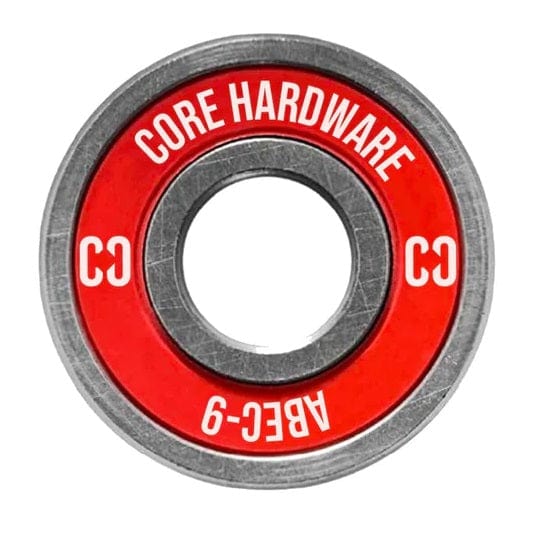
CORE ABEC 9 Scooter Bearings - 4 Pack
Regular price £5.95Regular priceUnit price / per£5.95Sale price £5.95 -
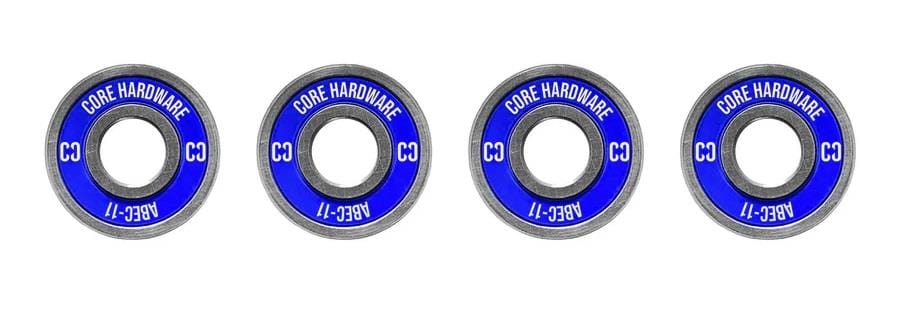
CORE ABEC 11 Scooter Bearings - 4 Pack
Save 6%Regular price £7.50Regular priceUnit price / per£7.95Sale price £7.50Sale -

 SALE Save 23%
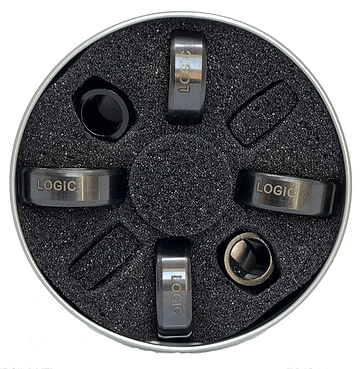
Logic ABEC 11 Black Scooter Bearings - 4 Pack
Save 23% SALERegular price £9.95Regular priceUnit price / per£12.95Sale price £9.95Sale -
Madd Gear MGP K-2 ABEC 9 Pink Scooter Bearings - 4 Pack
Save 4%Regular price £11.45Regular priceUnit price / per£11.95Sale price £11.45Sale -
Blunt Envy ABEC 9 Scooter Bearings - 4 Pack
Save 20%Regular price £11.95Regular priceUnit price / per£14.95Sale price £11.95Sale -
River Flash Floods ABEC 7 Scooter Bearings - 4 Pack
Regular price £14.95Regular priceUnit price / per£14.95Sale price £14.95 -

 SALE Save 39%
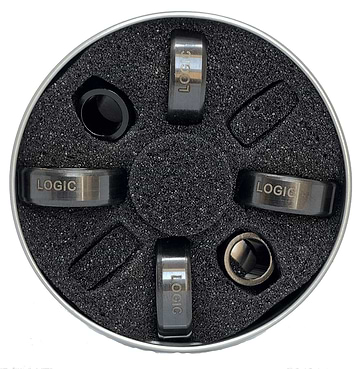
Logic ABEC 11 Multi Colour Scooter Bearings - 4 Pack
Save 39% SALERegular price £7.95Regular priceUnit price / per£12.95Sale price £7.95Sale -

 SALE Save 23%
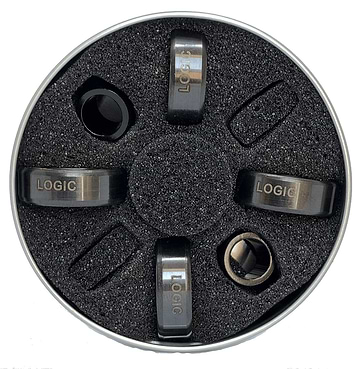
Logic ABEC 11 Orange Scooter Bearings - 4 Pack
Save 23% SALERegular price £9.95Regular priceUnit price / per£12.95Sale price £9.95Sale





Why buy Stunt Scooter Bearings?
What are high-load bearings?
High-load bearings are built with thicker races and reinforced cages. They handle the radial and axial forces generated by hard landings and tricks. These bearings trade a small amount of speed for durability, making them ideal for street riders or heavier riders.
How often should I service scooter bearings?
If you ride daily, clean and lubricate bearings every month. In dusty or wet conditions, service them more frequently. Occasional riders can clean bearings every few months. Regular maintenance prevents dirt buildup and slows wear.
Are ceramic bearings good for stunt scooters?
Ceramic or hybrid bearings reduce rolling resistance and maintain speed. They’re great for park riders who prioritise smooth rotations and precise tricks. However, pure ceramics can be brittle under huge impacts, so many riders opt for hybrid steel/ceramic bearings.
How do I remove the bearings from a scooter wheel?
Remove the axle bolt and wheel, then use a bearing tool or axle to gently pry out the bearings. Place one side of the bearing on the axle, tilt the wheel to one side and wiggle the bearing free. Repeat for the second bearing.
Should I use bearing spacers?
Yes. Bearing spacers prevent overtightening and ensure even pressure on the inner race. Without spacers, bearings can deform or bind, causing wheels to slow and wear unevenly.
Do ABEC ratings matter for scooters?
They matter less than for skateboards. Many scooter-specific bearings use proprietary ratings emphasising durability over speed. Focus on build quality and sealing rather than ABEC numbers.
Can I mix ceramic and steel bearings on a scooter?
It’s best to keep all bearings consistent. Different materials can spin at different speeds and respond differently to impacts, potentially leading to uneven wear or handling.
What are high-load bearings?
What are high-load bearings?
High-load bearings are built with thicker races and reinforced cages. They handle the radial and axial forces generated by hard landings and tricks. These bearings trade a small amount of speed for durability, making them ideal for street riders or heavier riders.
How often should I service scooter bearings?
How often should I service scooter bearings?
If you ride daily, clean and lubricate bearings every month. In dusty or wet conditions, service them more frequently. Occasional riders can clean bearings every few months. Regular maintenance prevents dirt buildup and slows wear.
Are ceramic bearings good for stunt scooters?
Are ceramic bearings good for stunt scooters?
Ceramic or hybrid bearings reduce rolling resistance and maintain speed. They’re great for park riders who prioritise smooth rotations and precise tricks. However, pure ceramics can be brittle under huge impacts, so many riders opt for hybrid steel/ceramic bearings.
How do I remove the bearings from a scooter wheel?
How do I remove the bearings from a scooter wheel?
Remove the axle bolt and wheel, then use a bearing tool or axle to gently pry out the bearings. Place one side of the bearing on the axle, tilt the wheel to one side and wiggle the bearing free. Repeat for the second bearing.
Should I use bearing spacers?
Should I use bearing spacers?
Yes. Bearing spacers prevent overtightening and ensure even pressure on the inner race. Without spacers, bearings can deform or bind, causing wheels to slow and wear unevenly.
Do ABEC ratings matter for scooters?
Do ABEC ratings matter for scooters?
They matter less than for skateboards. Many scooter-specific bearings use proprietary ratings emphasising durability over speed. Focus on build quality and sealing rather than ABEC numbers.
Can I mix ceramic and steel bearings on a scooter?
Can I mix ceramic and steel bearings on a scooter?
It’s best to keep all bearings consistent. Different materials can spin at different speeds and respond differently to impacts, potentially leading to uneven wear or handling.


