
Skateboard Deck Buying Guide – How to Choose the Right Board for You
Whether you’re buying your first skateboard or looking to upgrade your current set-up, the skateboard deck you choose will make a big difference to how your board rides, feels, and lasts. The right size, shape, and construction will help you feel more confident on your board and match the type of skateboarding you want to do.
This guide breaks down everything you need to know – from deck width and concave to construction methods – so you can make the right choice first time.
What is a Skateboard Deck?
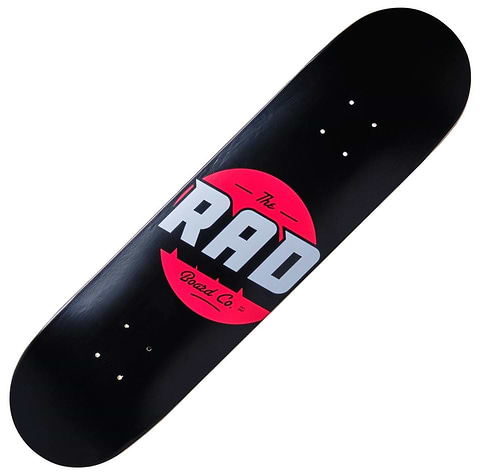
The deck is the flat board you stand on. Most are made from seven thin layers of maple wood pressed together, but some use alternative materials such as bamboo, resin, or carbon fibre for added strength and lighter weight.
Every deck has three key parts:
- Nose – the front, often slightly longer or steeper than the tail.
- Wheelbase – the distance between the two sets of mounting holes for the trucks.
-
Tail – the back, usually a little shorter or mellower in angle than the nose.
Most modern skateboards are popsicle-shaped (symmetrical with rounded ends), but wider “old school” shapes and cruisers are also popular.
Choosing the Right Deck Width
Width is the single most important factor when picking a skateboard deck. Too narrow and you’ll feel unstable; too wide and tricks become harder.
Here’s a general guide:
| Deck Width | Best For | Typical Age/Height | Shoe Size |
|---|---|---|---|
| 6.5" – 7.25" | Young kids | Under 4’4” (132cm) | UK 3 or smaller |
| 7.3" – 7.5" | Younger teens | 4’5” – 5’2” (134–157cm) | UK 4–6 |
| 7.5" – 8.0" | Street/technical skating | Over 5’3” (160cm) | UK 6–9 |
| 8.0" – 8.25" | Skateparks, rails, all-round use | Teens/adults | UK 7+ |
| 8.25"+ | Vert ramps, pools, cruising | Taller/heavier riders | UK 9+ |
Tip: If you’re unsure, start around 8.0". You can always move up or down once you get a feel for your riding style.
Deck Length and Wheelbase
Deck length usually sits between 31" and 32" for standard popsicle shapes. It’s less critical than width, but it’s linked to wheelbase – the distance between the skateboard trucks.
- Shorter wheelbase: quicker turns, more responsive.
-
Longer wheelbase: more stability, smoother for ramps and cruising.
For most beginners, standard sizing works fine, but as you progress you may notice a preference.
Shapes and Styles
The shape of your deck affects how it rides and what it’s best for.
- Popsicle: The standard, versatile shape for street and park skating.
- Old School / Pool: Wider nose or tail, more stable for bowls and ramps.
- Cruiser: Often shaped, sometimes with a kicktail, built for comfortable transport rather than tricks.
- Longboard: Longer, more stable, built for speed, carving, and downhill.
Understanding Concave
Concave is the curve across the width of the deck, helping you lock in your feet and control your board.
- Mellow concave: Flatter feel, more comfort for cruising; harder to flip.
- Medium concave: Balanced choice for most skaters.
- Steep concave: More responsive for flip tricks; suits technical skaters.
Construction and Materials
Most quality decks are made from 7-ply Canadian maple, pressed together in a mould for strength and shape consistency.
Other options include:
- Resin-laminated decks: lighter and stiffer.
- Carbon-fibre reinforced: adds strength without much extra weight.
-
Bamboo mixes: eco-friendly, with a flexier feel.
Avoid very cheap decks made from low-grade wood – they chip and lose shape quickly.
Matching Your Deck to Your Skating Style
- Street/technical skating: Narrower widths (7.5"–8.0") for easier flips.
- Park/transition: Mid-width (8.0"–8.25") for stability and versatility.
- Vert/pool: Wider (8.25"+) for control on big ramps.
- Cruising: Wider, shaped decks for comfort.
When to Replace Your Deck
Deck lifespan depends on how often and how hard you skate. Replace it if:
- The nose or tail is chipped or splitting.
- The deck has lost its “pop” (feels dead on tricks).
- There’s serious cracking or delamination.
Frequently Asked Questions
How do I choose the right skateboard deck for a beginner?
Start with a mid-width deck (around 8.0") which offers a balance of stability and manoeuvrability. Focus on comfort and control rather than the smallest details.
Does my shoe size matter when choosing a deck?
Yes. Larger shoe sizes generally need a wider deck for better foot placement and stability.
What’s the difference between popsicle and old school shapes?
Popsicle decks are symmetrical and versatile for tricks. Old school decks are wider with shaped noses and tails, better for pools, ramps, and cruising.
Is deck length important?
Not as much as width. Length affects wheelbase and turning radius, but most street and park decks are a similar length.
How long will my deck last?
A deck can last anywhere from a few months to a year depending on use, terrain, and how often you skate. Heavy trick skating will shorten its lifespan.
Does the graphic affect performance?
No – graphics are purely aesthetic. Pick one you like, but focus on shape, size, and construction for performance.


