
-

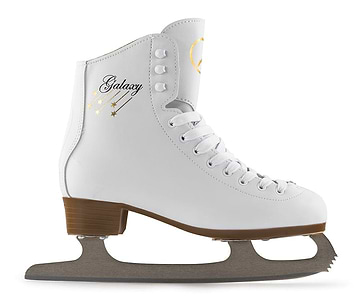 UK 10JUK 11JUK 12JUK 13JUK 1UK 2UK 3UK 4UK 5UK 6UK 7UK 8
SFR Galaxy 2 Figure Ice Skates - White
Save 5%Regular price From £49.95Regular priceUnit price / per£54.95Sale price From £49.95Sale -

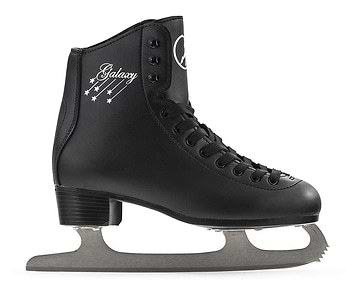 UK 13JUK 1UK 2UK 3UK 4UK 5UK 6UK 7UK 8UK 9UK 10SALE Save 9%
SFR Galaxy 2 Figure Ice Skates - Black
Save 5% SALERegular price From £49.95Regular priceUnit price / per£54.95Sale price From £49.95Sale -
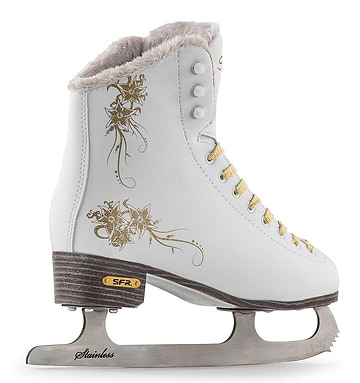
SFR Glitra Figure Ice Skates - White
Save 5%Regular price From £58.45Regular priceUnit price / per£64.95Sale price From £58.45Sale -
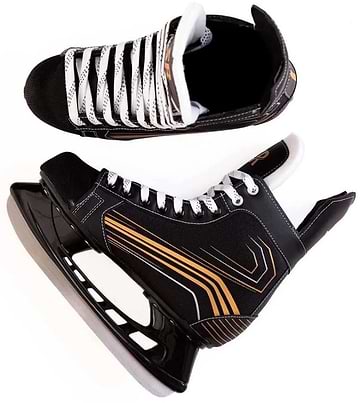
Supreme Ice Hockey Skates - Black / Gold
Regular price £69.95Regular priceUnit price / per£69.95Sale price £69.95 -
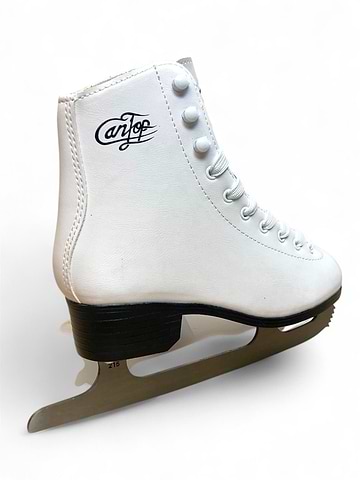
Supreme Cantop Junior Figure Ice Skates - White / Silver
Regular price £65.95Regular priceUnit price / per£65.95Sale price £65.95



Why buy Figure Ice Skates?
How stiff should figure skating boots be?
Beginners need moderately stiff boots that support ankles but allow forward flexion for basic strokes. Advanced skaters require very stiff boots to support landings from jumps. Boot stiffness ratings range from beginner (20–35) to advanced (70–90). Consult brand-specific charts to match stiffness to skill level.
Are blades included with all figure skates?
Beginner and intermediate skates usually come with attached blades. High-level skates often sell boots separately from blades to allow custom pairings. Choose blades based on your skating style, jump level and personal preference.
Do I need to sharpen figure skate blades?
Yes. New blades are typically pre-sharpened but may need fine-tuning. Regular sharpening keeps edges crisp for edge work and turns. Frequency depends on use—casual skaters may sharpen once a season, while serious skaters sharpen after every few sessions.
What size should I choose?
Figure skates should fit snugly with minimal heel lift and no toe curl. Many brands recommend ordering a half to full size down from your regular shoe size. Use brand-specific size charts and, when possible, try them on with skating socks.
What materials are used in figure skates?
Entry-level boots use synthetic leather or vinyl for easy maintenance. Advanced boots use high-quality leather or composite materials that mould to the foot with heat forming. Linings may include microfiber or moisture-wicking materials.
Are heat-mouldable figure skates beneficial?
Yes. Heat-mouldable boots conform to your foot shape after heating, improving comfort and reducing break-in time. Professional fitting is recommended to avoid damaging the boot.
How do I care for figure skates?
Dry blades after each use, cover them with soakers, and wipe boots with a soft cloth. Loosen laces when not in use to maintain boot shape. Store skates in a dry, ventilated area and avoid resting them on hard surfaces without guards.
How stiff should figure skating boots be?
How stiff should figure skating boots be?
Beginners need moderately stiff boots that support ankles but allow forward flexion for basic strokes. Advanced skaters require very stiff boots to support landings from jumps. Boot stiffness ratings range from beginner (20–35) to advanced (70–90). Consult brand-specific charts to match stiffness to skill level.
Are blades included with all figure skates?
Are blades included with all figure skates?
Beginner and intermediate skates usually come with attached blades. High-level skates often sell boots separately from blades to allow custom pairings. Choose blades based on your skating style, jump level and personal preference.
Do I need to sharpen figure skate blades?
Do I need to sharpen figure skate blades?
Yes. New blades are typically pre-sharpened but may need fine-tuning. Regular sharpening keeps edges crisp for edge work and turns. Frequency depends on use—casual skaters may sharpen once a season, while serious skaters sharpen after every few sessions.
What size should I choose?
What size should I choose?
Figure skates should fit snugly with minimal heel lift and no toe curl. Many brands recommend ordering a half to full size down from your regular shoe size. Use brand-specific size charts and, when possible, try them on with skating socks.
What materials are used in figure skates?
What materials are used in figure skates?
Entry-level boots use synthetic leather or vinyl for easy maintenance. Advanced boots use high-quality leather or composite materials that mould to the foot with heat forming. Linings may include microfiber or moisture-wicking materials.
Are heat-mouldable figure skates beneficial?
Are heat-mouldable figure skates beneficial?
Yes. Heat-mouldable boots conform to your foot shape after heating, improving comfort and reducing break-in time. Professional fitting is recommended to avoid damaging the boot.
How do I care for figure skates?
How do I care for figure skates?
Dry blades after each use, cover them with soakers, and wipe boots with a soft cloth. Loosen laces when not in use to maintain boot shape. Store skates in a dry, ventilated area and avoid resting them on hard surfaces without guards.


