
-
 SALE Save 6%
Skates.co.uk ABEC 9 Black Skate Bearings - 16 Pack
Save 6% SALERegular price £16.95Regular priceUnit price / per£17.95Sale price £16.95Sale -
Bones Super REDS Skateboard Bearings - 16 Pack
Save 10%Regular price £53.95Regular priceUnit price / per£59.95Sale price £53.95Sale -
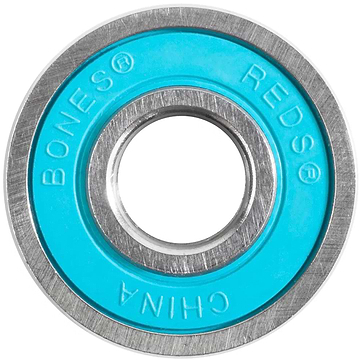
Bones REDS Skateboard Bearings - 16 Pack
Regular price £39.95Regular priceUnit price / per£39.95Sale price £39.95 -
Bones REDS Big Balls Skateboard Bearings - 16 Pack
Regular price £47.95Regular priceUnit price / per£47.95Sale price £47.95


Why buy Inline Skate Bearings?
How can I tell if my bearings are worn?
Spin the wheels by hand; if they make grinding noises, wobble or stop quickly, the bearings may be worn. Visually inspect for rust or dented shields. Excess play between the axle and bearing indicates that the inner race or axle may be worn.
Are low-maintenance bearings good for aggressive skating?
Aggressive skaters benefit from bearings with sealed or semi-sealed designs that keep out dirt and water. These bearings require less frequent cleaning and lubrication, which is ideal when skating at skateparks or street spots where dust and grit abound.
Do high-precision bearings increase speed?
Yes, but within limits. High-precision bearings reduce friction and roll longer. For speed skating, choosing bearings designed for high rotational speeds helps maintain momentum. However, factors like wheel hardness, frame alignment and skating technique also significantly influence speed.
What lube should I use for inline bearings?
Use a light oil for racing or fitness skating to reduce resistance. For aggressive skating, a medium-viscosity lubricant can help protect bearings from impacts and dirt. Avoid heavy grease in speed skating, as it impedes rotation.
Can I mix bearing types on a single skate?
Mixing different bearing brands or types is not recommended, as it may create uneven wheel spin and affect balance. If you need to replace a bearing in one wheel, use the same type and brand to maintain consistency.
How do micro (688) bearings differ?
Micro bearings have a smaller inner diameter (6 mm) and outer diameter than standard bearings, making them lighter. They spin faster, making them popular in speed skating. However, they’re less robust under side loads and require specialized spacers and axles.
Are stainless steel bearings an option?
Yes. Stainless steel bearings resist rust better than standard steel. They are heavier and often have slightly higher friction, but they’re ideal for wet environments or coastal areas where corrosion is a concern.
How can I tell if my bearings are worn?
How can I tell if my bearings are worn?
Spin the wheels by hand; if they make grinding noises, wobble or stop quickly, the bearings may be worn. Visually inspect for rust or dented shields. Excess play between the axle and bearing indicates that the inner race or axle may be worn.
Are low-maintenance bearings good for aggressive skating?
Are low-maintenance bearings good for aggressive skating?
Aggressive skaters benefit from bearings with sealed or semi-sealed designs that keep out dirt and water. These bearings require less frequent cleaning and lubrication, which is ideal when skating at skateparks or street spots where dust and grit abound.
Do high-precision bearings increase speed?
Do high-precision bearings increase speed?
Yes, but within limits. High-precision bearings reduce friction and roll longer. For speed skating, choosing bearings designed for high rotational speeds helps maintain momentum. However, factors like wheel hardness, frame alignment and skating technique also significantly influence speed.
What lube should I use for inline bearings?
What lube should I use for inline bearings?
Use a light oil for racing or fitness skating to reduce resistance. For aggressive skating, a medium-viscosity lubricant can help protect bearings from impacts and dirt. Avoid heavy grease in speed skating, as it impedes rotation.
Can I mix bearing types on a single skate?
Can I mix bearing types on a single skate?
Mixing different bearing brands or types is not recommended, as it may create uneven wheel spin and affect balance. If you need to replace a bearing in one wheel, use the same type and brand to maintain consistency.
How do micro (688) bearings differ?
How do micro (688) bearings differ?
Micro bearings have a smaller inner diameter (6 mm) and outer diameter than standard bearings, making them lighter. They spin faster, making them popular in speed skating. However, they’re less robust under side loads and require specialized spacers and axles.
Are stainless steel bearings an option?
Are stainless steel bearings an option?
Yes. Stainless steel bearings resist rust better than standard steel. They are heavier and often have slightly higher friction, but they’re ideal for wet environments or coastal areas where corrosion is a concern.


