
-
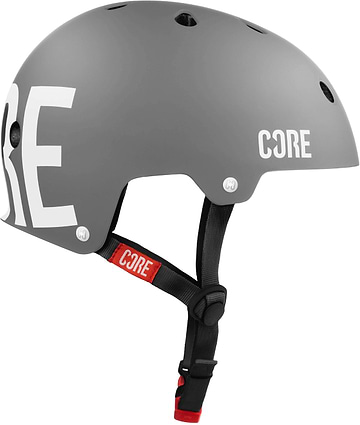
CORE Street Skate / Scooter Helmet - Grey
Regular price £40.00Regular priceUnit price / per£40.00Sale price £40.00 -
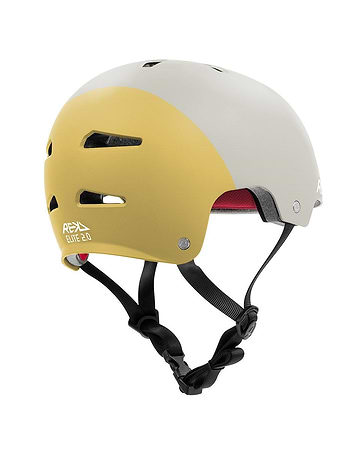
REKD Elite 2.0 Skate / Scooter Helmet - Grey / Yellow
Regular price £39.95Regular priceUnit price / per£39.95Sale price £39.95 -
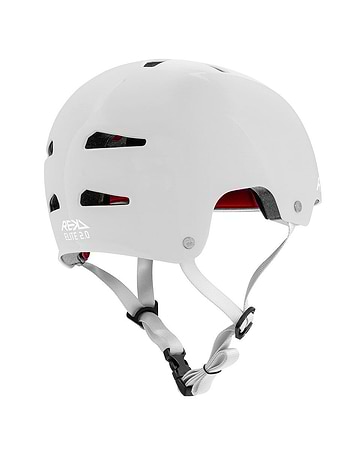
REKD Elite 2.0 Skate / Scooter Helmet - Gloss Silver
Regular price £39.95Regular priceUnit price / per£39.95Sale price £39.95 -
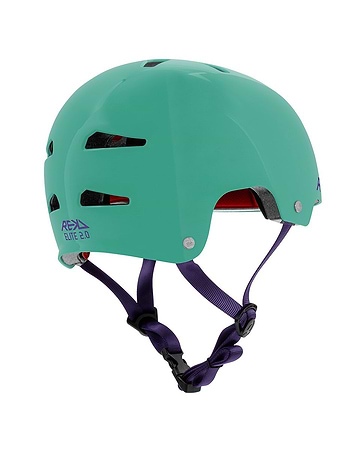
REKD Elite 2.0 Skate / Scooter Helmet - Gloss Teal
Regular price £39.95Regular priceUnit price / per£39.95Sale price £39.95 -

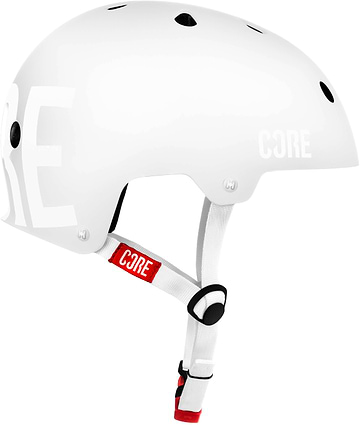 Extra Small / SmallSmall / MediumLarge / Extra Large
CORE Street Skate / Scooter Helmet - Stealth White
Regular price £40.00Regular priceUnit price / per£40.00Sale price £40.00 -
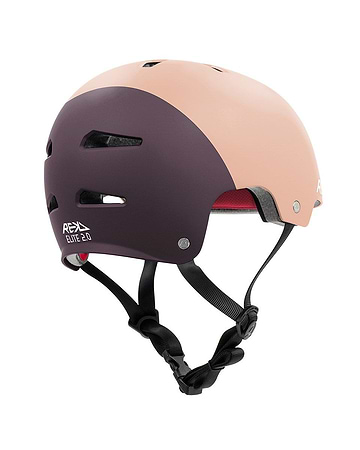
REKD Elite 2.0 Skate / Scooter Helmet - Peach / Purple
Regular price £39.95Regular priceUnit price / per£39.95Sale price £39.95 -

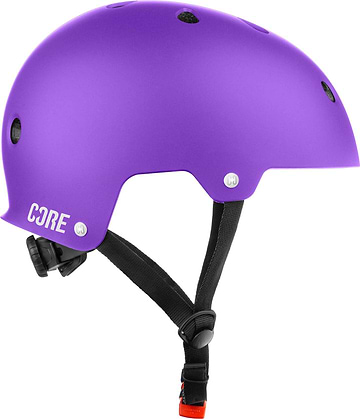 Extra Small / SmallSmall / MediumLarge / Extra Large
CORE Action Sports Skate / Scooter Helmet - Purple
Regular price £30.00Regular priceUnit price / per£30.00Sale price £30.00 -

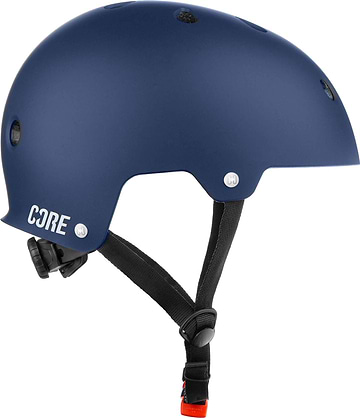 Extra Small / SmallSmall / MediumLarge / Extra Large
CORE Action Sports Skate / Scooter Helmet - Navy Blue
Regular price £30.00Regular priceUnit price / per£30.00Sale price £30.00 -

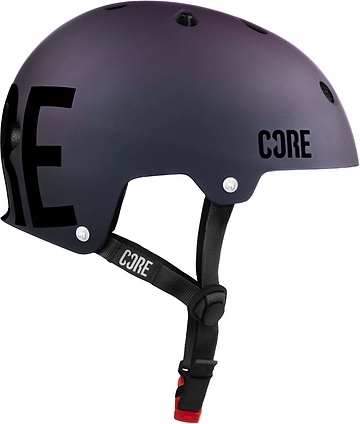 Extra Small / SmallSmall / MediumLarge / Extra Large
CORE Street Skate / Scooter Helmet - Neo / Black
Regular price £50.00Regular priceUnit price / per£50.00Sale price £50.00 -
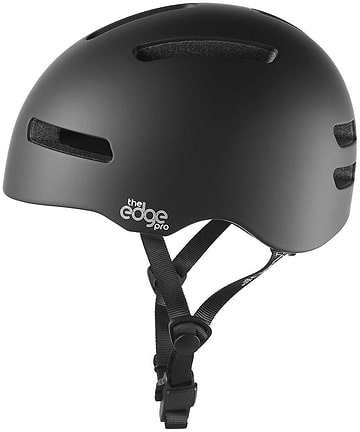
GAIN Protection The Edge Pro Skate / Scooter Helmet - Black
Save 8%Regular price £59.95Regular priceUnit price / per£64.95Sale price £59.95Sale -
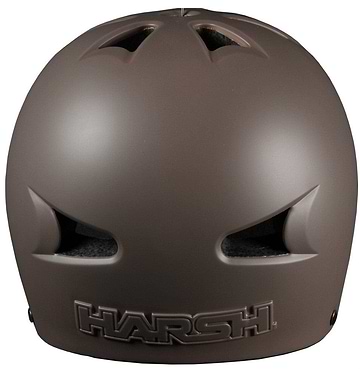
Harsh EPS Skate / Scooter Helmet - Bronze
Save 7%Regular price £26.95Regular priceUnit price / per£28.95Sale price £26.95Sale







Why buy Kids and Childrens Helmets?
How do I measure my child’s head?
Wrap a flexible tape measure around the widest part of their head, just above the eyebrows. Choose a helmet size that covers this measurement. Many helmets include additional pads or a dial-fit system to fine-tune the fit as your child grows.
Are there multiple sizes?
Yes. Kids’ helmets come in size ranges (e.g., 48–51 cm, 51–54 cm, 54–56 cm). Choose one that provides room to adjust without being too loose. If your child’s measurement is at the upper end of a size, consider sizing up.
Do kids’ helmets meet safety standards?
Look for certifications like CE EN 1078 or ASTM F1492. These standards ensure helmets absorb impact energy, remain secure upon impact and provide sufficient coverage. Avoid novelty helmets that lack certification.
How should a helmet fit?
It should sit level on the head, low on the forehead. The front edge should sit about two fingers above the eyebrows. Straps should form a V under the ears, with the chin strap snug but comfortable. A helmet should not move side-to-side or back-to-front when shaken gently.
How do you clean and maintain a helmet?
Remove liners and hand wash them. Wipe the shell with a damp cloth and mild soap. Allow all parts to air dry. Inspect the helmet regularly for cracks, warping or damage. Replace any helmet after a major impact.
Can kids decorate their helmets?
Many children enjoy decorating helmets with stickers or marker designs. Use sticker sheets or paint pens that won’t degrade the helmet’s material. Avoid drilling or attaching objects that could interfere with safety.
How often should helmets be replaced?
Replace helmets after a significant impact or every five years. Over time, the foam degrades and may not provide adequate protection. Always inspect for damage and fit issues as your child grows.
How do I measure my child’s head?
How do I measure my child’s head?
Wrap a flexible tape measure around the widest part of their head, just above the eyebrows. Choose a helmet size that covers this measurement. Many helmets include additional pads or a dial-fit system to fine-tune the fit as your child grows.
Are there multiple sizes?
Are there multiple sizes?
Yes. Kids’ helmets come in size ranges (e.g., 48–51 cm, 51–54 cm, 54–56 cm). Choose one that provides room to adjust without being too loose. If your child’s measurement is at the upper end of a size, consider sizing up.
Do kids’ helmets meet safety standards?
Do kids’ helmets meet safety standards?
Look for certifications like CE EN 1078 or ASTM F1492. These standards ensure helmets absorb impact energy, remain secure upon impact and provide sufficient coverage. Avoid novelty helmets that lack certification.
How should a helmet fit?
How should a helmet fit?
It should sit level on the head, low on the forehead. The front edge should sit about two fingers above the eyebrows. Straps should form a V under the ears, with the chin strap snug but comfortable. A helmet should not move side-to-side or back-to-front when shaken gently.
How do you clean and maintain a helmet?
How do you clean and maintain a helmet?
Remove liners and hand wash them. Wipe the shell with a damp cloth and mild soap. Allow all parts to air dry. Inspect the helmet regularly for cracks, warping or damage. Replace any helmet after a major impact.
Can kids decorate their helmets?
Can kids decorate their helmets?
Many children enjoy decorating helmets with stickers or marker designs. Use sticker sheets or paint pens that won’t degrade the helmet’s material. Avoid drilling or attaching objects that could interfere with safety.
How often should helmets be replaced?
How often should helmets be replaced?
Replace helmets after a significant impact or every five years. Over time, the foam degrades and may not provide adequate protection. Always inspect for damage and fit issues as your child grows.


