
-
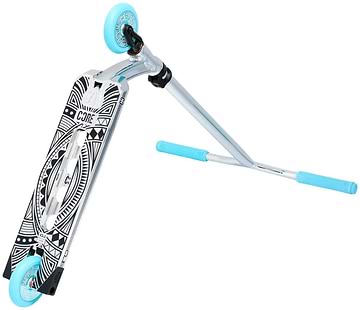
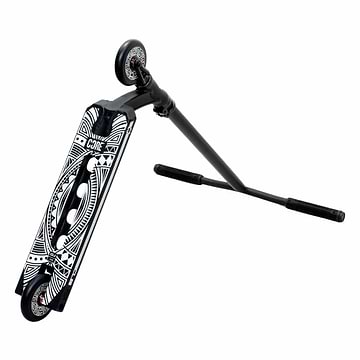
CORE CL1 Complete Stunt Scooter - Chrome / Teal
Save 3%Regular price £184.95Regular priceUnit price / per£189.95Sale price £184.95Sale -
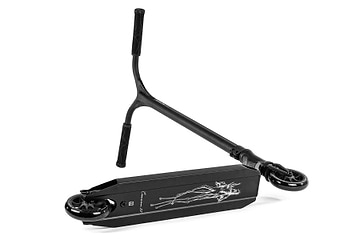
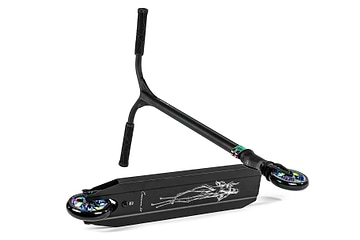
Ethic DTC Erawan V2 Complete Stunt Scooter - Black
Save 23% SALERegular price £169.95Regular priceUnit price / per£219.95Sale price £169.95Sale -
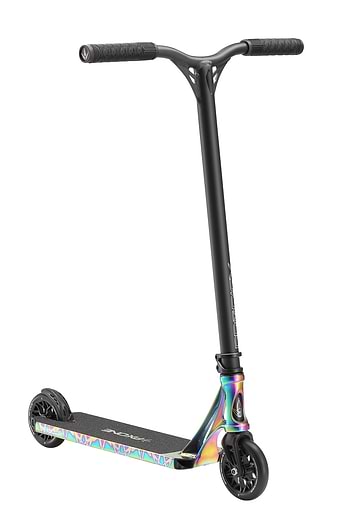
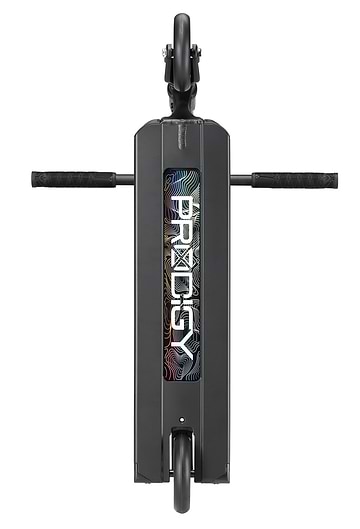
Blunt Envy Prodigy X ONE Complete Stunt Scooter - Oil Slick Neochrome
Save 13% NewRegular price £164.95Regular priceUnit price / per£189.90Sale price £164.95Sale -
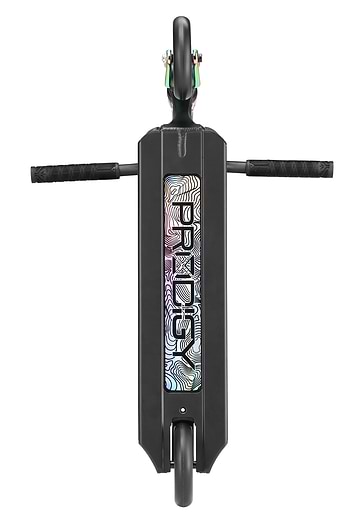
Blunt Envy Prodigy X ONE Complete Stunt Scooter - Black / Oil Slick Neochrome
Save 13% NewRegular price £164.95Regular priceUnit price / per£189.90Sale price £164.95Sale -
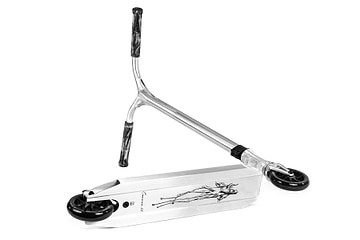
Ethic DTC Erawan V2 Complete Stunt Scooter - Brushed Silver
Save 9% SALERegular price £209.95Regular priceUnit price / per£229.95Sale price £209.95Sale -
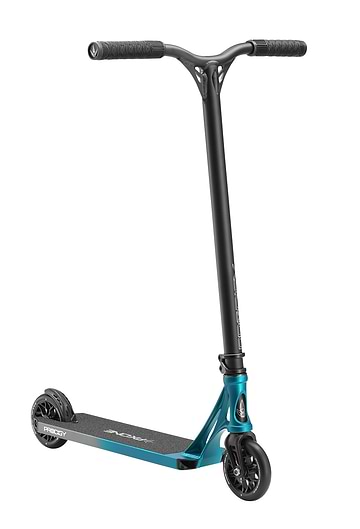
Blunt Envy Prodigy X ONE Complete Stunt Scooter - Teal Blue / Silver
Save 13% NewRegular price £164.95Regular priceUnit price / per£189.90Sale price £164.95Sale -
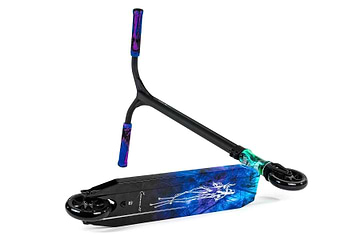
Ethic DTC Erawan V2 Complete Stunt Scooter - Blue Iridium
Save 13% SALERegular price £199.95Regular priceUnit price / per£229.95Sale price £199.95Sale -
Ethic DTC Erawan V2 Complete Stunt Scooter - Neochrome
Save 14% SALERegular price £188.95Regular priceUnit price / per£219.95Sale price £188.95Sale -
Blunt Envy Prodigy X ONE Street Edition Complete Stunt Scooter - Black
Save 10%Regular price £179.95Regular priceUnit price / per£199.90Sale price £179.95Sale -

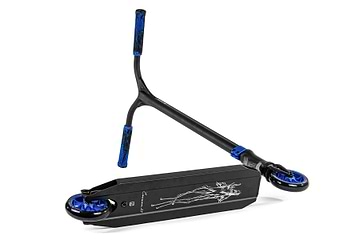 SALE Save 21%
Ethic DTC Erawan V2 Complete Stunt Scooter - Blue
Save 21% SALERegular price £172.95Regular priceUnit price / per£219.95Sale price £172.95Sale -
CORE CL1 Complete Stunt Scooter - Black
Save 3%Regular price £184.95Regular priceUnit price / per£189.95Sale price £184.95Sale -

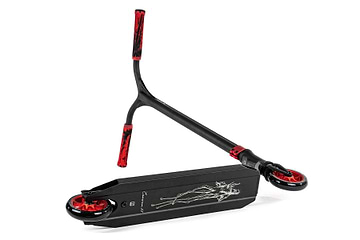 SALE Save 21%
Ethic DTC Erawan V2 Complete Stunt Scooter - Red
Save 21% SALERegular price £172.95Regular priceUnit price / per£219.95Sale price £172.95Sale -

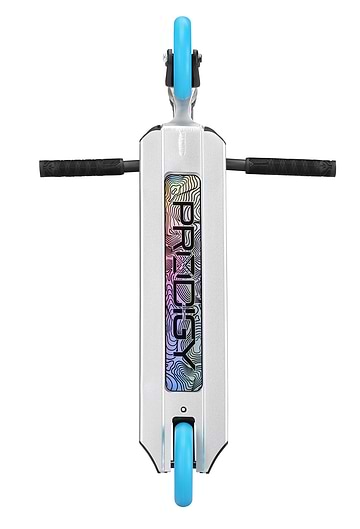 SALE Save 13%
Blunt Envy Prodigy X ONE Complete Stunt Scooter - Silver
Save 13% SALERegular price £164.95Regular priceUnit price / per£189.90Sale price £164.95Sale -
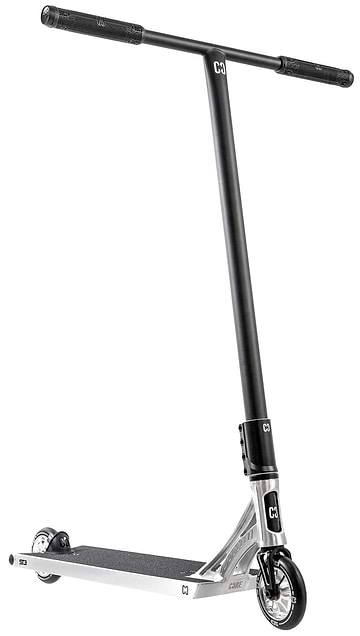
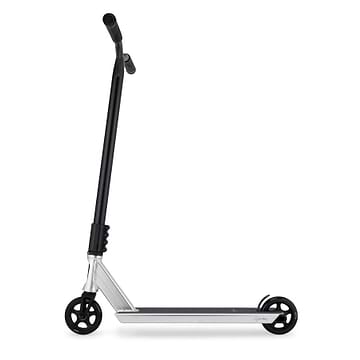
CORE ST3 Complete Stunt Scooter - Polished
Save 12%Regular price £214.95Regular priceUnit price / per£244.95Sale price £214.95Sale -

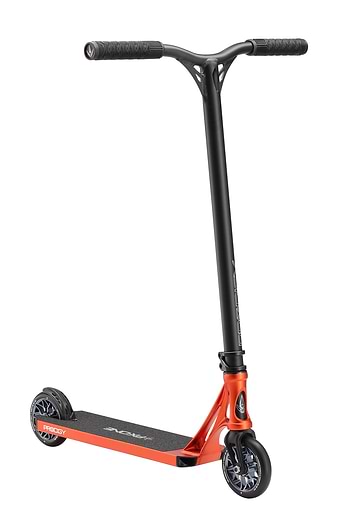 SALE Save 13%
Blunt Envy Prodigy X ONE Complete Stunt Scooter - Orange
Save 13% SALERegular price £164.95Regular priceUnit price / per£189.90Sale price £164.95Sale -
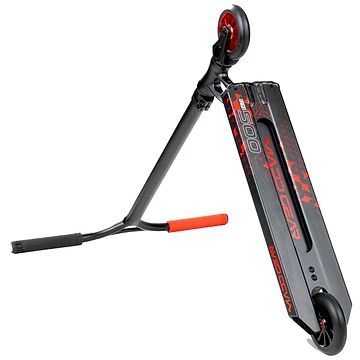
MGP VX Origin III 500 Complete Stunt Scooter - Purple Flip
Save 20%Regular price £159.95Regular priceUnit price / per£199.95Sale price £159.95Sale -
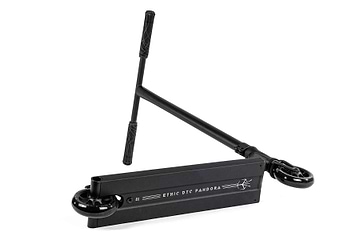
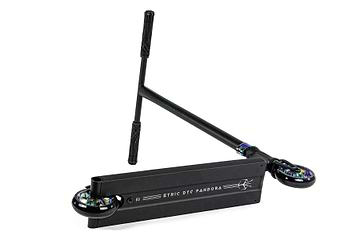
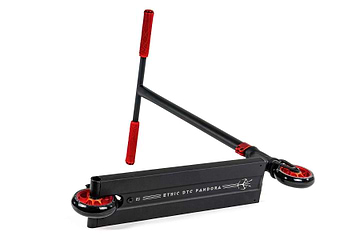
Ethic DTC Pandora Complete Stunt Scooter - Black
Save 14% SALERegular price £213.95Regular priceUnit price / per£249.95Sale price £213.95Sale -
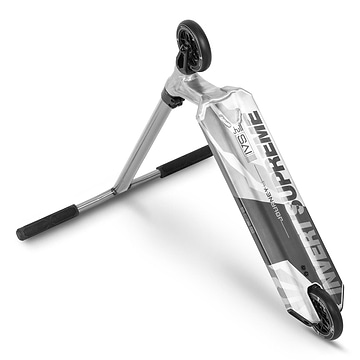
Invert Supreme Journey 4 Jamie Hull Stunt Scooter - Black / Raw
Save 25% SALERegular price £149.95Regular priceUnit price / per£199.95Sale price £149.95Sale -
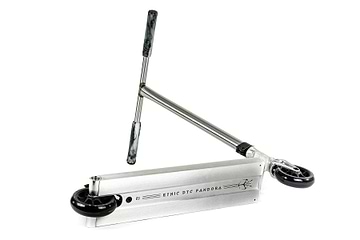
Ethic DTC Pandora Complete Stunt Scooter - Brushed Silver
Save 8% SALERegular price £229.95Sale price £229.95Unit price / perSale -
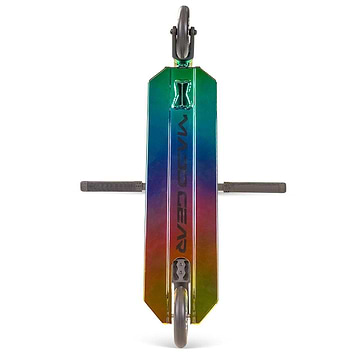
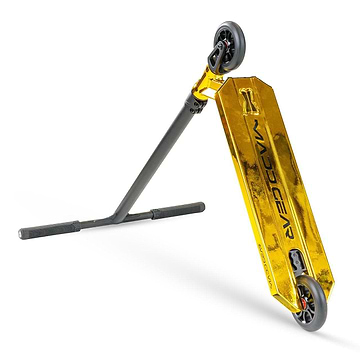
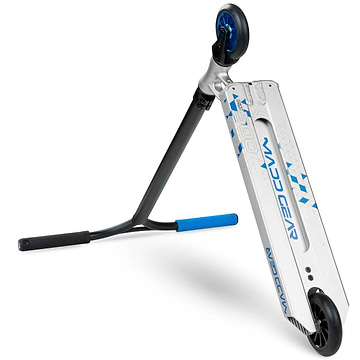
Madd Gear MG 5 Axion Complete Stunt Scooter - Black / Neochrome
Save 19%Regular price £129.95Regular priceUnit price / per£159.95Sale price £129.95Sale -
Sacrifice Flyte 115 V2 Complete Stunt Scooter - Neochrome
SALERegular price £179.95Regular priceUnit price / per£159.95Sale price £179.95 -
CORE SL3 Complete Stunt Scooter - Red / Black
Save 8%Regular price £224.95Regular priceUnit price / per£244.95Sale price £224.95Sale -
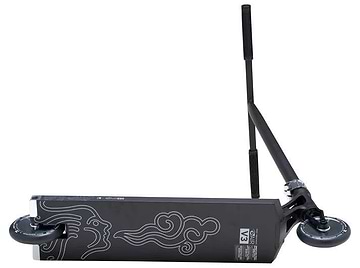
Root Industries Invictus V3 Complete Stunt Scooter - Black Mirror
Save 14%Regular price £189.95Regular priceUnit price / per£219.95Sale price £189.95Sale -
Root Industries Invictus V3 Complete Stunt Scooter - Burnt Blue
Save 14% SALERegular price £189.95Regular priceUnit price / per£219.95Sale price £189.95Sale -
Ethic DTC Pandora Complete Stunt Scooter - Neochrome
Save 8% SALERegular price £229.95Sale price £229.95Unit price / perSale -
Drone Element 'Saundezy' Signature Complete Stunt Scooter - Silver
Save 22% SALERegular price £144.95Regular priceUnit price / per£184.95Sale price £144.95Sale -
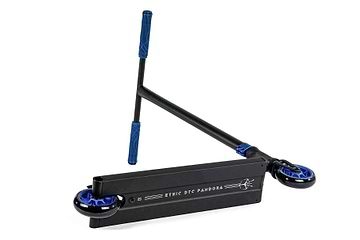
Ethic DTC Pandora Complete Stunt Scooter - Blue
Save 14% SALERegular price £213.95Regular priceUnit price / per£249.95Sale price £213.95Sale -
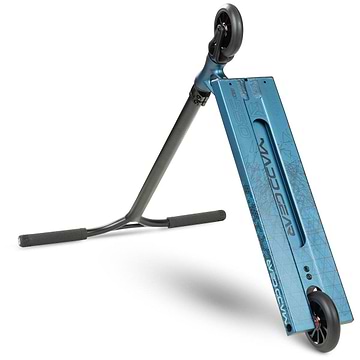
Madd Gear MG 6 Kinetic Complete Stunt Scooter - Neochrome / Black
Save 13%Regular price £164.95Regular priceUnit price / per£189.95Sale price £164.95Sale -
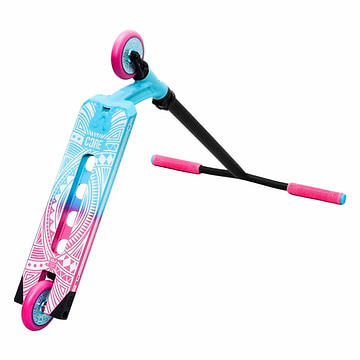
CORE CL1 Complete Stunt Scooter - Pink / Teal
Save 3%Regular price £184.95Regular priceUnit price / per£189.95Sale price £184.95Sale -
Root Industries AIR RS V3 Complete Stunt Scooter - Black
Save 5%Regular price £217.95Regular priceUnit price / per£229.95Sale price £217.95Sale -
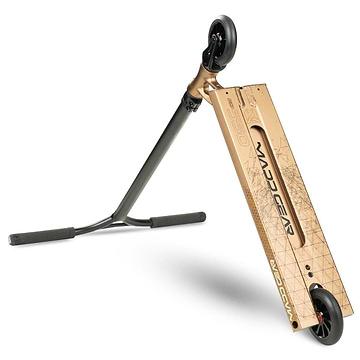
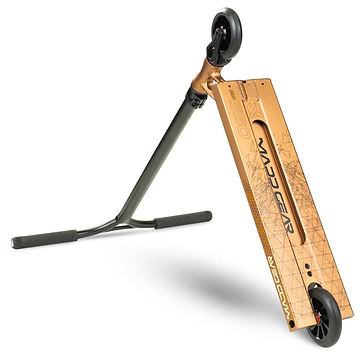
Madd Gear MG 6 Kinetic Complete Stunt Scooter - Gold / Black
Save 13%Regular price £164.95Regular priceUnit price / per£189.95Sale price £164.95Sale -
Ethic DTC Pandora Complete Stunt Scooter - Red
Save 14%Regular price £213.95Regular priceUnit price / per£249.95Sale price £213.95Sale -
Native Canopy Pro Complete Stunt Scooter - Raw
Save 9%Regular price From £249.95Regular priceUnit price / per£274.95Sale price From £249.95Sale -
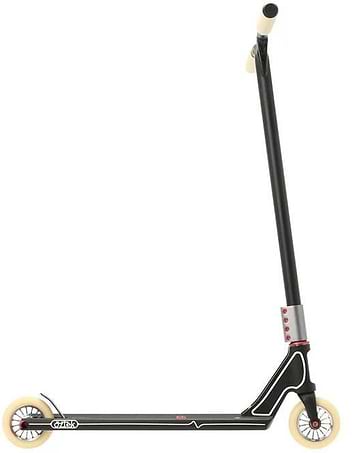
Aztek Siren Complete Street Stunt Scooter - Grey
Save 10%Regular price £214.95Regular priceUnit price / per£239.95Sale price £214.95Sale -
Aztek Fountain Complete Stunt Scooter - Grey
Save 7%Regular price £194.95Regular priceUnit price / per£209.95Sale price £194.95Sale -
MGP VX Origin IV 500 Complete Stunt Scooter - Deltoid
Save 5%Regular price £204.20Regular priceUnit price / per£214.95Sale price £204.20Sale -
Aztek Fountain Complete Stunt Scooter - Black
Save 7%Regular price £194.95Regular priceUnit price / per£209.95Sale price £194.95Sale -
MGP VX Origin IV 550 Complete Stunt Scooter - Denim
Regular price £224.95Regular priceUnit price / per£224.95Sale price £224.95 -
MGP VX Origin IV 550 Complete Stunt Scooter - Antique Brass
Save 5%Regular price £213.95Regular priceUnit price / per£224.95Sale price £213.95Sale -
MGP VX Origin IV 500 Complete Stunt Scooter - Pyriform
Save 5%Regular price £204.20Regular priceUnit price / per£214.95Sale price £204.20Sale -
MGP VX Origin IV 500 Complete Stunt Scooter - Scalene
Save 5%Regular price £204.20Regular priceUnit price / per£214.95Sale price £204.20Sale -
MGP VX Origin IV 550 Complete Stunt Scooter - Rust
Regular price £224.95Regular priceUnit price / per£224.95Sale price £224.95 -
MGP VX Origin IV 500 Complete Stunt Scooter - Trigon
Save 5%Regular price £204.20Regular priceUnit price / per£214.95Sale price £204.20Sale

















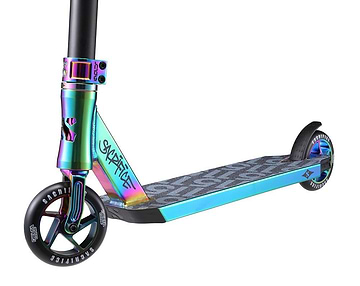

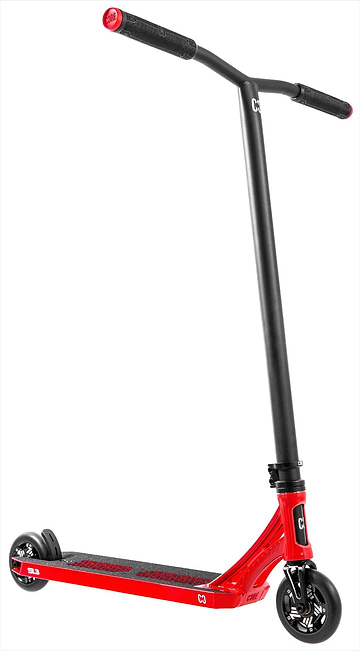

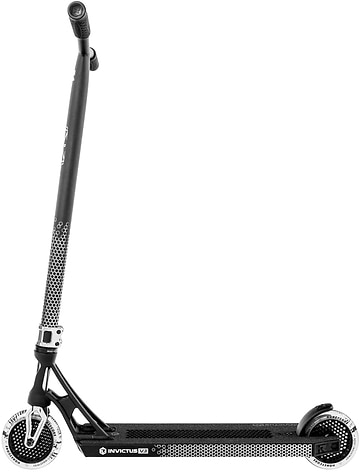

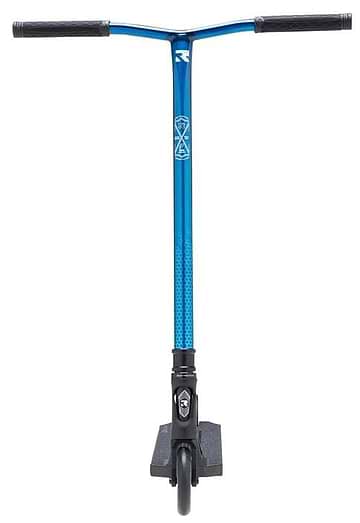



















Why buy Professional Stunt Scooters?
Who should ride professional scooters?
Intermediate to advanced riders who have mastered basic tricks and want to progress. Beginners usually start with entry‑level scooters because pro scooters can be heavier and more expensive.
What brands make pro scooters?
Apex, Blunt Envy, Lucky, Proto, Ethic and MGP all produce professional‑grade scooters. Each brand has unique features like weight distribution, headtube angles or proprietary deck designs.
How do I choose between park and street pro scooters?
Park scooters favour lighter decks and narrower profiles for aerial tricks, while street scooters use wider decks, boxed ends and taller bars for grinding and manuals. Select based on the terrain you ride most often.
Why is SCS compression popular?
SCS provides a secure, wobble‑free connection and distributes clamping force evenly around the bar. It handles heavy landings better than IHC or HIC, though it adds weight and complexity.
Can I customise a professional scooter?
Yes. Riders frequently switch out wheels, bars, forks or decks to fine‑tune their setup. Just ensure that your parts match the same compression and diameter specifications.
How do I maintain a pro scooter?
Tighten bolts regularly, clean bearings and inspect your deck for cracks or stress fractures. Rotate wheels to even out wear and replace parts when they show signs of damage.
Are pro scooters worth the price?
For serious riders, yes. Their high‑end components provide improved durability, weight savings and performance, leading to a better riding experience. However, casual riders may not need such advanced equipment.
Who should ride professional scooters?
Who should ride professional scooters?
Intermediate to advanced riders who have mastered basic tricks and want to progress. Beginners usually start with entry‑level scooters because pro scooters can be heavier and more expensive.
What brands make pro scooters?
What brands make pro scooters?
Apex, Blunt Envy, Lucky, Proto, Ethic and MGP all produce professional‑grade scooters. Each brand has unique features like weight distribution, headtube angles or proprietary deck designs.
How do I choose between park and street pro scooters?
How do I choose between park and street pro scooters?
Park scooters favour lighter decks and narrower profiles for aerial tricks, while street scooters use wider decks, boxed ends and taller bars for grinding and manuals. Select based on the terrain you ride most often.
Why is SCS compression popular?
Why is SCS compression popular?
SCS provides a secure, wobble‑free connection and distributes clamping force evenly around the bar. It handles heavy landings better than IHC or HIC, though it adds weight and complexity.
Can I customise a professional scooter?
Can I customise a professional scooter?
Yes. Riders frequently switch out wheels, bars, forks or decks to fine‑tune their setup. Just ensure that your parts match the same compression and diameter specifications.
How do I maintain a pro scooter?
How do I maintain a pro scooter?
Tighten bolts regularly, clean bearings and inspect your deck for cracks or stress fractures. Rotate wheels to even out wear and replace parts when they show signs of damage.
Are pro scooters worth the price?
Are pro scooters worth the price?
For serious riders, yes. Their high‑end components provide improved durability, weight savings and performance, leading to a better riding experience. However, casual riders may not need such advanced equipment.


