
-
Sims Street Snakes 78A Quad Roller Skate Wheels - Blue 62mm x 34mm
Regular price £27.49Regular priceUnit price / per£27.49Sale price £27.49 -
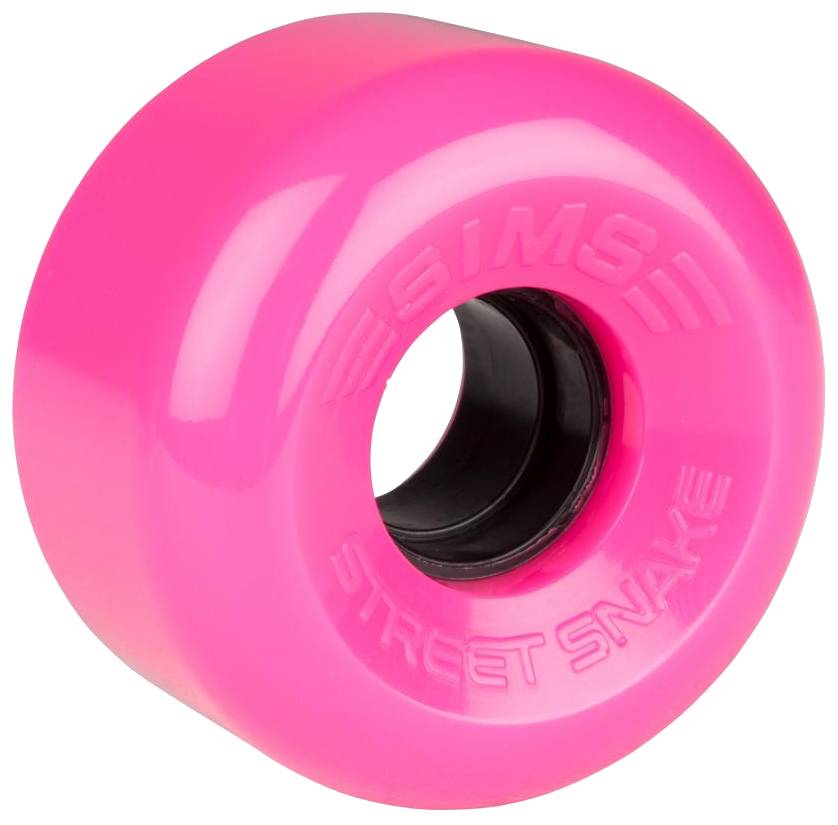
Sims Street Snakes 78A Quad Roller Skate Wheels - Pink 62mm x 34mm
Regular price £27.49Regular priceUnit price / per£27.49Sale price £27.49 -
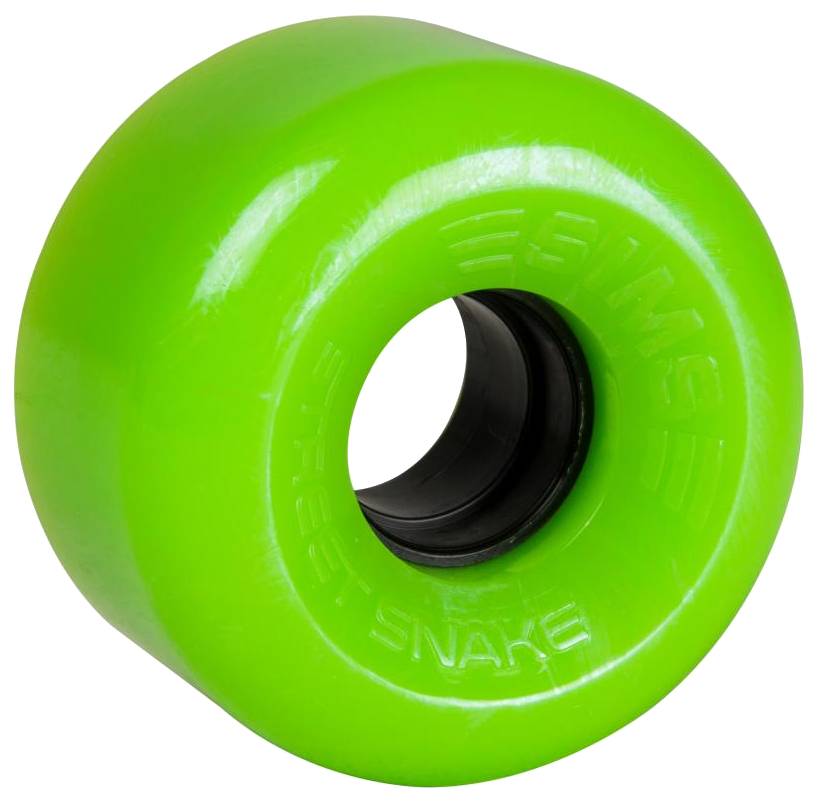
Sims Street Snakes 78A Quad Roller Skate Wheels - Green 62mm x 34mm
Regular price £27.49Regular priceUnit price / per£27.49Sale price £27.49 -
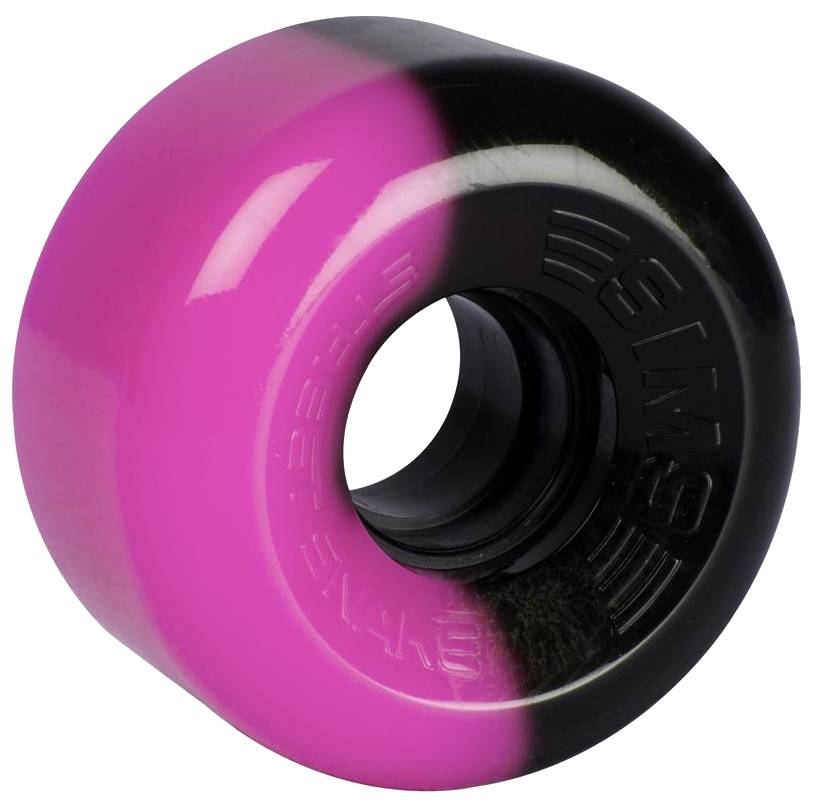
Sims Street Snakes 78A Quad Roller Skate Wheels - Pink / Black 62mm x 34mm
Regular price £32.49Regular priceUnit price / per£32.49Sale price £32.49 -
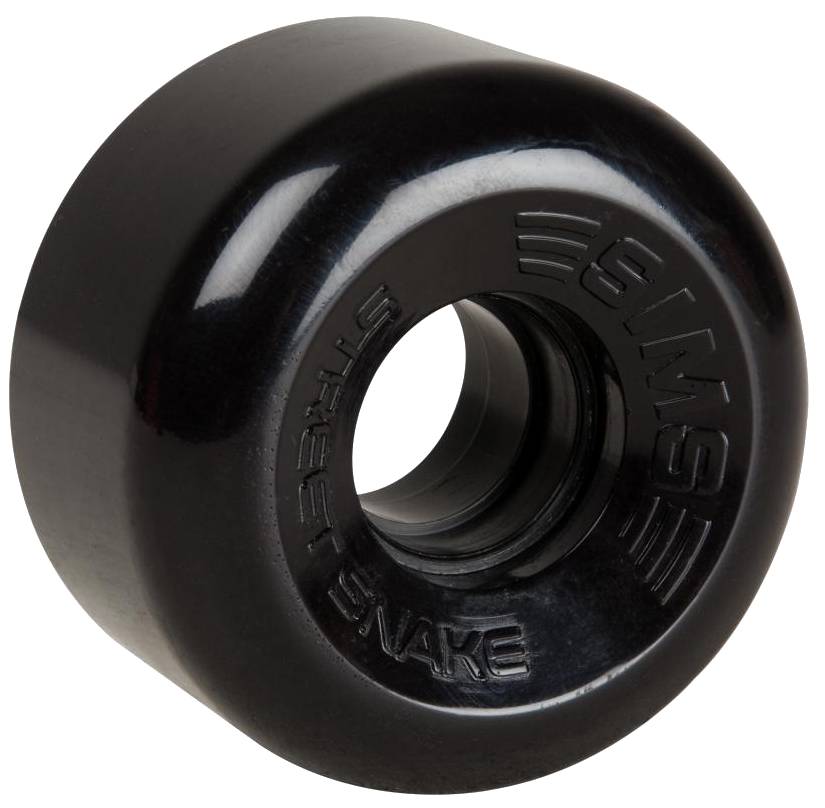
Sims Street Snakes 78A Quad Roller Skate Wheels - Black 62mm x 34mm
Regular price £27.49Regular priceUnit price / per£27.49Sale price £27.49 -
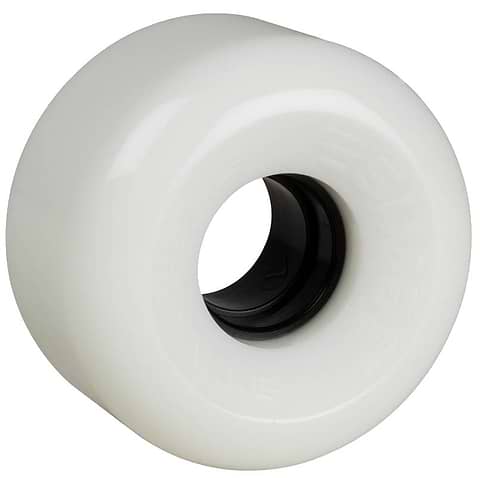
Sims Street Snakes 78A Quad Roller Skate Wheels - White 62mm x 34mm
Regular price £27.49Regular priceUnit price / per£27.49Sale price £27.49 -
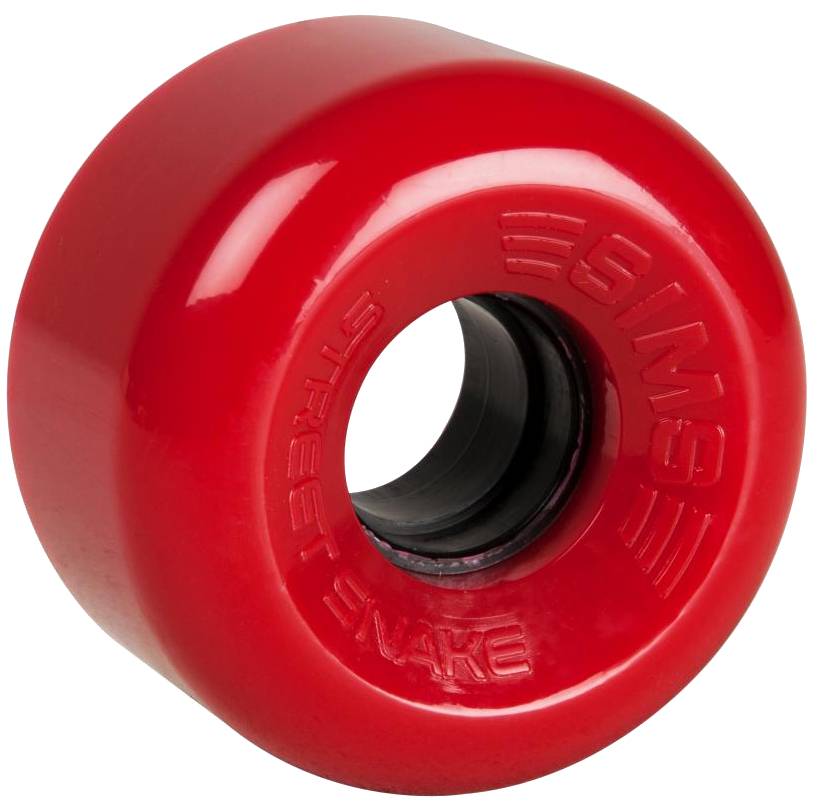
Sims Street Snakes 78A Quad Roller Skate Wheels - Red 62mm x 34mm
Regular price £27.49Regular priceUnit price / per£27.49Sale price £27.49 -
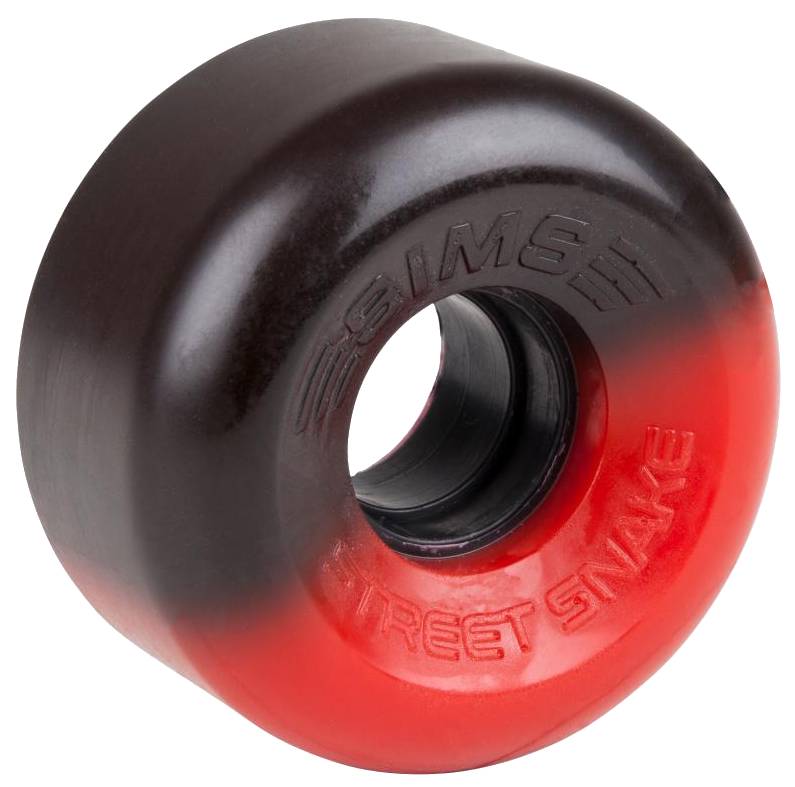
Sims Street Snakes 78A Quad Roller Skate Wheels - Red / Black 62mm x 34mm
Regular price £32.49Regular priceUnit price / per£32.49Sale price £32.49 -
Ventro Pro Turbo Quad 83A Roller Skate Wheels - Black 61.5mm x 35mm
Regular price £23.99Regular priceUnit price / per£23.99Sale price £23.99 -
Ventro Pro Turbo Quad 83A Roller Skate Wheels - Pink 61.5mm x 35mm
Regular price £23.99Regular priceUnit price / per£23.99Sale price £23.99 -
Ventro Pro Turbo Quad 83A Roller Skate Wheels - Red 61.5mm x 35mm
Regular price £23.99Regular priceUnit price / per£23.99Sale price £23.99 -
Ventro Pro Turbo Quad 83A Roller Skate Wheels - White 61.5mm x 35mm
Regular price £23.99Regular priceUnit price / per£23.99Sale price £23.99 -
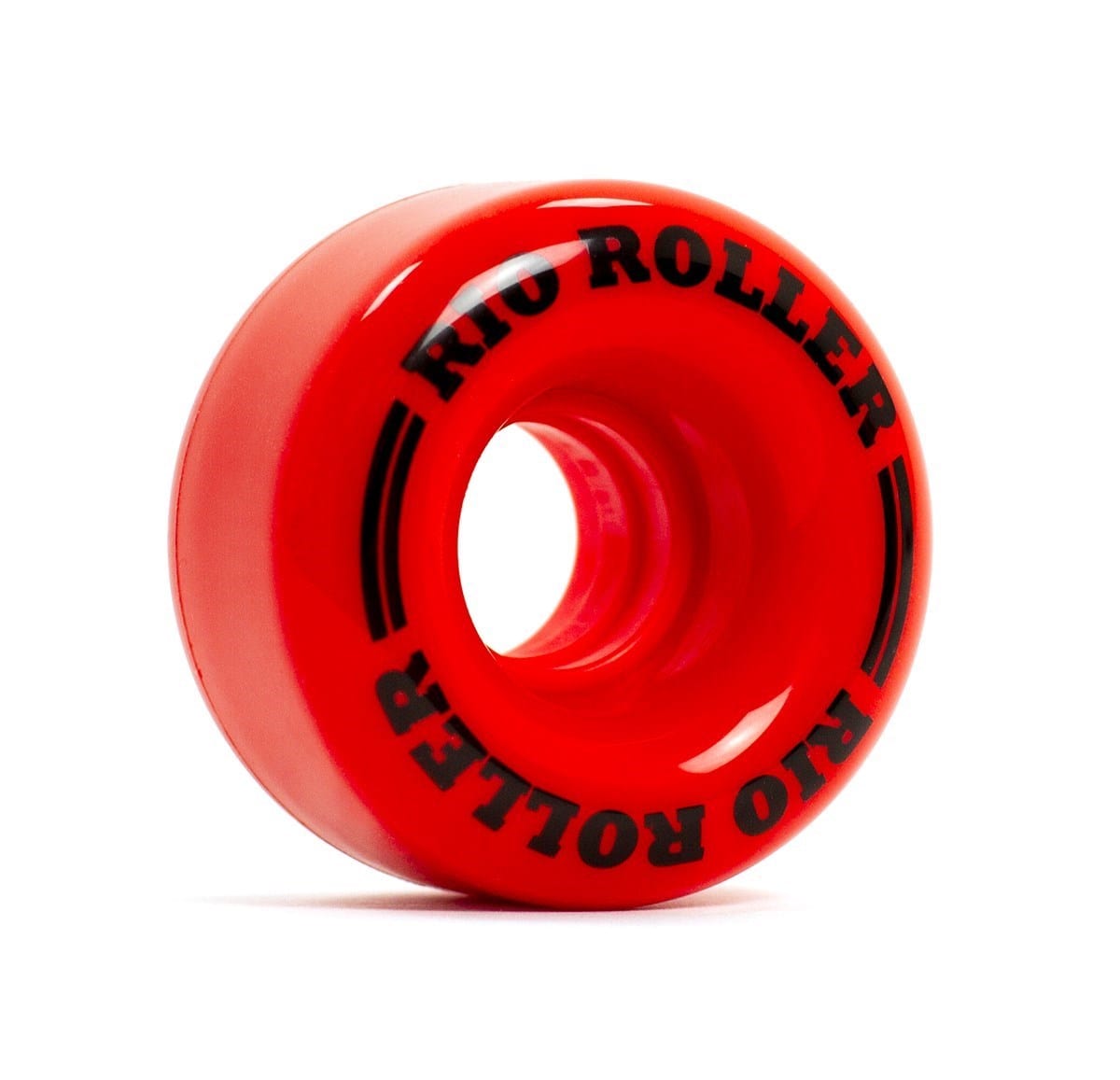
Rio Roller Coaster 82A Quad Roller Skates Wheels - Red 58mm x 33mm
Save 14%Regular price £11.95Regular priceUnit price / per£13.95Sale price £11.95Sale










Why buy Quad Roller Skate Wheels?
What is wheel hardness?
Measured on the durometer A scale, hardness determines grip and shock absorption. Soft wheels (78A–85A) provide grip and comfort on rough surfaces. Hard wheels (90A–101A) are faster and best suited for indoor skating or smoother outdoor surfaces.
How do width and profile come into play?
Wider wheels (40–44 mm) offer more stability and are used in speed or jam skating. Narrow wheels (30–38 mm) are lighter and more agile, benefiting dance and freestyle skating. A rounded profile enhances responsiveness, while a flat profile increases stability.
Are hybrid wheels a good option?
Hybrid wheels combine qualities of soft and hard wheels, typically around 88A, making them versatile for both indoor and outdoor surfaces. They’re great for skaters who switch between different environments.
Do wheels come with bearings?
Usually, wheels are sold without bearings so you can choose your preferred bearings. Installing new bearings requires pressing them into the wheel hubs, which can be done with a bearing press or by hand.
How often should I rotate my wheels?
Rotate wheels regularly (every few sessions) to ensure even wear. Swap wheels diagonally (front to back, left to right) so that edges wear down evenly and maintain balanced performance.
When should I replace wheels?
Replace them when they show signs of cracking, chunking (missing urethane) or when they wear down to the hub. Riding on worn wheels reduces grip and stability.
Can I mix wheel types?
Yes. Some skaters mix harder inner wheels with softer outer wheels for custom grip and speed. This approach is common in derby and artistic skating. Experiment to find what works best for your skating style.
What is wheel hardness?
What is wheel hardness?
Measured on the durometer A scale, hardness determines grip and shock absorption. Soft wheels (78A–85A) provide grip and comfort on rough surfaces. Hard wheels (90A–101A) are faster and best suited for indoor skating or smoother outdoor surfaces.
How do width and profile come into play?
How do width and profile come into play?
Wider wheels (40–44 mm) offer more stability and are used in speed or jam skating. Narrow wheels (30–38 mm) are lighter and more agile, benefiting dance and freestyle skating. A rounded profile enhances responsiveness, while a flat profile increases stability.
Are hybrid wheels a good option?
Are hybrid wheels a good option?
Hybrid wheels combine qualities of soft and hard wheels, typically around 88A, making them versatile for both indoor and outdoor surfaces. They’re great for skaters who switch between different environments.
Do wheels come with bearings?
Do wheels come with bearings?
Usually, wheels are sold without bearings so you can choose your preferred bearings. Installing new bearings requires pressing them into the wheel hubs, which can be done with a bearing press or by hand.
How often should I rotate my wheels?
How often should I rotate my wheels?
Rotate wheels regularly (every few sessions) to ensure even wear. Swap wheels diagonally (front to back, left to right) so that edges wear down evenly and maintain balanced performance.
When should I replace wheels?
When should I replace wheels?
Replace them when they show signs of cracking, chunking (missing urethane) or when they wear down to the hub. Riding on worn wheels reduces grip and stability.
Can I mix wheel types?
Can I mix wheel types?
Yes. Some skaters mix harder inner wheels with softer outer wheels for custom grip and speed. This approach is common in derby and artistic skating. Experiment to find what works best for your skating style.


