
-
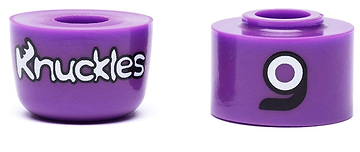
Orangatang Knuckles Purple Longboard Bushings - Medium 90A
Save 19%Regular price £12.95Regular priceUnit price / per£15.95Sale price £12.95Sale -
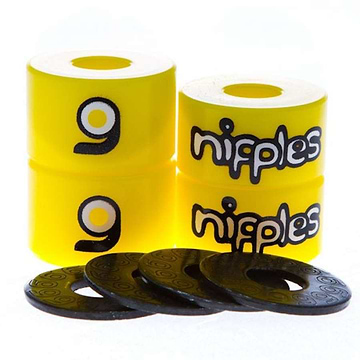
Orangatang Nipples Yellow Longboard Bushings - Hard 89A
Save 19%Regular price £12.95Regular priceUnit price / per£15.95Sale price £12.95Sale -
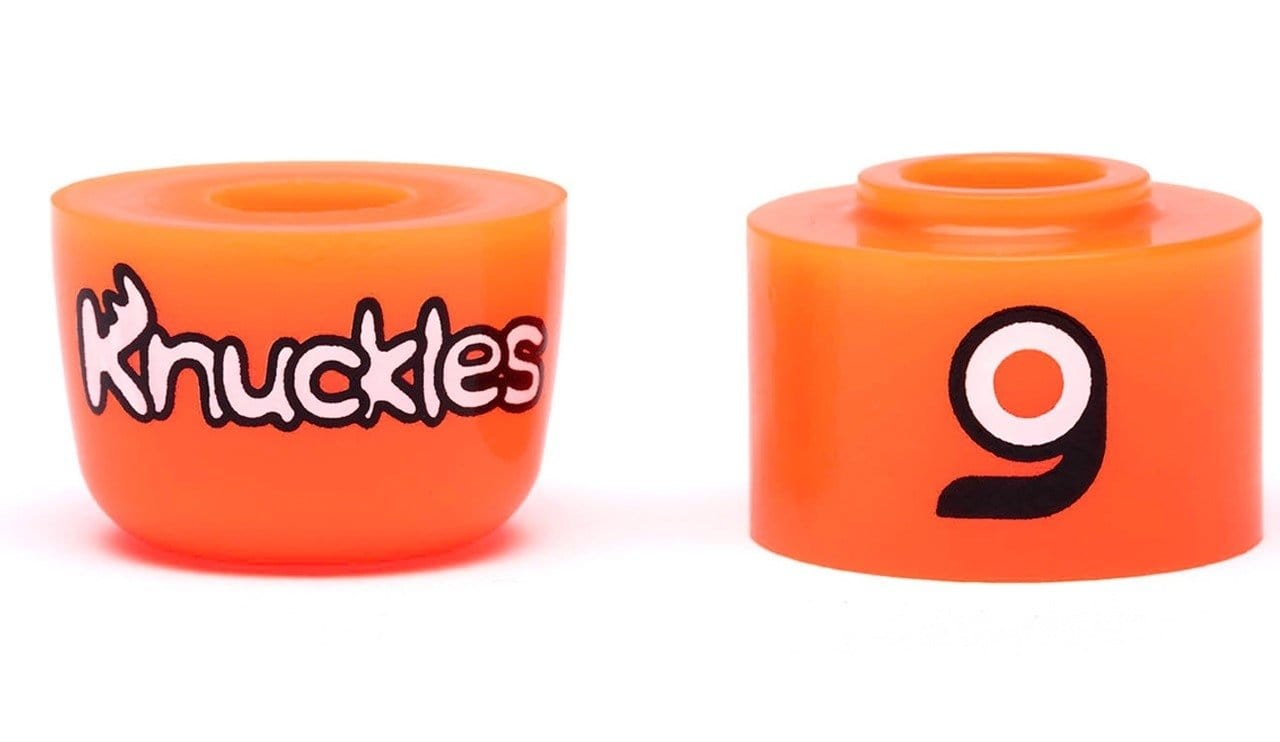
Orangatang Knuckles Orange Longboard Bushings - Soft 87A
Save 13%Regular price £13.95Regular priceUnit price / per£15.95Sale price £13.95Sale -
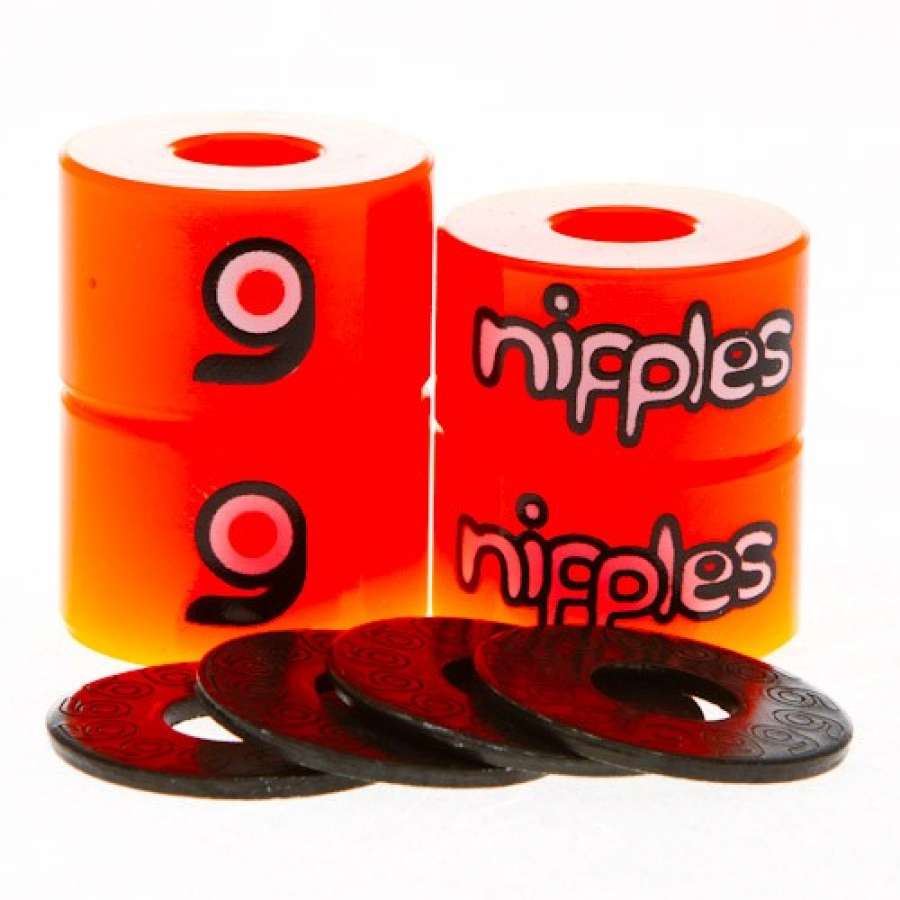
Orangatang Nipples Orange Longboard Bushings - Soft 85A
Save 19%Regular price £12.95Regular priceUnit price / per£15.95Sale price £12.95Sale




Why buy Longboard Bushings?
How does durometer affect turning?
Softer bushings (78A–88A) compress easily, making the board carve more with less effort. Harder bushings (90A–98A) offer stability at higher speeds and are preferred for downhill. Match durometer to your weight for optimal responsiveness—heavier riders can use higher durometer bushings without feeling stiff.
What is a bushing seat?
The bushing seat is the recess in the hanger where the bushing sits. A deep seat restricts bushing movement, creating stability. A shallow or open seat allows more movement and turns. Choosing bushings that fit your truck’s seat optimally ensures consistent behaviour.
Can I mix bushing shapes?
Yes. Many riders use a barrel bushing on the bottom (closest to the baseplate) for stability and a cone or stepped bushing on top for easier turning. Mixing shapes customizes ride feel.
What are wedge and cupped washers?
Washers sit above or below bushings. Cupped washers cradle the bushing, limiting its movement and increasing rebound. Flat washers allow more compression, leading to looser turning. Wedge washers have angled edges that align bushings in slanted seats.
How tight should the kingpin nut be?
Tighten until the bushings eliminate wobble but still allow desired turn range. Over-tightening can crush bushings and hamper performance. Adjust in small increments, checking how the board feels under weight.
When should I replace bushings?
Replace when they crack, develop permanent compression set or lose rebound. Frequent downhill or freeride sessions compress bushings faster than casual cruising. Inspect them regularly for wear.
Do bushings affect wheel bite?
Indirectly. Softer bushings allow deeper turns, increasing wheel bite risk. Adjust your bushing setup and consider riser pads or wheel wells to prevent wheels from contacting the deck during turns.
How does durometer affect turning?
How does durometer affect turning?
Softer bushings (78A–88A) compress easily, making the board carve more with less effort. Harder bushings (90A–98A) offer stability at higher speeds and are preferred for downhill. Match durometer to your weight for optimal responsiveness—heavier riders can use higher durometer bushings without feeling stiff.
What is a bushing seat?
What is a bushing seat?
The bushing seat is the recess in the hanger where the bushing sits. A deep seat restricts bushing movement, creating stability. A shallow or open seat allows more movement and turns. Choosing bushings that fit your truck’s seat optimally ensures consistent behaviour.
Can I mix bushing shapes?
Can I mix bushing shapes?
Yes. Many riders use a barrel bushing on the bottom (closest to the baseplate) for stability and a cone or stepped bushing on top for easier turning. Mixing shapes customizes ride feel.
What are wedge and cupped washers?
What are wedge and cupped washers?
Washers sit above or below bushings. Cupped washers cradle the bushing, limiting its movement and increasing rebound. Flat washers allow more compression, leading to looser turning. Wedge washers have angled edges that align bushings in slanted seats.
How tight should the kingpin nut be?
How tight should the kingpin nut be?
Tighten until the bushings eliminate wobble but still allow desired turn range. Over-tightening can crush bushings and hamper performance. Adjust in small increments, checking how the board feels under weight.
When should I replace bushings?
When should I replace bushings?
Replace when they crack, develop permanent compression set or lose rebound. Frequent downhill or freeride sessions compress bushings faster than casual cruising. Inspect them regularly for wear.
Do bushings affect wheel bite?
Do bushings affect wheel bite?
Indirectly. Softer bushings allow deeper turns, increasing wheel bite risk. Adjust your bushing setup and consider riser pads or wheel wells to prevent wheels from contacting the deck during turns.


