
-
Orangatang Stimulus 70mm 77A Longboard Wheels - Blue
Regular price £57.95Regular priceUnit price / per£57.95Sale price £57.95 -
Orangatang Stimulus 70mm 80A Longboard Wheels - Orange
Regular price £57.95Regular priceUnit price / per£57.95Sale price £57.95 -
Orangatang 4President 70mm 83A Longboard Wheels - Purple
Save 18%Regular price £44.95Regular priceUnit price / per£54.95Sale price £44.95Sale -
Orangatang Stimulus 70mm 86A Longboard Wheels - Yellow
Regular price £57.95Regular priceUnit price / per£57.95Sale price £57.95 -
Mindless Viper 65mm 82A Longboard Wheels - Black
Save 14%Regular price £29.95Regular priceUnit price / per£34.95Sale price £29.95Sale -
Orangatang Stimulus 70mm 83A Longboard Wheels - Purple
Regular price £57.95Regular priceUnit price / per£57.95Sale price £57.95 -
Mindless Viper 65mm 82A Longboard Wheels - Teal Green
Save 14%Regular price £29.95Regular priceUnit price / per£34.95Sale price £29.95Sale




Why buy Longboard Wheels?
What does wheel durometer mean?
Durometer indicates hardness on the Shore A scale. Softer wheels (78A–83A) grip well and absorb vibration, ideal for rough surfaces and carving. Harder wheels (86A–90A) slide easier and perform well on smooth surfaces for freeriding and tricks.
What is the contact patch?
The contact patch is the width of the wheel that touches the ground. Wider contact patches (50–60 mm) offer more grip and stability for downhill or cruising. Narrower patches (40–50 mm) break traction more easily, suiting sliding and freestyle.
How do lips affect performance?
Square lips provide grip and control, preferred for downhill and racing. Rounded lips break traction smoothly, allowing controlled slides for freeride. Beveled lips balance both, offering predictable drift and cornering.
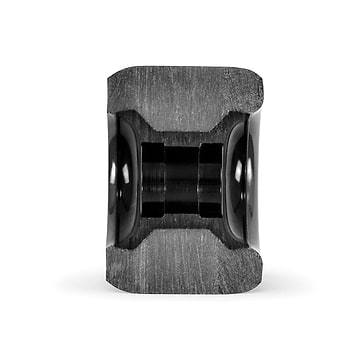
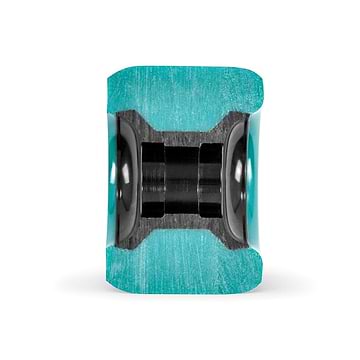
What is core placement?
Centerset cores distribute wear evenly and allow wheels to be flipped. Offset cores place the core closer to the inside edge, improving grip by adding leverage. Side-set cores create the easiest initiation of slides, suitable for freeriding.
Do I need to match wheel size to my trucks?
Ensure wheel diameter doesn’t cause wheel bite (contact with the deck during turns). Use riser pads if needed. Larger wheels may require higher trucks or angled risers to prevent rubbing.
Can wheels be swapped between boards?
Yes. As long as the wheel size, width and core placement suit the deck and trucks. However, different setups (e.g., drop-through vs top mount) might require adjustments like risers or truck angles.
How do I maintain longboard wheels?
Rotate wheels regularly to even out wear and avoid coning. Clean urethane with mild soap and water. Replace wheels when the urethane thins significantly or develops cracks.
What does wheel durometer mean?
What does wheel durometer mean?
Durometer indicates hardness on the Shore A scale. Softer wheels (78A–83A) grip well and absorb vibration, ideal for rough surfaces and carving. Harder wheels (86A–90A) slide easier and perform well on smooth surfaces for freeriding and tricks.
What is the contact patch?
What is the contact patch?
The contact patch is the width of the wheel that touches the ground. Wider contact patches (50–60 mm) offer more grip and stability for downhill or cruising. Narrower patches (40–50 mm) break traction more easily, suiting sliding and freestyle.
How do lips affect performance?
How do lips affect performance?
Square lips provide grip and control, preferred for downhill and racing. Rounded lips break traction smoothly, allowing controlled slides for freeride. Beveled lips balance both, offering predictable drift and cornering.
What is core placement?
What is core placement?
Centerset cores distribute wear evenly and allow wheels to be flipped. Offset cores place the core closer to the inside edge, improving grip by adding leverage. Side-set cores create the easiest initiation of slides, suitable for freeriding.
Do I need to match wheel size to my trucks?
Do I need to match wheel size to my trucks?
Ensure wheel diameter doesn’t cause wheel bite (contact with the deck during turns). Use riser pads if needed. Larger wheels may require higher trucks or angled risers to prevent rubbing.
Can wheels be swapped between boards?
Can wheels be swapped between boards?
Yes. As long as the wheel size, width and core placement suit the deck and trucks. However, different setups (e.g., drop-through vs top mount) might require adjustments like risers or truck angles.
How do I maintain longboard wheels?
How do I maintain longboard wheels?
Rotate wheels regularly to even out wear and avoid coning. Clean urethane with mild soap and water. Replace wheels when the urethane thins significantly or develops cracks.


